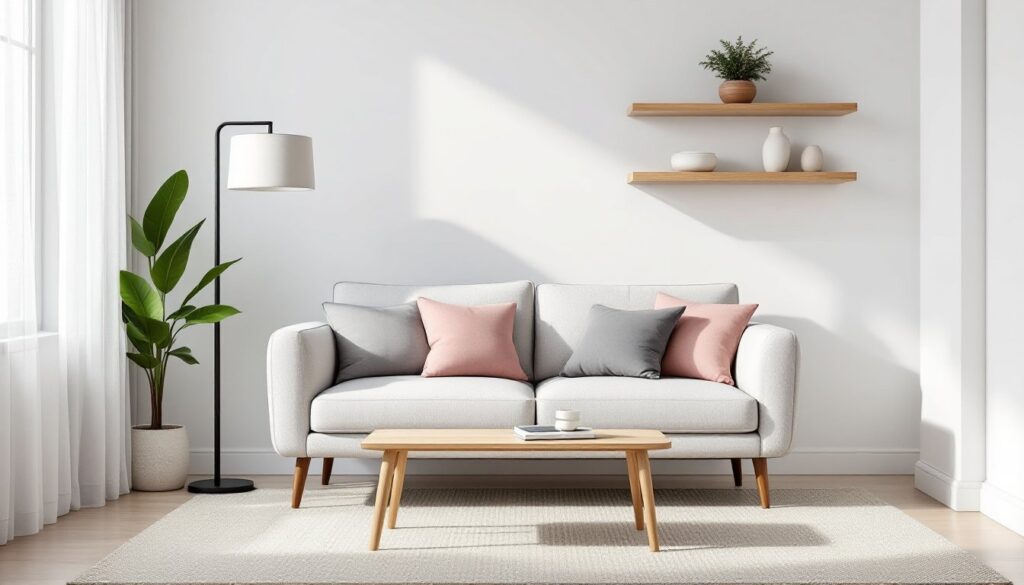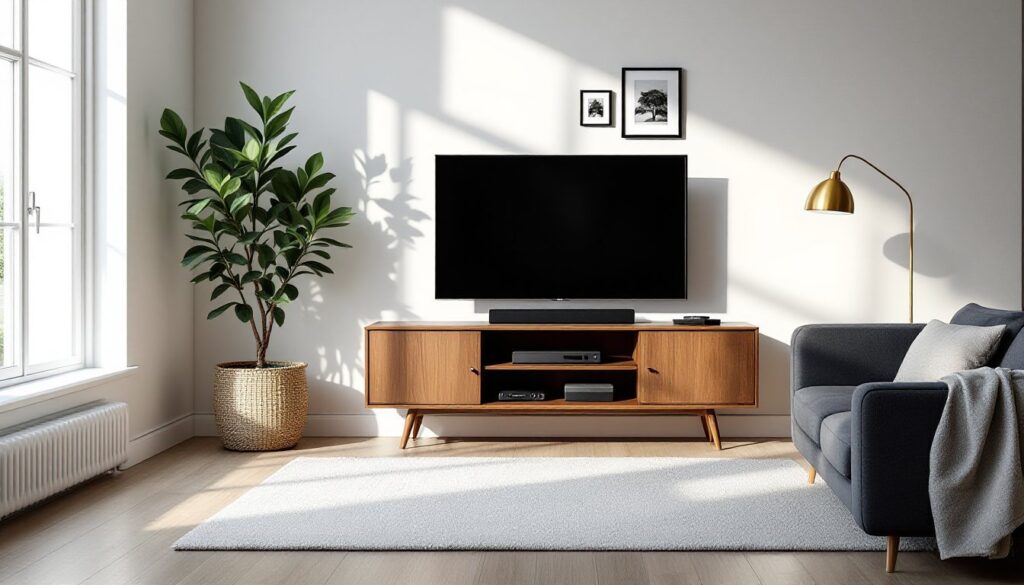
The right TV stand doesn’t just hold your screen, it anchors the entire living room. Too small and it looks lost beneath a 65-inch TV: too bulky and it devours floor space. Whether you’re working with 80 square feet or an open-concept great room, the stand sets the tone for seating arrangement, storage strategy, and overall flow. This guide walks through 15+ proven designs across five major styles, with build-it-yourself options and selection criteria tailored to real room layouts. No fluff, just solutions that work.
Table of Contents
ToggleKey Takeaways
- A well-proportioned TV stand for your living room should be 4–6 inches wider than your TV and position the screen at seated eye level (42–48 inches from the floor) for optimal viewing comfort.
- Modern TV stand ideas span five major styles—minimalist, floating, rustic, industrial, and multi-functional—each offering distinct advantages for different room sizes and design preferences.
- Floating TV stands maximize floor space and work best in small living rooms, but require secure mounting into wall studs using heavy-duty brackets rated for the combined TV and stand weight.
- Industrial TV stands with welded steel frames and open shelving can handle 150–200 lbs. and pair well with storage solutions like drawers, swivel bases, and cable organizers for media components.
- DIY TV stand projects are achievable for intermediate builders with basic tools, with options ranging from simple open-shelf designs ($75–$150) to pallet-wood rustic or pipe-leg industrial styles.
- Storage capacity, cable management, ventilation (especially for AV receivers), and material durability should guide your choice—solid wood or steel frames outlast particle board and require less maintenance.
Modern Minimalist TV Stands That Maximize Space
Minimalist stands strip away decorative molding, ornate hardware, and excess compartments. Expect clean lines, monochromatic finishes, and materials like powder-coated steel, tempered glass, or lacquered MDF. These units typically measure 16–18 inches deep, keeping the footprint tight.
Look for cable-management cutouts along the back panel and open shelving for media components. Ventilation matters, AVRs and gaming consoles generate heat, so avoid fully enclosed cabinets unless they include rear venting or active cooling.
Finish durability: High-gloss white and matte black show fingerprints and dust. If you have kids or pets, consider textured finishes or medium-toned wood veneers that hide smudges better.
Floating TV Stands for a Sleek, Contemporary Look
Floating stands mount directly to wall studs, leaving floor space open beneath. This design works well in small living rooms where vacuuming around furniture legs becomes a hassle. Most floating units cantilevered from the wall require two 16-inch on-center studs for secure attachment.
Installation requirements:
- Locate studs with a stud finder: drywall anchors alone won’t support a 50+ lb. unit plus TV weight.
- Use 3-inch lag bolts or heavy-duty wall-mount brackets rated for the combined load.
- Check that plumbing or electrical lines don’t run through the stud bay before drilling.
Floating stands typically include a shallow cabinet (8–12 inches deep) with soft-close hinges and integrated LED strip mounts. Many designers on Houzz pair floating units with a gallery wall or vertical slat paneling to balance the visual weight.
Rustic and Farmhouse TV Stand Designs
Farmhouse stands lean into reclaimed wood, barn-door hardware, and distressed finishes. Common materials include knotty pine, rough-sawn oak, or reclaimed pallet lumber. Expect visible grain, knots, and occasional checking (surface cracks) that add character but require sealing to prevent splinters.
Barn-door cabinet fronts slide on surface-mounted tracks, concealing media shelves or record storage. Track kits are widely available, but confirm the door width clears the opening by at least 1 inch on each side to prevent binding.
Finish options:
- Weathered gray stain mimics aged wood without harsh chemicals.
- Whitewash or limed finish lightens the grain while preserving texture.
- Clear polyurethane or tung oil protects the surface: oil-based poly adds amber warmth over time.
Rustic stands pair well with shiplap accent walls, wrought-iron shelf brackets, and Edison-bulb lighting. If the stand includes open shelving, line the back panel with 1/4-inch beadboard or wire mesh for a farmhouse touch. Just ensure cable routing remains accessible.
Industrial TV Stands with Storage Solutions
Industrial designs combine welded steel frames with solid wood or butcher-block tops. Black pipe legs, riveted corner brackets, and exposed hardware nod to factory aesthetics. These stands often feature multiple open shelves sized for vinyl collections, speaker systems, or decorative storage bins.
Load capacity: Steel-frame stands can handle 150–200 lbs. total when properly welded. If you’re evaluating a budget unit, check that corner joints are welded rather than threaded pipe fittings, which loosen over time.
Storage configurations vary:
- Three-tier open shelving (most common): Bottom shelf for receivers or subwoofers, middle for media players, top for the TV.
- Drawer + shelf hybrid: Shallow drawers (4–6 inches deep) hide remotes, cables, and manuals: open shelves handle taller components.
- Rolling casters: Lockable swivel casters turn the stand mobile for cleaning or rearranging.
Finish maintenance: Powder-coated steel resists rust, but raw steel or “blackened” finishes require periodic wax or oil to prevent oxidation. Wood tops benefit from a coat of water-based polyurethane or mineral oil if using butcher block.
Many interior design ideas showcase industrial stands alongside exposed brick, Edison-bulb pendants, and leather seating.
Multi-Functional TV Stands for Small Living Rooms
When square footage is tight, the TV stand must earn its footprint. Multi-functional designs integrate drop-down desks, pull-out trays, or fold-away dining surfaces alongside media storage.
Corner units exploit unused angles, fitting into 36–42 inch corner spans. Triangular or pentagonal footprints maximize screen visibility from multiple seating zones without blocking walkways.
Wall-unit systems combine a TV mount with surrounding cabinetry, bookcases, or display niches. Modular units let homeowners scale storage vertically instead of horizontally, critical in narrow living rooms. Confirm the wall can support the combined load: drywall alone won’t cut it. Anchor to studs or install a continuous cleat across the back.
Swivel bases rotate the TV 90–180 degrees, useful in open-concept layouts where the viewing angle shifts between the sofa and dining table. Ball-bearing swivel mechanisms outlast cheaper friction-pivot designs.
Storage hacks:
- Drawer organizers for charging cables, batteries, and remotes.
- Cable clips or velcro ties routed through rear grommets.
- Adjustable shelves to accommodate varying component heights (Blu-ray players vs. soundbars).
For tight spaces, measure the TV width and add 4–6 inches on each side for the stand width. Going narrower makes the setup look top-heavy: going wider wastes floor space.
DIY TV Stand Projects You Can Build This Weekend
A basic TV stand requires intermediate carpentry skills, a miter saw or circular saw, and a drill/driver. Budget $75–$150 for materials depending on wood species and hardware.
Simple open-shelf design (most beginner-friendly):
- Cut four 2×2 or 2×3 legs to 24 inches (actual dimension: 1.5×1.5 or 1.5×2.5 inches).
- Cut top and bottom shelves from 3/4-inch plywood or pine boards to desired length (match TV width plus 4–6 inches).
- Assemble with 2.5-inch pocket-hole screws (Kreg Jig speeds this up) or traditional butt joints reinforced with wood glue and 2-inch finish nails.
- Sand all edges with 120-grit, then 220-grit paper.
- Apply stain or paint: two coats of semi-gloss polyurethane protect high-traffic surfaces.
Pallet-wood rustic stand:
Reclaimed pallets offer free or low-cost lumber, but inspect for chemical treatment stamps (avoid MB-marked pallets, which contain methyl bromide). Disassemble with a reciprocating saw or pry bar, pull nails, then plane or sand rough surfaces.
Construct a simple box frame using pallet slats for the top, sides, and shelf. Leave gaps between slats for airflow. Finish with clear matte sealer to preserve the weathered look.
Pipe-leg industrial stand:
Pair a 1.5-inch thick butcher-block top (available pre-cut at home centers) with black iron pipe legs. Assemble T-fittings, flanges, and 12–18 inch pipe segments into H-frame legs. Secure flanges to the underside of the top with 1.25-inch wood screws. No welding required.
Safety notes: Wear safety glasses when cutting, a dust mask when sanding MDF or treated lumber, and hearing protection with power saws. Secure workpieces with clamps before cutting.
How to Choose the Right TV Stand for Your Living Room Layout
Matching the stand to your room layout prevents awkward sightlines, blocked pathways, and furniture that fights for dominance.
Measure first:
- TV width: Add 4–6 inches minimum for the stand width. A 55-inch TV (48.5 inches wide) needs at least a 52–54 inch stand.
- Viewing height: Center the screen at seated eye level, typically 42–48 inches from the floor. Standard stands run 20–30 inches tall: adjust with risers or wall mounts if needed.
- Clearance: Leave 2–3 inches behind the stand for cables and airflow.
Room layout scenarios:
- Rectangular room, TV on long wall: Use a wider stand (60–72 inches) to balance the wall expanse. Flank with bookcases or floor plants to fill visual gaps.
- Square room, TV on short wall: Keep the stand proportional (48–60 inches) to avoid overwhelming the space. Consider a corner unit if furniture arrangement is tight.
- Open-concept layout: A swivel stand or wall-mounted arm lets the TV serve multiple zones (kitchen island + sofa).
Storage needs: Count media components (cable box, gaming console, soundbar, receiver) and shelves required. Add one extra shelf for future devices. Enclosed cabinets hide clutter but need ventilation: open shelves simplify cable access.
Weight capacity: Confirm the stand supports your TV’s weight (check specs) plus component load. Particle-board stands sag over time: solid wood or steel frames last longer.
Style cohesion: Match the stand material to existing furniture. A mid-century modern sofa pairs with walnut or teak stands: leather sectionals complement industrial steel. Trends shift, but home decorating inspiration often emphasizes material consistency over matching finish colors exactly.
Budget tiers:
- Under $150: Particle board or laminate, assembly required, 1–2 year lifespan.
- $150–$400: Solid wood veneer or quality engineered wood, better hardware, 5+ years.
- $400+: Solid hardwood, steel, or custom-built, heirloom quality.
Don’t skip measuring your doorways and stairwells before ordering. A 72-inch stand won’t fit through a 30-inch door without disassembly.