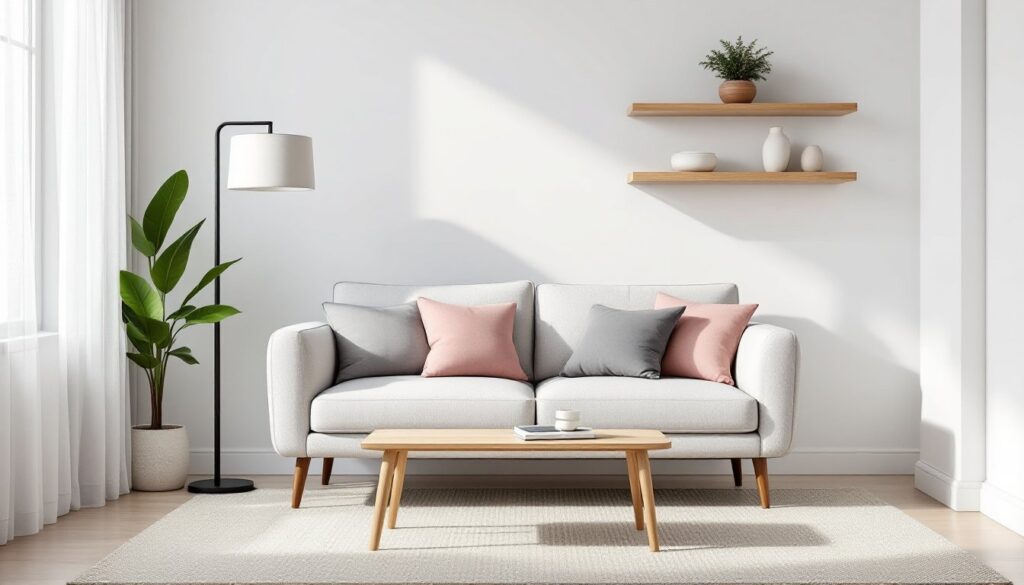
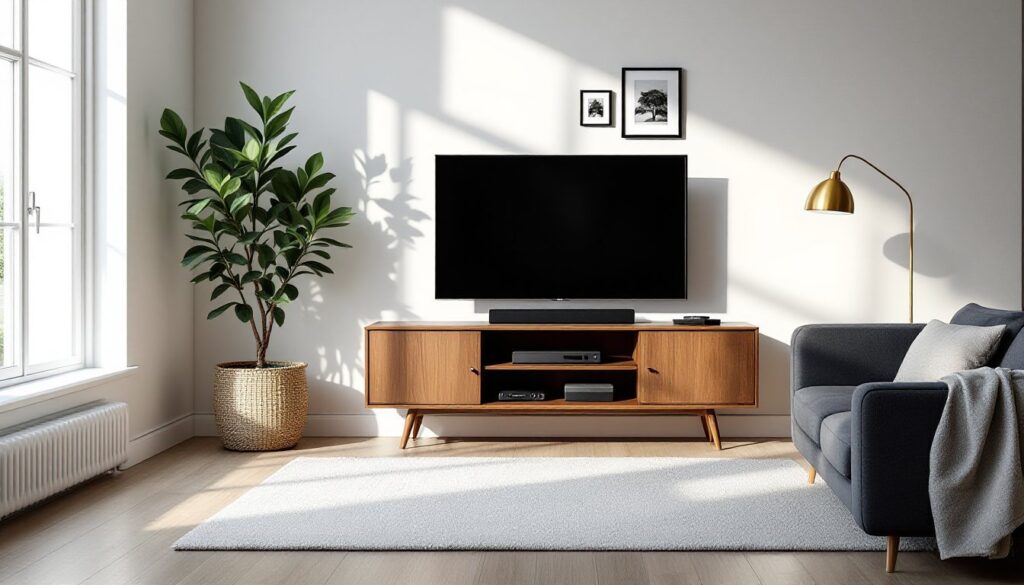
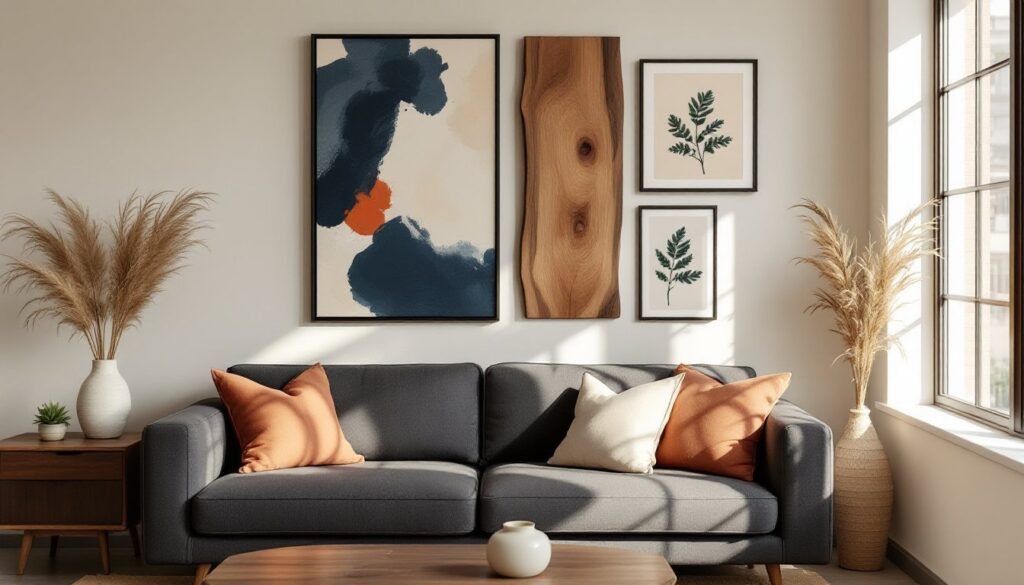
Traditional living rooms never go out of style, but they do evolve. While modern farmhouse and mid-century minimalism have dominated the last decade, 2026 is seeing a resurgence of classic design, think tailored upholstery, symmetrical layouts, and warm wood finishes that feel collected rather than catalog-bought. The appeal? Traditional spaces balance formality with livability, creating rooms that look finished but don’t require a museum-level maintenance routine. Whether someone’s furnishing a first home or refreshing a dated space, understanding the core elements of traditional design helps avoid the “showroom stiffness” trap while building a room with staying power.
Table of Contents
ToggleKey Takeaways
- Traditional living room ideas prioritize craftsmanship, symmetry, and curated textures over trendy pieces, creating spaces that balance formality with everyday livability.
- Invest in solid hardwood furniture with eight-way hand-tied springs and visible joinery details, as quality wood develops patina and outlasts cheaper alternatives by decades.
- Layer fabrics strategically—pair a bold patterned sofa with complementary solid chairs, use floor-length drapery hung 4–6 inches above windows, and anchor seating with appropriately sized wool or Persian rugs.
- Select warm neutrals and jewel tones that feel cohesive across walls, furniture, and accents, applying the 60-30-10 color rule for a sophisticated, balanced aesthetic.
- Balance symmetry and proportion by anchoring the room with a clear focal point (fireplace or statement mirror), floating furniture 12–18 inches from walls, and maintaining 30–36 inches of clearance between pieces for natural traffic flow.
- Accessorize with inherited or collected pieces—framed oil paintings, oversized mirrors, books, and candleholders—arranged by height and texture rather than crowded volume.
What Defines a Traditional Living Room Style?
Traditional design draws from 18th and 19th-century European interiors, English manor houses, French salons, and American Colonial homes. The style prioritizes craftsmanship, symmetry, and a curated mix of textures over trendy statement pieces.
Key characteristics include:
- Architectural details: Crown molding, wainscoting, coffered ceilings, and baseboards at least 5 inches tall. If a home lacks these features, trim kits and picture frame molding can add dimension without structural work.
- Furniture silhouettes: Rolled arms, turned legs, tufted backs, and skirts. Pieces tend to sit lower and deeper than modern counterparts, sofas typically measure 36-40 inches deep compared to 32-34 inches for contemporary styles.
- Layered lighting: A central chandelier or pendant anchors the room, flanked by table lamps (usually in pairs) and sconces. Overhead lighting alone reads as builder-grade.
- Formality with function: Traditional rooms often include a conversational seating arrangement, two sofas facing each other or a sofa with opposing chairs, rather than all furniture angled toward a TV.
The style isn’t about recreating a period room. It’s about using proportions, materials, and arrangements that have proven their longevity. A traditional living room should feel intentional, not accidental.
Choose Classic Furniture with Rich Wood Tones
Furniture anchors a traditional space, and wood quality matters more than quantity. Solid hardwood pieces in cherry, mahogany, walnut, or oak develop patina over time, veneer particleboard doesn’t.
Sofa and seating selection:
- Look for eight-way hand-tied springs in upholstered pieces. They’re pricier upfront but outlast sinuous (S-spring) or webbing systems by decades.
- Traditional sofas often feature tight backs (non-removable cushions) or semi-attached backs for a tailored look. Fully reversible cushions lean more casual.
- Rolled or English arms work in most traditional settings: track arms don’t.
Wood furniture prioritization:
- A quality coffee table in solid wood with dovetail joinery beats a trendy acrylic or metal piece in resale value and durability. Standard height is 16-18 inches, roughly two-thirds the length of the sofa it faces.
- Side tables or consoles should display visible craftsmanship, turned legs, inlay work, or carved details. These furniture design choices carry visual weight that grounds a room.
- Bookcases and display cabinets with glass-front doors add formality. For structural integrity, look for adjustable shelves on metal pins rather than plastic pegs.
Finish considerations:
Avoid overly distressed or whitewashed finishes: they read cottage or farmhouse. Traditional design favors medium to dark stains with a satin or semi-gloss sheen. If purchasing unfinished wood, a pre-stain wood conditioner ensures even color absorption, especially on softer woods like pine or maple.
Layer Textures and Fabrics for Warmth and Elegance
Traditional interiors rely on fabric layering, upholstery, drapery, rugs, and pillows, to add depth without visual clutter. The goal is richness, not fussiness.
Upholstery fabrics:
- Velvet, damask, brocade, and linen are traditional staples. For high-traffic homes, performance fabrics now mimic these textures with stain resistance rated above 50,000 double rubs (Martindale test).
- Patterns like stripes, toile, florals, and paisley work best when they share a color family. A single bold pattern on a sofa or chair, balanced by solids elsewhere, prevents chaos.
- Avoid overly matchy sets. A sofa in one fabric with chairs in a complementary pattern (same color, different scale) feels collected.
Window treatments:
Traditional rooms don’t do blinds alone. Floor-length drapery panels, ideally 1.5 to 2 times the window width for fullness, frame windows and soften hard edges. Hang rods 4-6 inches above the window frame and extend them 6-8 inches beyond each side to make windows appear larger.
- Lined panels improve insulation and drape quality. Interlining (a flannel layer between face fabric and lining) adds body but increases cost.
- Hardware matters: wood or metal rods in oil-rubbed bronze, brass, or black finish suit the style better than brushed nickel.
Rugs:
Wool or wool-blend area rugs in Oriental, Persian, or traditional floral patterns anchor seating areas. The rug should extend at least 6-12 inches beyond the front legs of all seated furniture. A 9×12 rug fits most standard living rooms: 8×10 often looks undersized unless the room is compact.
Pad the rug with a non-slip, 1/4-inch felt pad to prevent shifting and extend rug life.
Select a Sophisticated Color Palette
Traditional color palettes favor warm neutrals, jewel tones, and muted earth shades over stark whites or neon accents. The palette should feel cohesive across walls, furniture, and accents.
Wall color strategies:
- Warm whites and creams (with beige or yellow undertones) create a softer backdrop than cool grays. Test paint samples in both natural and artificial light: colors shift dramatically.
- Mid-tone neutrals like taupe, greige, or soft sage work well in rooms with ample natural light. In darker spaces, lighter walls prevent a cave effect.
- Accent walls aren’t traditional, but a deeper shade on the wall behind a fireplace or built-ins adds dimension without breaking the symmetrical flow.
Accent color integration:
Jewel tones, emerald, sapphire, burgundy, navy, appear in upholstery, pillows, and drapery. These colors have staying power compared to trendy pastels or brights.
Many interior design experts recommend the 60-30-10 rule: 60% dominant color (walls, large furniture), 30% secondary color (upholstery, rugs), 10% accent color (pillows, art, accessories).
Trim and molding:
Paint trim in a semi-gloss or satin finish, one to two shades lighter than walls. White trim works, but off-white or cream prevents the stark contrast that can feel too contemporary. If walls are already white, consider a subtle contrast with linen white or alabaster trim.
Incorporate Timeless Decor and Accessories
Accessories in traditional rooms should look inherited or collected, not bought in a single shopping trip. Curation beats volume.
Artwork and mirrors:
- Framed oil paintings, landscapes, or botanical prints in ornate frames suit traditional spaces. Groupings work best in odd numbers (3, 5, 7) or symmetrical pairs.
- Mirrors amplify light and space. An oversized mirror (36 inches or larger) above a mantel or console creates a focal point. Frame style matters, carved wood, gilded, or antique finishes align with the aesthetic.
Mantel and tabletop styling:
- Layer items by height and texture: a tall candlestick, a medium vase, a small decorative box. Leave negative space: overcrowding reads cluttered.
- Books, brass or crystal candleholders, ceramic bowls, and clocks are traditional staples. Real books beat decorative spines.
Lighting fixtures:
A chandelier with crystal, brass, or wrought iron details should hang 30-34 inches above a coffee table or 7 feet above the floor in open areas. Size it proportionally: add room length and width in feet, convert to inches for diameter (e.g., a 12×14 room = 26-inch chandelier).
Table lamps should match in pairs on either side of a sofa or flanking a fireplace. Aim for 26-32 inches tall (base plus shade), with shades wide enough to cover the harp and bulb when viewed at eye level.
Greenery:
Fresh or high-quality faux greenery in ceramic or porcelain planters adds life. Fiddle-leaf figs, palms, and ferns suit traditional rooms better than succulents or minimalist arrangements.
Balance Symmetry and Proportion in Your Layout
Traditional design leans on symmetry and scale to create visual calm. Rooms feel balanced, not randomly assembled.
Furniture arrangement principles:
- Anchor the room with a sofa facing the primary focal point (fireplace, large window, or built-ins). Avoid pushing all furniture against walls: floating pieces 12-18 inches from walls creates intimacy.
- Pair seating symmetrically when possible: two identical chairs flanking a fireplace, matching end tables beside a sofa. If the room layout doesn’t allow perfect symmetry, balance visual weight, a large chair on one side can offset two smaller ones on the other.
- Traffic flow requires 30-36 inches of clearance between furniture pieces. Tighter spacing works for formal rooms used occasionally: wider paths suit everyday living spaces.
Proportion checks:
- Coffee tables should sit 14-18 inches from the sofa edge, close enough to reach without stretching, far enough to avoid knee collisions.
- Side tables should align with or sit slightly below sofa arm height (typically 24-26 inches).
- Don’t let a single oversized piece dominate. A sectional sofa, for example, can overpower a traditional room that thrives on balanced groupings.
Focal point hierarchy:
Every traditional living room needs a clear focal point. If the architecture doesn’t provide one (fireplace, built-ins), create it with a large piece of art, a gallery wall, or a statement mirror. Many designers on platforms like HGTV emphasize that secondary focal points, like a beautiful console table or a window with elegant drapery, should support the primary one, not compete.
Avoid centering furniture around the TV unless it’s housed in a cabinet or framed as intentional rather than accidental.
Conclusion
Traditional living rooms succeed when they balance formality with livability, spaces that look deliberate but don’t feel off-limits. Investing in quality wood furniture, layering fabrics thoughtfully, and respecting symmetry creates a foundation that adapts as trends shift. The details, molding, lighting, proportional layout, separate a polished traditional room from one that feels dated or stiff. Done right, these spaces improve with age.