Square living rooms offer a hidden advantage: four equal sides and natural symmetry that makes furniture placement easier than most people think. Unlike narrow rectangles or odd L-shapes, a square floor plan gives homeowners multiple layout options without fighting against awkward proportions. The key isn’t cramming in more furniture, it’s using the geometry to create zones, maintain flow, and anchor the room around a single focal point. Whether someone’s working with 12×12 feet or 18×18 feet, the same core strategies apply.
Table of Contents
ToggleKey Takeaways
- Square living room layouts are easier to design than irregular shapes because equal wall lengths eliminate dead space and naturally support balanced furniture placement.
- Anchor your square living room layout around a single focal point—such as a fireplace, TV, or gallery wall—and arrange seating to face it for optimal flow and conversation zones.
- Use symmetrical arrangements with matching furniture pairs for a formal, traditional feel, or try asymmetrical layouts with varied pieces for modern appeal while maintaining function.
- Create multiple functional zones using sofas, console tables, and area rugs as natural dividers, but avoid over-zoning small rooms to prevent visual clutter.
- Maintain clear traffic paths of at least 36 inches for main walkways and 24-30 inches between seating and tables, and always measure doorways before purchasing furniture to ensure delivery fit.
Why Square Living Rooms Are Easier to Design Than You Think
Square rooms eliminate the guesswork that comes with uneven wall lengths. All four walls offer equal real estate, so there’s no “short wall” that limits furniture size or creates dead space. This balance makes it easier to center a sofa, float a seating area, or divide the room into functional zones without one side feeling cramped.
Another advantage: symmetry is built into the floor plan. Homeowners can mirror furniture placement on opposite walls, creating a calm, orderly vibe without needing an interior designer. Even asymmetrical layouts feel intentional in a square room because the proportions stay consistent.
The challenge isn’t the shape, it’s avoiding the trap of pushing everything against the walls. That creates a bowling alley effect with a dead zone in the center. Instead, use the square footage to pull furniture inward, define zones, and make the room feel layered and lived-in.
Start With a Focal Point to Anchor Your Layout
Every functional living room starts with a focal point, the feature that draws the eye and organizes furniture around it. In most cases, that’s a fireplace, a media console with a TV, or a large window with a view. Pick one. If the room has multiple features (fireplace and TV), choose the one that gets used most.
Once the focal point is set, arrange seating to face it. A sofa should sit directly opposite or at a 90-degree angle, with secondary seating (chairs, loveseats) filling in the sides. This creates a natural conversation zone and keeps sightlines clear.
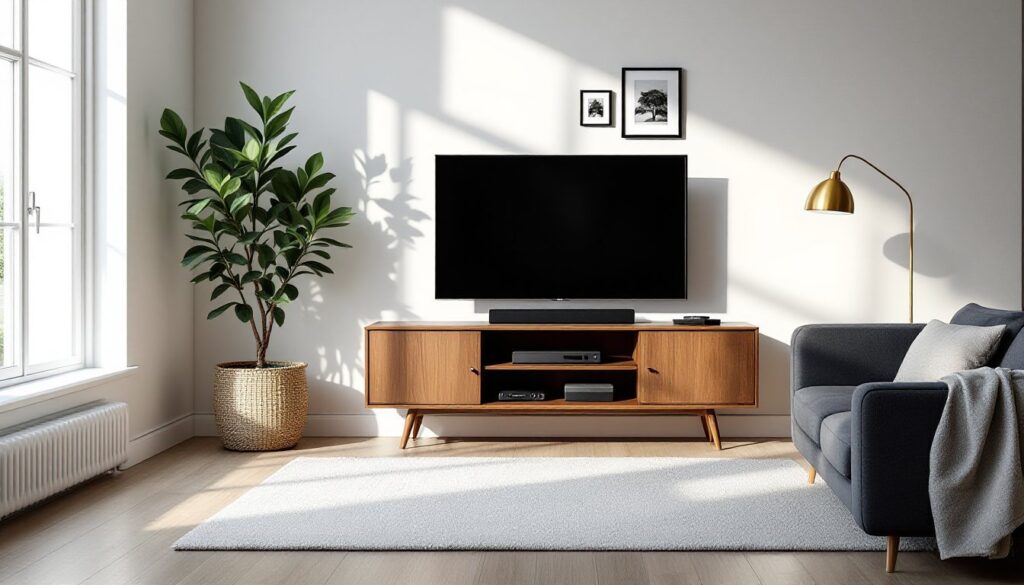
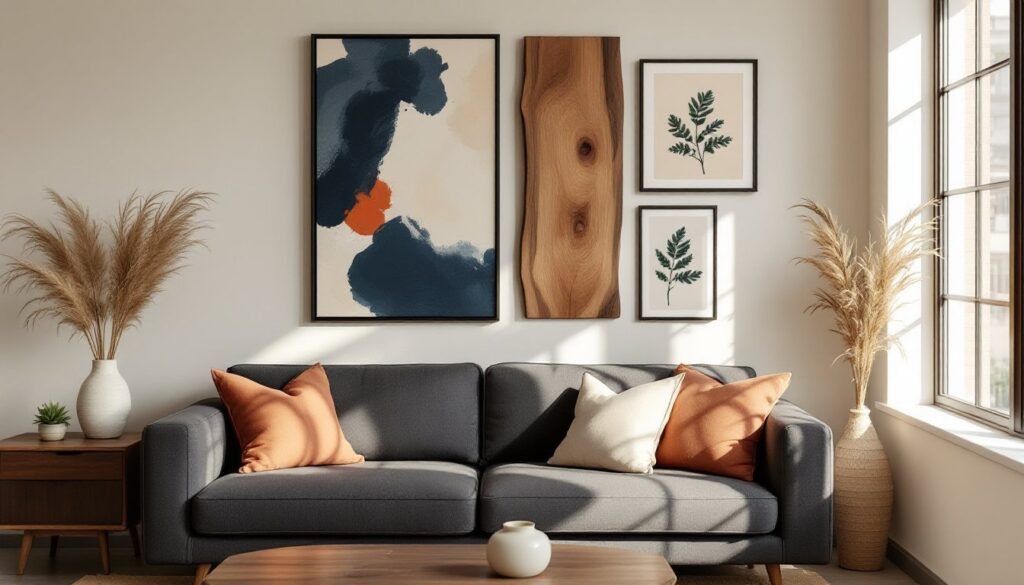
If there’s no built-in focal point, create one. A gallery wall, a statement bookshelf, or even a bold accent paint color on one wall can anchor the layout. Avoid centering the TV on a wall mount without a console beneath it, it floats awkwardly and leaves the lower wall bare. A low credenza or media stand grounds the setup and adds storage.
In square rooms, the focal point typically lands on one of the four walls. Resist the urge to split attention between two opposite walls, it fragments the layout and confuses the flow.
Furniture Arrangement Strategies for Square Spaces
Symmetrical Layouts for a Classic Look
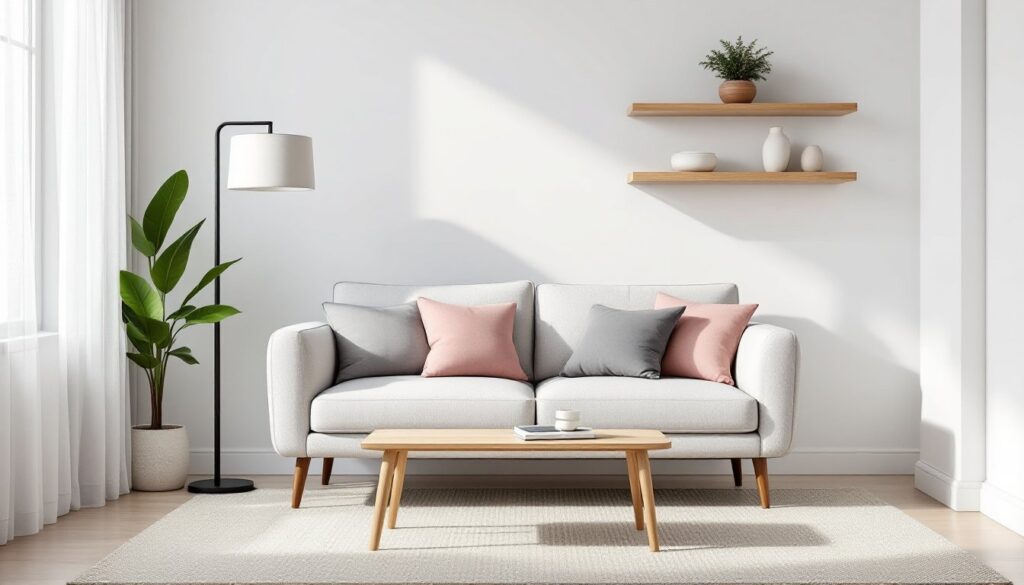
Symmetrical arrangements work well in square rooms because the equal wall lengths support balanced placement. Start with a sofa centered on one wall, facing the focal point. Flank it with two identical end tables and matching table lamps. Place two armchairs or a loveseat opposite the sofa, with a coffee table in the center.
This setup creates a formal, orderly feel that’s ideal for traditional or transitional decor styles. It’s also practical for households that entertain, guests instinctively understand where to sit, and conversation flows naturally across the seating zone.
For larger square rooms (16×16 feet or bigger), add a second layer of symmetry with console tables or bookcases along the remaining walls. Keep them low (under 36 inches) to avoid blocking sightlines. A pair of matching floor lamps in opposite corners adds ambient lighting without cluttering the center.
One caution: perfect symmetry can feel stiff. Break it up with varied throw pillow patterns, a textured area rug, or a single asymmetrical accent piece like a sculptural plant stand.
Asymmetrical Layouts for Modern Appeal
Asymmetrical layouts use varied furniture sizes and off-center placement to create visual interest. Instead of matching pairs, mix a three-seat sofa with a single lounge chair and a compact two-seat loveseat. Offset the coffee table slightly to one side, and use a floor lamp instead of matching table lamps.
This approach suits contemporary and eclectic interiors, where variety in texture, scale, and form is encouraged. Many interior design ideas lean toward asymmetry because it feels less staged and more personal.
In a square room, asymmetry works best when furniture is still grouped around the focal point but uses different angles. Try angling a chair at 45 degrees in a corner, or floating the sofa a few feet off the wall to create a walkway behind it. This breaks the grid without losing function.
Traffic flow matters here. Leave at least 24-30 inches between the coffee table and seating, and maintain a 36-inch clearway for main pathways. Asymmetry shouldn’t mean obstacle courses.
Zoning Your Square Living Room for Multiple Functions
Square footage allows for functional zoning, dividing the room into distinct areas without physical walls. Common zones include a seating area, a workspace, a reading nook, or a small dining spot.
Start by sketching the room to scale (graph paper works, or use a free floor plan app). Identify the focal point and primary seating zone first. Then carve out secondary zones in the remaining space, using furniture as dividers.
A sofa or console table can act as a natural boundary between zones. Place a sofa perpendicular to the wall with a narrow console table behind it, and tuck a desk or reading chair on the other side. This creates separation without blocking light or sightlines.
Area rugs are another effective tool. Use one rug under the main seating area and a second, smaller rug to define a workspace or reading corner. Choose rugs that complement each other in color but differ in pattern or size to avoid visual competition.
For open-concept homes, zoning helps distinguish the living room from adjacent spaces. A low bookshelf (around 30-36 inches tall) can separate a living zone from a dining area without closing off the room. Keep it open-backed or use a mix of books and decorative objects so it doesn’t feel like a wall.
Avoid over-zoning. In rooms under 14×14 feet, stick to one primary zone and maybe one compact secondary zone. Too many micro-areas make the space feel cluttered and shrink the room visually.
Traffic Flow and Space Planning Tips
Good layout isn’t just about where furniture goes, it’s about how people move through the room. Main traffic paths should be at least 36 inches wide, which is enough for one person to walk comfortably or two to pass without turning sideways.
In a square living room, traffic typically enters from one corner or the center of a wall. Map out the natural walkway from the entry to other rooms (hallway, kitchen, stairs) and keep that path clear. Don’t float furniture in a way that forces people to zigzag around obstacles.
Secondary pathways, like the space between a sofa and coffee table, can be narrower, around 24-30 inches. That’s enough to sit down, stand up, and set a drink on the table without bumping knees. Many small space living ideas emphasize tight but functional spacing to maximize usable square footage.
If the room has multiple doorways, avoid placing a sofa with its back to an entry. It creates an awkward arrival and makes guests feel like they’re sneaking up on people. Instead, position seating so arrivals can see faces or the focal point as they enter.
Floating furniture (pulling pieces off the wall) improves flow in larger square rooms. A sofa floated 12-18 inches from the wall opens up a walkway behind it and makes the seating zone feel intentional rather than default. It also creates space for a console table with task lighting or decor.
For rooms with windows on multiple walls, don’t block low sills with tall furniture. Keep pieces under 30 inches near windows to preserve natural light. If privacy is a concern, use cellular shades or café curtains that cover the lower half only.
Finally, test the layout before committing. Use painter’s tape on the floor to outline furniture footprints, or move existing pieces around and live with the arrangement for a few days. What looks balanced on paper might feel cramped in practice, especially if the room is used for TV watching, kids’ play, or frequent entertaining. Adjust based on real-world use, not just aesthetics.
One last note: measure doorways and hallways before buying furniture. A sectional that fits the room dimensions might not fit through a 32-inch door. Many home styling guides recommend noting nominal versus actual dimensions and leaving a 2-inch clearance on all sides during delivery.