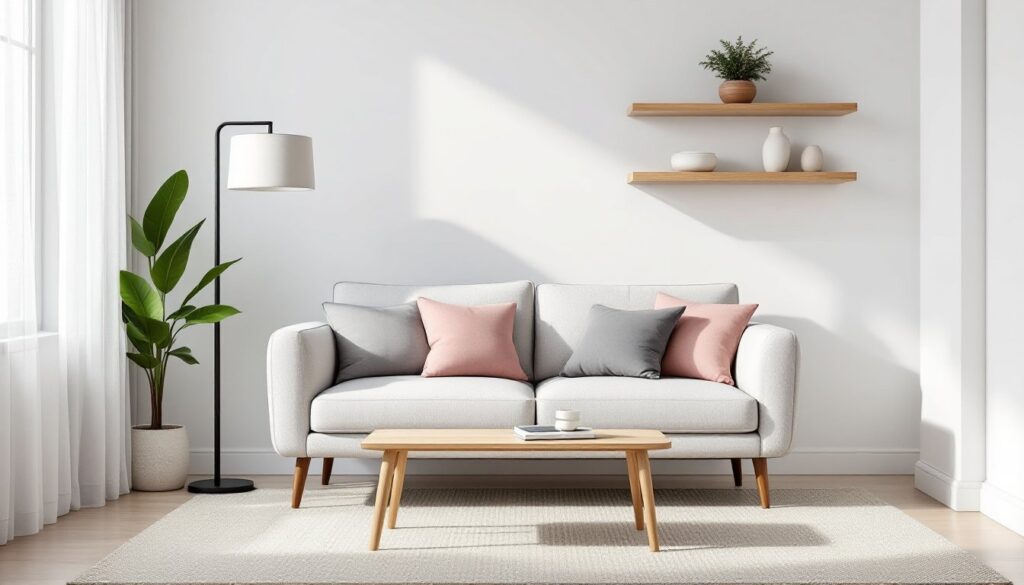
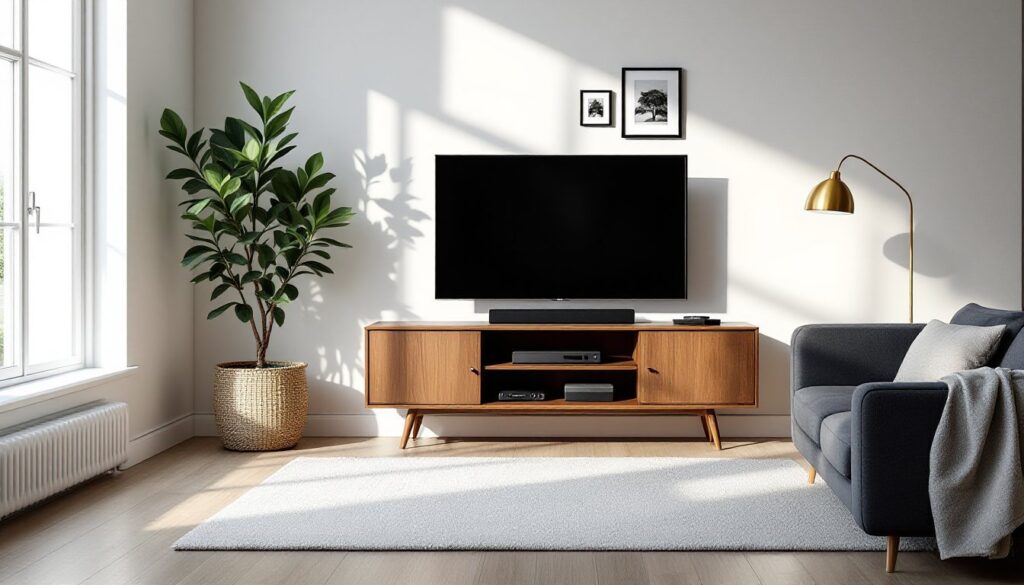
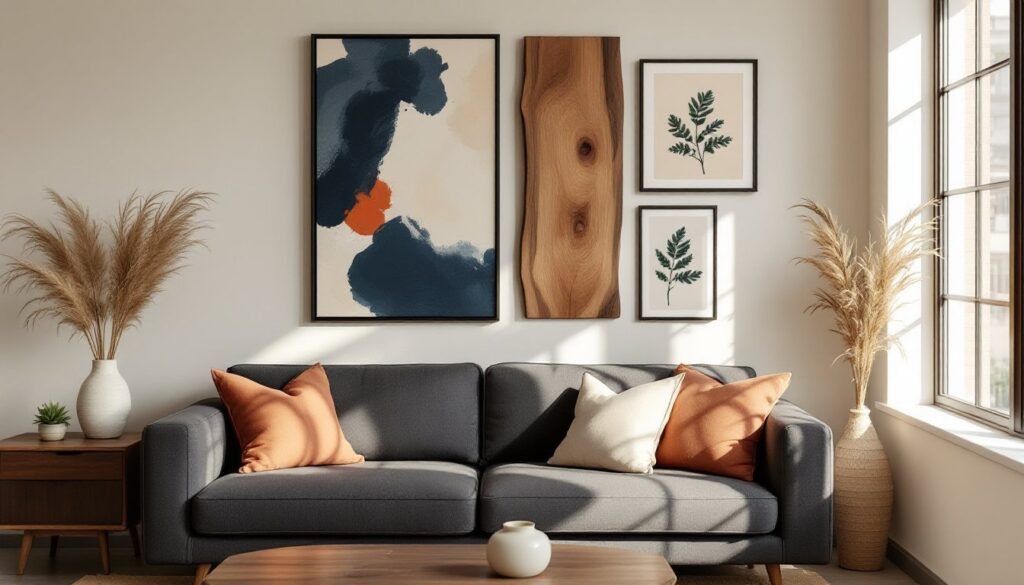
A well-chosen side table does more than hold a drink, it anchors a seating area, balances visual weight, and adds functional surface space exactly where it’s needed. In tight living rooms or open layouts, small side tables deliver that utility without eating up precious square footage. Whether someone’s furnishing a first apartment or refreshing a family room, the right side table pulls together form and function in one compact package. This guide walks through the essentials: identifying the types that fit different needs, sizing them correctly, matching materials to existing decor, and placing them for maximum impact.
Table of Contents
ToggleKey Takeaways
- Small side tables for living rooms provide essential surface space for remotes, drinks, and lamps while maintaining clear sightlines and not overwhelming tight floor plans.
- The ideal side table height should match your sofa or chair arm height (typically 24–26 inches), with surface dimensions of 16–18 inches for round tables or 14–16 inches for square tables to balance functionality and walkway clearance.
- Nesting and stackable tables maximize flexibility for renters and multipurpose rooms, while C-shaped sofa tables deliver lap-level convenience without occupying floor space.
- Choose durable materials like solid wood or powder-coated metal for long-term use; engineered wood and glass work well for light-duty living room applications if stability is prioritized.
- Strategic placement—flanking sofas, anchoring conversational seating groups, filling corners, or floating in open layouts—transforms small side tables into hardworking design elements that enhance both form and function.
- Layering decorative items on your side table surface creates intentional vignettes that add visual interest and allow seasonal refreshes without committing to permanent furniture changes.
Why Small Side Tables Are Essential for Your Living Room
Side tables solve real problems in living spaces. They provide landing spots for remotes, reading glasses, table lamps, and drinks, items that otherwise end up on the floor or precariously balanced on sofa arms. In rooms where a full-size coffee table overwhelms the layout or blocks traffic flow, small side tables offer the surface area without the bulk.
From a design standpoint, they fill visual gaps. A sofa pushed against a wall often looks unfinished without a flanking table or two. Side tables create symmetry in traditional layouts and add sculptural interest in modern spaces. They also introduce opportunities to layer textures and materials: a metal frame next to upholstered furniture, a wooden top against painted walls, or a glass surface that keeps sightlines open.
Functionality matters just as much. End tables at arm’s reach mean no stretching across the couch for a phone charger. Accent tables near entryways catch keys and mail. In multipurpose rooms, living areas that double as home offices or playrooms, small side tables can roll or stack out of the way when floor space is needed for other activities. Interior design experts at MyDomaine emphasize the versatility of compact furniture in multifunctional spaces.
For renters or anyone who moves frequently, small tables are easier to transport and adapt to new floor plans than heavier, fixed-size pieces. They’re also budget-friendly entry points for updating a room’s look without committing to a full furniture overhaul.
Types of Small Side Tables to Consider
Not all side tables are created equal. The design, footprint, and mobility of a table determine where it works best and how it holds up to daily use.
Nesting Tables and Stackable Options
Nesting tables, typically sold in sets of two or three, slide under one another when not in use, freeing up floor space. The largest table in a set usually measures 18 to 20 inches wide, with smaller pieces stepping down by a few inches. These are ideal for hosting: pull out the extras when guests need a spot for appetizers or drinks, then tuck them away afterward.
Most nesting sets use lightweight materials like engineered wood, metal frames, or tempered glass to keep individual pieces easy to move. The trade-off is stability. Thin legs can wobble on uneven floors or thick rugs, and lightweight tops may tip if a toddler leans on one. If the room sees heavy use, look for sets with cross-braced or triangulated bases for added rigidity.
Stackable tables function similarly but typically share the same footprint, stacking vertically rather than nesting horizontally. They work well in narrow spaces, think along a hallway or beside a recliner, where side-by-side nesting would block passage.
C-Shaped and Sofa Arm Tables
C-shaped tables (also called slide-under tables) feature a cantilevered top that tucks beneath a sofa or chair, positioning the surface directly over the user’s lap. The vertical leg stands a few inches back from the furniture’s edge, so the table doesn’t interfere with seating. Standard depths run 10 to 14 inches, and heights range from 24 to 28 inches to clear most sofa arms.
These tables shine in small apartments or media rooms where reaching forward to a coffee table isn’t practical. They’re also popular with anyone who eats or works from the couch. But, the cantilever design puts stress on the base, cheaper models with hollow tubing or particleboard can sag over time. A solid hardwood or welded steel frame holds up better under repeated use.
Sofa arm tables sit atop the armrest itself, secured by a flat base or clamp. They’re ultra-compact and portable, though they only work with furniture that has wide, flat arms (typically 6 inches or wider). Weight capacity is limited, most hold a mug and a phone, not a stack of hardcover books. For homes with creative furniture arrangements, these provide targeted functionality without taking up any floor space.
How to Choose the Right Size and Height
Proper proportions keep a side table from looking awkward or functioning poorly. The standard rule: match the table height to the arm of the adjacent seating, plus or minus two inches. Most sofas and upholstered chairs have arms between 24 and 26 inches tall, so tables in that range feel natural to reach.
Go lower, around 20 to 22 inches, if the table sits next to a low-slung sectional or mid-century modern chair. Go higher, up to 28 or 30 inches, for wingback chairs or recliners with tall arms. Placing a short table next to high seating forces awkward downward reaches: a tall table beside a low sofa creates visual imbalance and makes the furniture look squat.
Surface dimensions matter too. A round table with a 16- to 18-inch diameter or a square table measuring 14 to 16 inches per side provides enough room for a lamp base, a drink, and a small decorative object without crowding. Anything smaller becomes impractical: anything much larger encroaches on walkways in tight layouts.
Measure clearances before buying. Allow at least 24 inches of open floor space between the table and adjacent furniture or walls for comfortable passage. In narrow living rooms, that means choosing a table no deeper than 12 to 14 inches if it sits against a wall or between a sofa and window.
Weight capacity isn’t always listed, but it’s worth considering. A solid wood or metal table can support a heavy ceramic lamp or a stack of magazines. Lightweight options, hollow-core or thin veneer, may flex or tip under the same load. If the table will hold a lamp, check that the base is wide and heavy enough to prevent toppling when someone bumps it.
Materials and Styles That Match Your Decor
Material choice affects durability, maintenance, and how well the table integrates with existing furniture.
Solid wood, oak, walnut, maple, offers longevity and a classic look. Expect to pay more, but a well-built hardwood table can last decades. Engineered wood (MDF or particleboard with veneer) costs less and works fine for light-duty use, though edges chip more easily and moisture can cause swelling. Look for edge-banded veneer to protect exposed particleboard.
Metal tables, typically powder-coated steel or aluminum, pair well with industrial, modern, or minimalist decor. They’re sturdy and easy to clean, but cold to the touch and prone to scratching hardwood floors if felt pads aren’t applied to the feet. Hairpin legs and tubular frames are popular design elements, though thin tubing (less than ½ inch diameter) can bend under heavy loads.
Glass tops keep sight lines open, which helps small rooms feel less cluttered. Tempered glass is safer, if it breaks, it shatters into rounded pebbles rather than sharp shards, but it still requires regular cleaning to remove fingerprints and water rings. Avoid glass tables in homes with young kids or large pets unless the base is exceptionally stable.
Marble and stone add luxury but come with trade-offs. Natural stone is porous and stains easily: it needs sealing every 6 to 12 months. It’s also heavy, which limits portability and can damage floors during moves. Faux marble (resin or laminate) mimics the look at a fraction of the weight and cost.
Style-wise, match the table’s lines to the room’s dominant aesthetic. Tapered legs and clean geometry suit mid-century modern spaces. Turned legs and ornate aprons fit traditional or farmhouse interiors. Open frameworks and mixed materials, wood with metal, concrete with wood, work in eclectic or transitional rooms. Browse curated side table collections for visual inspiration across different design styles.
Creative Placement Ideas for Maximum Impact
Strategic placement turns a side table from a simple accessory into a hardworking design element.
Flanking a sofa is the classic move. Two matching tables create symmetry: two different tables, same height, different materials or shapes, add visual interest without looking chaotic. This approach works best in formal or balanced layouts.
Between two chairs in a conversational grouping, a small round or square table provides shared surface space without interrupting sightlines. Keep the diameter or width under 20 inches to avoid making the seating feel cramped.
In corners or awkward niches, a side table fills dead space and offers a spot for a reading lamp or potted plant. Corner placement works especially well with triangular or wedge-shaped tables designed to fit snugly into 90-degree angles.
As a nightstand alternative in a bedroom, a compact side table can double as bedside storage when a traditional nightstand won’t fit. Choose one with a lower shelf or drawer for storing books, chargers, or sleep aids.
Floating in open floor plans, a side table can anchor a reading nook or define a zone within a larger room. Pair it with a floor lamp and an accent chair to create a mini retreat that doesn’t require walls or built-ins.
Behind a sofa that floats in the middle of the room, a narrow console or pair of small tables can hold lamps or decor while concealing the sofa back. This works when the sofa doesn’t sit against a wall and the back upholstery is plain or industrial-looking.
Layering is another technique: stack books or decorative boxes on the table surface to add height, then top with a small tray, vase, or sculptural object. This builds a vignette that feels intentional rather than random. Rotate items seasonally to keep the display fresh without buying new furniture.