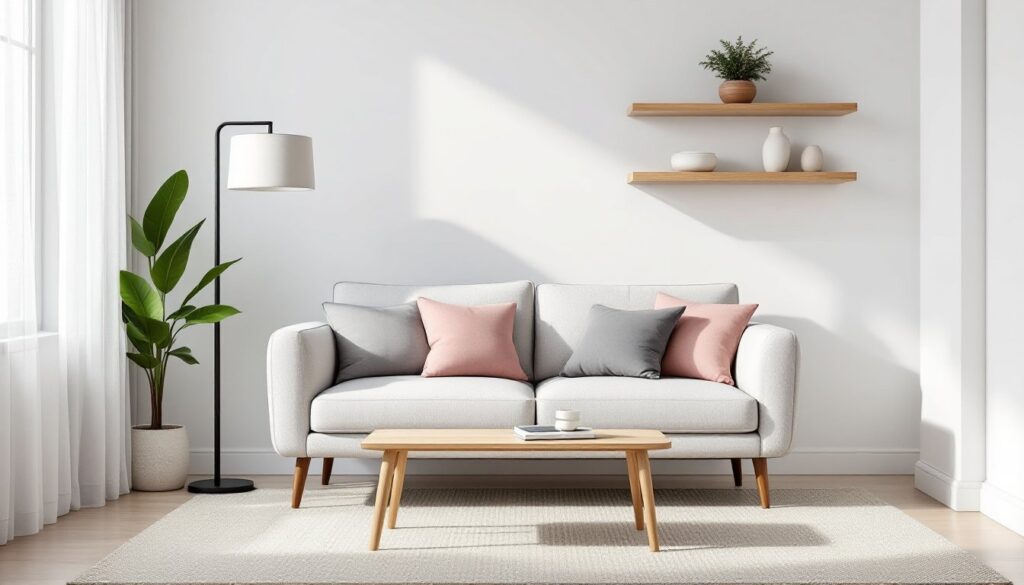
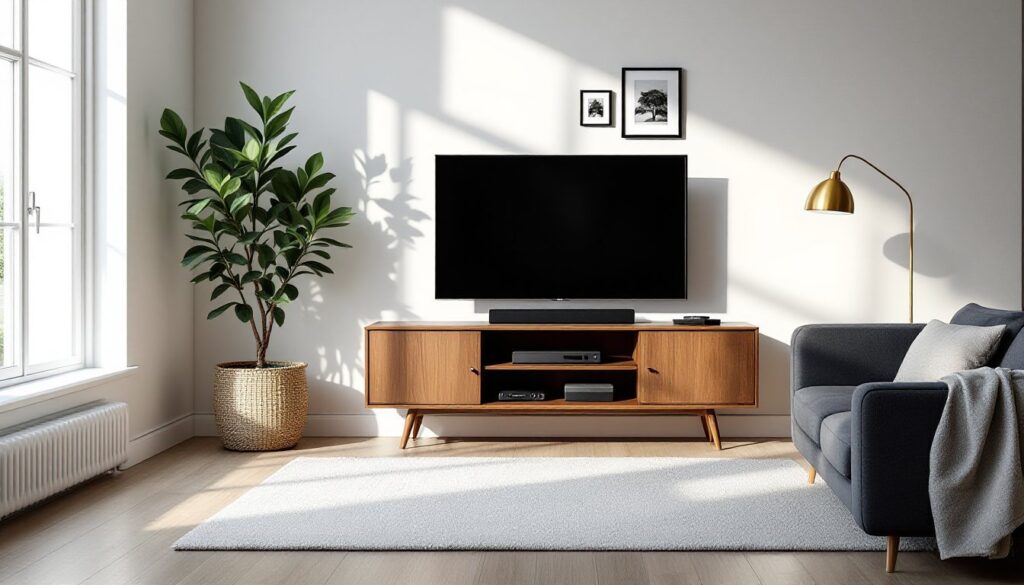
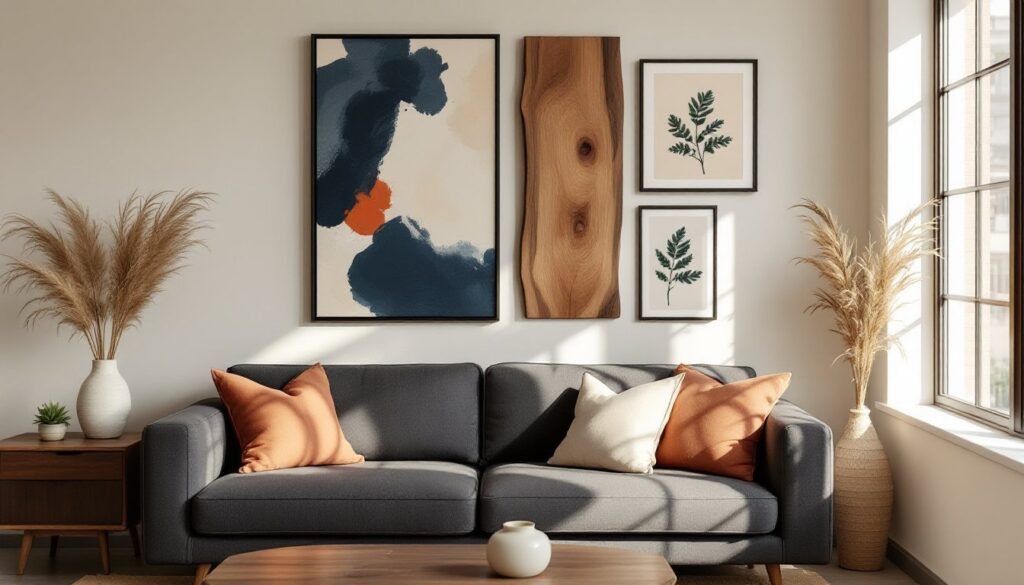
Small living rooms demand strategy, not sacrifice. The right window treatment can make a cramped space feel open and airy, or amplify every square foot you’re missing. Windows aren’t just about letting light in: they shape how a room feels, how furniture fits, and whether your walls seem to close in or stretch out. In tight quarters, every choice matters: curtain length, rod placement, even the weight of fabric. This guide covers fifteen practical ideas for dressing small living room windows without shrinking the space or blocking precious daylight.
Table of Contents
ToggleKey Takeaways
- Small living room window ideas start with strategic placement: mount curtain rods 2–4 inches below the ceiling and extend them 4–6 inches beyond the frame to add perceived height and width.
- Sheer curtains and lightweight fabrics are ideal for small living rooms as they diffuse natural light without creating visual weight or blocking sightlines to the outdoors.
- Choose minimal hardware, slim tension rods, and low-profile blinds that disappear visually rather than ornate finials and bulky treatments that consume valuable visual space.
- Pair functional solutions like blackout roller shades with sheer curtains to adapt your small room for both daylight activities and evening privacy without rearranging furniture.
- Use color, vertical stripes, and mirrors strategically to enhance perceived space—neutral or cool tones keep the room feeling airy while mirrors bounce light to amplify window impact.
- Select cordless, motorized, or machine-washable window treatments to maintain safety, reduce clutter, and ensure small rooms stay fresh without frequent deep cleaning.
Why Window Treatments Matter in Small Living Rooms
Window treatments control three critical elements: light, privacy, and perceived space. In a small living room, poor choices compound fast. Heavy drapes can swallow natural light, making a 10×12 room feel like a cave. Bulky valances or ornate hardware eat visual real estate, drawing the eye to clutter instead of openness.
The goal is to enhance what’s already there. A well-placed rod, mounted high and wide, can add perceived height and width to a standard double-hung window. Light-filtering fabrics maintain privacy without the tunnel effect of blackout curtains. Even the hardware profile matters, chunky finials and layered treatments create visual weight that small rooms can’t afford.
Consider function first. South-facing windows may need UV-filtering treatments to protect furniture, while north-facing windows benefit from reflective or sheer options that maximize available light. Ground-floor windows require privacy solutions that don’t block sightlines from inside. Match the treatment to the window’s role, then refine for style.
Light-Enhancing Window Treatment Options
Sheer Curtains and Lightweight Fabrics
Sheer curtains remain the workhorse solution for small living rooms. Voile, chiffon, or linen-blend sheers diffuse harsh sunlight while maintaining a soft glow throughout the day. Unlike solid fabrics, sheers don’t create a hard visual stop, allowing the eye to travel through to the outdoors.
Mount sheers on a rod that extends 4-6 inches beyond the window frame on each side. This placement makes the window appear wider when curtains are open and ensures fabric doesn’t block glass when drawn. Choose floor-length panels, they create a vertical line that pulls the eye upward, adding height to the room.
For layering, pair sheers with a sleek roller shade or cellular blind mounted inside the frame. The shade provides privacy and light control: the sheers add softness without bulk. Skip heavy liners in small spaces unless you need true blackout conditions for a media setup.
Stick to neutral or cool tones. Warm, saturated colors can make fabric feel heavier. White, soft gray, pale blue, or natural linen keep the look airy. If pattern is a must, choose small-scale geometrics or subtle textures, large florals or bold stripes compete for attention in tight quarters.
Minimal Hardware and Sleek Blinds
Hardware and blind systems should disappear, not announce themselves. Slim tension rods, ceiling-mounted tracks, or low-profile brackets keep sightlines clean. Avoid decorative finials, tiered rods, or ornate holdbacks, these add inches and visual noise.
For blinds, 1-inch aluminum mini blinds or faux wood blinds offer precise light control without the bulk of 2-inch slats. Cellular (honeycomb) shades provide insulation and a clean, tailored look: choose top-down/bottom-up models for privacy without losing overhead light. Roman shades work well for a softer aesthetic, but select flat-fold or hobbled styles over ballooned or relaxed versions.
Inside-mount blinds create a streamlined profile that keeps the frame visible and doesn’t intrude into the room. Outside-mount treatments should be minimal, if you go this route, use it to widen the window appearance, not add depth. Many designers prefer motorized blinds in small spaces: eliminating lift cords and wands reduces clutter and creates a seamless look.
Strategic Window Placement and Layout Tricks
You can’t move the window, but you can manipulate how it interacts with the room. Start with rod height: mount curtain rods 2-4 inches below the ceiling, not at the window frame. This technique, widely covered in small space design advice, draws the eye upward and makes ceilings feel taller.
Extend rods beyond the frame. A rod that’s 8-12 inches wider than the window (total, both sides) allows curtains to stack off the glass entirely when open, maximizing daylight. In very small rooms, this can add several inches of perceived width to a wall.
Arrange furniture to complement, not compete with, windows. Avoid placing tall bookcases or cabinets directly beside windows, these create a chopped-up look. Instead, use low-profile furniture (sofas under 32 inches high, armless chairs, or open-leg tables) to keep sightlines flowing. If the sofa must go under the window, use a short rod or inside-mount blinds so the treatment doesn’t interfere with the sofa back.
Mirrors amplify window impact. Place a large framed mirror on the wall perpendicular to or opposite the window to bounce light and create the illusion of a second light source. Avoid mirrored walls directly across from windows, this can create glare and feels dated.
Creative Window Styling for Visual Expansion
Color and pattern can reshape a room’s proportions. Vertical stripes in curtains add height: horizontal lines (rare in window treatments, but seen in some Roman shades) can widen a narrow wall. Monochromatic schemes, matching curtain color to wall paint, blur boundaries and make walls feel farther apart.
Consider ombré or gradient fabrics that transition from dark at the floor to light at the top. This subtle shift pulls the eye upward and integrates the treatment into the room rather than isolating it as an add-on.
For a modern look, try asymmetrical panels: a single curtain panel on one side of the window, pulled back with a minimalist tie. This works especially well on narrow windows or when windows sit close to a corner. It maintains the softness of fabric without the bulk of double panels.
Transparent or sheer cafe curtains covering only the lower half of the window preserve privacy while leaving the upper glass open for maximum light. This old-school trick suits cottage or transitional styles and keeps the window from feeling covered.
Expert interior designers often highlight the use of scale: in a small room, one bold statement window treatment (such as floor-to-ceiling drapery in a luxe fabric) can anchor the space, while multiple competing treatments create chaos. Choose one window as the focal point if you have more than one in the room.
Functional Window Solutions for Small Spaces
Small living rooms often juggle multiple needs: workspace, entertaining, media, relaxation. Window treatments should adapt.
Dual-function treatments like blackout roller shades paired with sheer curtains let occupants shift between modes, open and airy during the day, private and dark for movie nights. Cordless or motorized options eliminate dangling cords, a plus if the room doubles as a play area or home office.
Energy efficiency matters in compact spaces, which heat and cool faster than large rooms. Cellular shades with a high R-value (insulation rating) reduce heat loss in winter and block solar gain in summer. Thermal-backed curtains serve the same purpose without the bulk of traditional lined drapes, but verify the backing won’t yellow or stiffen over time.
If the living room window opens onto a balcony or patio, consider a sliding panel track system or vertical blinds for patio doors. These slide smoothly out of the way, unlike curtains that bunch and snag. For standard windows in tight furniture layouts, top-down/bottom-up shades offer privacy below while letting light in above, no need to rearrange the sofa every time you want fresh air.
Safety note: if children or pets are present, use cordless blinds or install cord cleats mounted high and out of reach. Looped cords pose strangulation risks. Spring-loaded or motorized systems eliminate the hazard entirely.
Finally, don’t ignore maintenance. Small rooms show dust and grime faster. Choose machine-washable fabrics or treatments that wipe clean (faux wood, aluminum, vinyl). Many homeowners underestimate how often window treatments need cleaning, plan for quarterly dusting and annual deep cleaning to keep the space feeling fresh. As noted in popular home decorating guides, regular upkeep prevents buildup that dulls light and traps allergens.