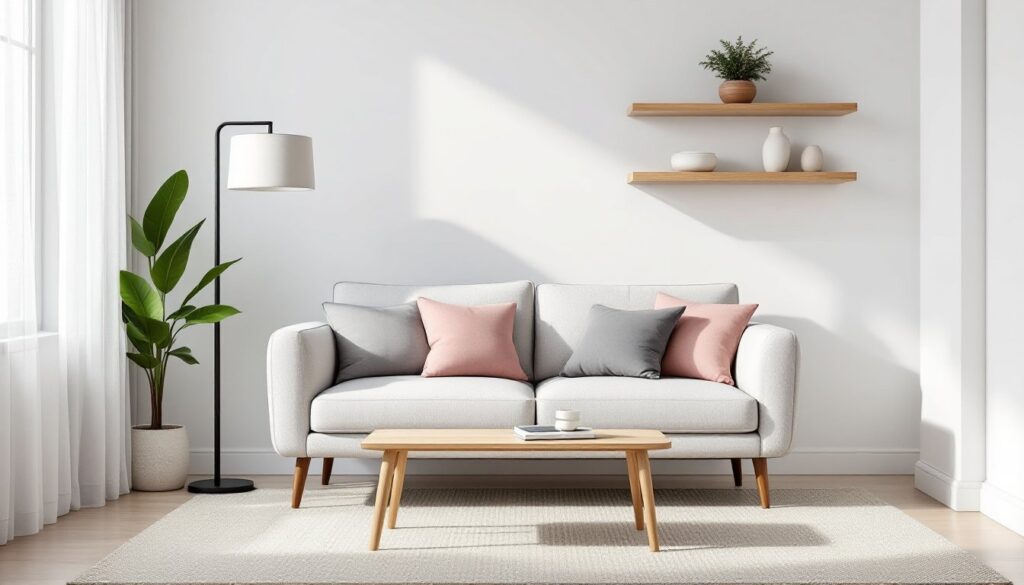
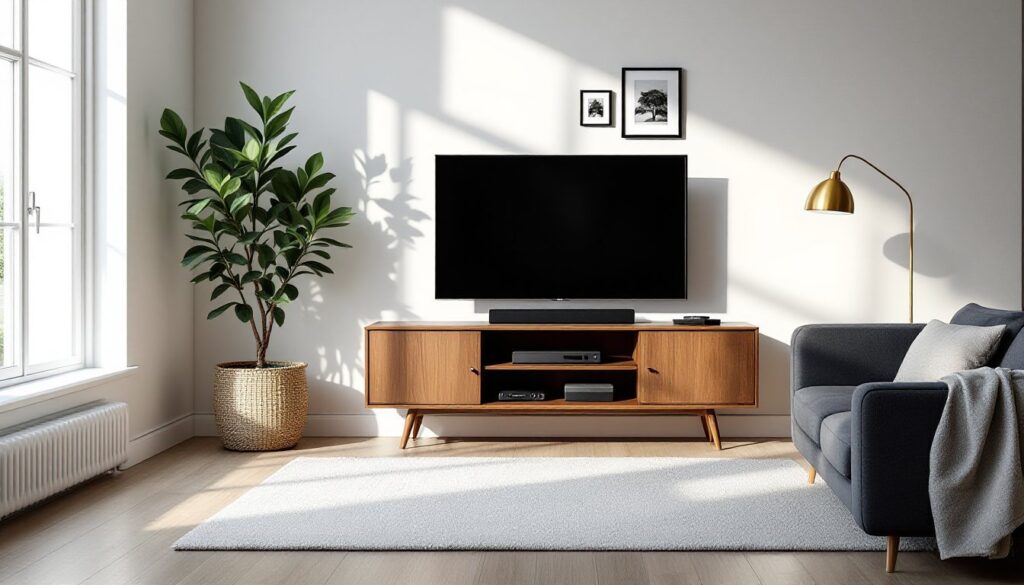
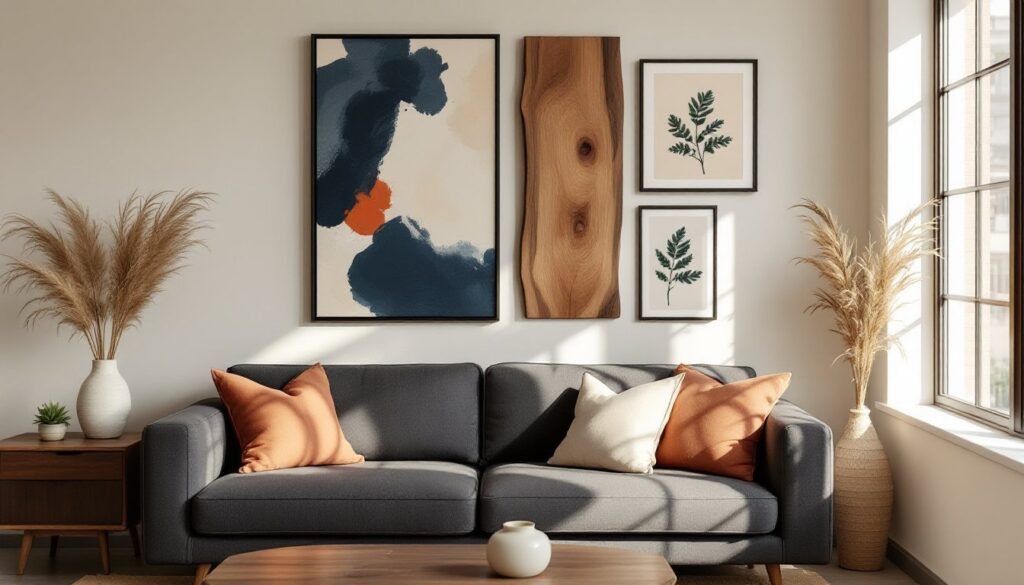
A well-executed accent wall can completely reshape how a small living room feels, adding visual depth, drawing the eye strategically, and creating a focal point that makes the space feel curated rather than cramped. In compact rooms, every design choice carries weight, and an accent wall lets homeowners introduce bold color, texture, or pattern without overwhelming the entire space. Whether working with paint, wallpaper, wood planks, or creative DIY applications, the right accent wall turns a limitation into an asset. This guide covers practical, proven accent wall ideas suited to smaller living rooms, with attention to materials, installation considerations, and design impact.
Table of Contents
ToggleKey Takeaways
- Small living room accent wall ideas work by creating visual hierarchy and focal points without requiring extra square footage, making bold design risk-taking manageable and affordable.
- Deep, saturated paint colors like navy, forest green, and terracotta succeed on accent walls when paired with light neutral walls, adding richness and moodiness without shrinking the room.
- Textured accent walls using shiplap, 3D panels, or Venetian plaster add depth and shadow play that flat paint can’t achieve, transforming small spaces with tactile visual interest.
- Wallpaper with large-scale patterns, vertical stripes, and removable peel-and-stick options create bold focal points and the illusion of expanded space in compact living rooms.
- Budget-friendly DIY projects like painted geometric patterns, stenciled designs, and construction-grade wood arrangements deliver striking accent walls for under $150 in materials.
- The wall behind your sofa, fireplace, or the first wall visible from the entry are ideal accent candidates; avoid walls with multiple doors or windows that dilute visual impact.
Why Accent Walls Work Perfectly in Small Living Rooms
Accent walls succeed in small living rooms because they create intentional visual hierarchy without requiring additional square footage. In a compact space, painting or finishing all four walls in a bold treatment can feel claustrophobic. A single accent wall delivers the drama of color or texture while leaving the remaining walls neutral, which maintains an open, airy feel.
From a design perspective, accent walls direct attention. Placing the accent behind a sofa, fireplace, or media console establishes a clear focal point and makes furniture arrangement more intuitive. This is especially useful in small rooms where layout options are limited.
Accent walls also allow for creative risk-taking on a manageable scale. Testing a saturated paint color, patterned wallpaper, or reclaimed wood planks on one wall is less costly and less permanent than committing to a full-room treatment. If the result doesn’t work, the fix is straightforward.
Finally, they add perceived depth. Darker or textured accent walls can make the wall plane recede visually, creating a sense of dimension in shallow rooms. Lighter or reflective treatments can bounce light and expand the sense of space, both effects are valuable in small living areas.
Bold Paint Colors That Make a Statement
Deep, saturated paint colors work surprisingly well in small living rooms when applied to a single accent wall. Navy blues, forest greens, charcoal grays, and warm terracottas create richness without shrinking the room, provided the other three walls stay light. These hues absorb light, which adds moodiness and makes the accent wall feel like a backdrop rather than a barrier.
When selecting paint, use flat or matte finishes for a sophisticated, velvety look that hides minor wall imperfections. Eggshell or satin finishes offer easier cleanability and a subtle sheen, useful in high-traffic living rooms. One gallon of quality paint typically covers 350–400 square feet with one coat: most accent walls require only a quart or two, making this an affordable update.
Prep work is critical. Fill nail holes with spackling compound, sand smooth with 120-grit sandpaper, and apply a coat of primer if painting over a dark existing color or fresh drywall. Skipping primer often results in uneven color saturation and requires extra topcoats.
Safety note: Ensure adequate ventilation when painting indoors. Open windows and use fans to circulate air, especially when working with oil-based or low-VOC paints that still off-gas during cure time.
For a contemporary twist, some homeowners are using ombré or gradient techniques, blending two shades vertically on the accent wall. This approach adds visual interest without introducing pattern, and it’s achievable with a roller and careful feathering between colors.
Textured Accent Walls for Added Depth and Dimension
Texture transforms a flat wall into a tactile focal point and creates shadow play that adds dimension to small living rooms. Options range from simple DIY applications to more involved installations, but all introduce depth that paint alone can’t achieve.
Shiplap and tongue-and-groove paneling remain popular for good reason. Installed horizontally, 1×6 or 1×8 nominal boards (actual dimensions 3/4″ × 5.5″ and 3/4″ × 7.25″) create clean lines and a subtle Scandinavian or farmhouse aesthetic. Vertical installation can make low ceilings feel taller. Both real wood and MDF or PVC alternatives are available: MDF costs less and paints smoothly, while real pine or poplar can be stained.
Installation requires a level, stud finder, finish nailer or construction adhesive, and a miter saw for clean end cuts. Locate studs and fasten boards directly, or apply furring strips first for a uniform nailing surface. Leave a small gap at floor and ceiling for expansion, covered later with trim.
3D wall panels, available in MDF, PVC, or plant fiber, offer geometric patterns like waves, tiles, or hexagons. These panels typically measure 2′ × 2′ and install with adhesive or brad nails. They’re lightweight, affordable, and can be painted any color. The raised relief catches light and creates shifting shadows throughout the day, adding life to static walls.
Plaster or Venetian plaster finishes deliver old-world texture and depth. While traditional application requires skill, modern plaster-effect paints allow DIYers to achieve a similar look with trowel techniques. This approach works well for Mediterranean, Spanish, or eclectic interiors.
Many small space design ideas emphasize texture as a way to add interest without visual clutter, an especially useful principle in compact living rooms.
Wood and Natural Material Accent Walls
Reclaimed wood brings warmth, character, and a sense of history to small living rooms. Salvaged barn siding, pallet wood, or reclaimed pine planks offer varied grain, color, and patina that can’t be replicated with new material. Widths and thicknesses vary, which adds to the rustic charm but requires careful layout planning.
Before installation, inspect reclaimed wood for nails, staples, or embedded metal, and check moisture content with a pin-type meter: wood should be below 12% to prevent warping after installation. Acclimate boards indoors for at least 48 hours.
Install reclaimed wood with a random or staggered pattern using finish nails, construction adhesive, or a combination of both. Some installers apply a clear matte sealer to preserve the weathered look while protecting against dust and splintering.
Cork tiles or panels offer a softer, more modern natural material option. Available in various finishes, from natural tan to charcoal-stained, cork is lightweight, sustainable, and provides modest sound dampening. Tiles adhere with contact cement or peel-and-stick backing.
Live-edge or shou sugi ban (charred wood) treatments appeal to those seeking a more dramatic, gallery-like aesthetic. These finishes require more specialized sourcing and installation but deliver high visual impact in contemporary or industrial spaces.
Wallpaper Patterns That Enhance Small Spaces
Modern wallpaper has evolved far beyond the dated florals of decades past. Peel-and-stick (removable) wallpaper makes accent walls accessible to renters and commitment-phobic homeowners, with no paste, no mess, and easy removal that won’t damage drywall.
Large-scale patterns, oversized botanicals, geometric shapes, abstract murals, work counterintuitively well in small living rooms. Rather than overwhelming the space, they create a bold focal point that draws the eye and makes the wall feel like an intentional design feature. Small, busy patterns can read as visual noise in compact rooms.
Vertical stripes elongate walls and make ceilings appear higher, a useful trick in rooms with standard 8-foot ceiling heights. Horizontal stripes widen narrow walls but can make ceilings feel lower, choose orientation based on the room’s proportions.
Textured or grasscloth-look wallpapers add depth without strong pattern, offering a middle ground between paint and bold prints. These work especially well behind built-ins, shelving, or media consoles where the texture peeks through as a subtle backdrop.
When hanging wallpaper, surface prep is non-negotiable. Walls must be clean, smooth, and primed. Fill any dents or holes, sand rough spots, and wipe down with a damp cloth to remove dust. For traditional paste wallpaper, use a smoothing tool to eliminate air bubbles and a sharp utility knife to trim excess at ceiling, baseboard, and corners.
Current interior design trends lean toward murals and custom prints that create the illusion of depth, think trompe-l’oeil arches, forest scenes, or abstract gradients that expand perceived space.
Safety reminder: When using utility knives, always cut away from your body and keep blades sharp: dull blades require excess pressure and are more likely to slip.
Creative DIY Accent Wall Projects on a Budget
Budget-conscious homeowners can achieve striking accent walls with materials from home centers, salvage yards, or even around the house.
Painted geometric patterns, triangles, chevrons, hexagons, require only painter’s tape, a level, and paint. Tape off the design carefully, ensuring edges are pressed down firmly to prevent bleed. Use a small foam roller for coverage in tight spaces and remove tape while paint is still slightly tacky for the cleanest lines.
Stenciled designs offer the look of wallpaper at a fraction of the cost. Large-scale stencils (available at craft stores or online) can be applied with foam pouncers or rollers. Work from top to bottom, repositioning the stencil carefully to maintain alignment. Metallic or contrasting paint colors add dimension.
Wood accent walls from construction-grade lumber cost significantly less than reclaimed or specialty materials. 1×4 or 1×6 furring strips or common pine boards, arranged in herringbone, chevron, or grid patterns, create high-impact designs for under $100 in material. Stain or paint them for a custom finish.
A miter saw is essential for accurate angle cuts in herringbone or chevron layouts: a circular saw with a speed square can work but requires more patience and precision. Dry-fit the entire pattern on the floor before committing to the wall, it’s easier to adjust spacing and alignment horizontally.
Picture frame molding applied directly to drywall creates classic wainscoting or panel effects. Use MDF or pine chair rail, baseboard, or flat casing to build out frames in a grid, then paint the wall and trim in contrasting or tonal colors. This approach suits traditional, transitional, or modern farmhouse aesthetics.
Some DIYers turn to fabric, stretched canvas, or even pegboard painted and arranged in modular sections. These aren’t structural but add texture and personality at minimal expense.
For those tackling budget home makeover projects, accent walls deliver maximum visual change for minimal investment, often under $150 in materials and a weekend of work.
Tip: Buy extra material to account for cuts, mistakes, and future repairs. Dye lots and manufacturing runs vary, so matching paint or materials later can be difficult.
Choosing the Right Wall for Your Accent Feature
Not every wall is a good candidate for accent treatment. The most effective accent walls are those that naturally draw the eye or anchor the room’s layout.
The wall behind the sofa is a common and logical choice in living rooms. It’s the largest uninterrupted plane in most layouts, and it frames the seating area. If the sofa sits against a wall with windows, consider the wall opposite or perpendicular instead.
Fireplace walls are natural focal points. Extending the accent treatment from floor to ceiling around the mantel amplifies the fireplace’s presence and creates a cohesive vertical element.
The wall visible from the entry makes the strongest first impression. If the living room opens directly from a foyer or hallway, the first wall visible as someone enters is prime real estate for an accent treatment.
Avoid accent walls broken up by multiple doors, windows, or architectural interruptions. These require excessive cutting, fitting, and visual fragmentation, which dilutes impact.
Load-bearing walls and structural concerns: Most accent wall treatments, paint, wallpaper, thin planks, add negligible weight and don’t affect structural integrity. But, if installing thick hardwood, stone veneer, or tile, confirm the wall can support the added load. In most residential construction, this isn’t an issue, but older homes or walls with existing damage should be assessed.
Electrical and plumbing: Note the location of outlets, switches, and any in-wall utilities. Plan how the accent material will integrate around these, wood planks and panels can be notched, wallpaper can be trimmed, but the process requires care and patience.
If there’s uncertainty about which wall will work best, mockups help. Tape off the wall boundaries, hang sample boards or large swatches, and live with the visual for a few days before committing.
PPE reminder: When cutting wood, MDF, or composite materials, wear safety goggles and a dust mask rated N95 or higher. Fine particulate from MDF can be especially irritating to lungs and eyes.