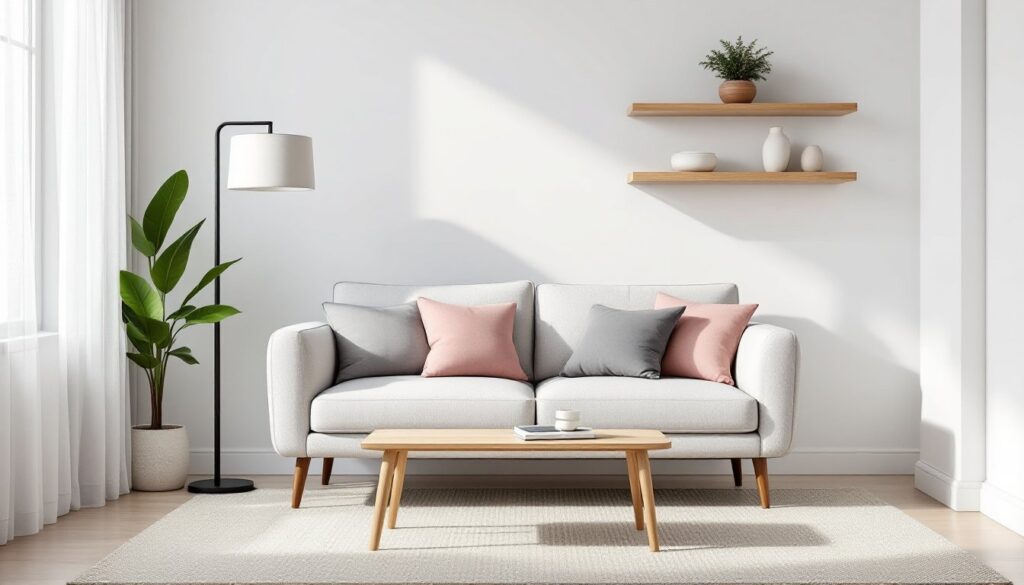
A small drink table is one of those pieces you don’t realize you need until someone’s balancing a coffee mug on the arm of your sofa. It’s the unsung hero of the living room, compact, functional, and surprisingly versatile. Whether you’re setting down a glass during movie night or creating a dedicated spot for a reading lamp, the right side table solves problems without eating up floor space. This guide walks through the practical considerations for choosing, sizing, and placing a small drink table that actually works for how you live.
Table of Contents
ToggleKey Takeaways
- A small drink table for living room solves the problem of convenient surface area within arm’s reach, preventing spills and reducing clutter on coffee tables while providing dedicated real estate for each seat.
- C-shaped (cantilever) and round pedestal tables are the two most practical types for small spaces; choose C-shaped for maximum flexibility with sectionals or round pedestal for classic elegance and safety around kids.
- The ideal small drink table stands within 2 inches of your sofa armrest height (typically 22–28 inches tall) and offers at least 12×12 inches of usable flat surface, or 16×16 inches if adding a lamp.
- Solid wood provides the best durability and longevity, while engineered wood and glass offer budget-friendly or modern alternatives; always use coasters and measure your specific seating before purchasing to avoid height and fit issues.
- Strategic placement next to your primary seating spot, between two chairs, in corners, or behind floating sofas maximizes both function and style while avoiding HVAC vents and outlets.
Why Every Living Room Needs a Small Drink Table
The primary job of a small drink table is surface area within arm’s reach. That might sound obvious, but it’s worth stating: these tables prevent spills, reduce clutter on coffee tables, and give each seat its own functional zone.
In open-concept spaces or rooms with sectionals, a drink table anchors seating areas that aren’t near walls. Instead of stretching across three cushions to reach the coffee table, occupants get dedicated real estate for remotes, phones, coasters, and drinks.
From a design perspective, small tables add vertical interest and break up long horizontal lines created by sofas and media consoles. They’re also one of the easiest ways to introduce a contrasting material, metal next to upholstered furniture, wood against painted walls, or glass in a room heavy on textiles.
Finally, drink tables are movable. Unlike built-ins or heavy coffee tables, they can shift between seating areas, serve double duty during gatherings, or relocate entirely if furniture gets rearranged. That flexibility matters in homes that evolve over time.
Types of Small Drink Tables to Consider
Not all side tables are created equal. The style you choose affects both function and how the piece integrates with existing furniture.
C-Shaped Side Tables for Maximum Flexibility
C-shaped tables (also called slide-under or cantilever tables) feature a base that tucks beneath a sofa or chair, with the tabletop hovering over the seat cushion. This design puts the surface exactly where you need it, directly in front of the sitter, without requiring floor space next to the furniture.
Construction: Most C-tables use a welded steel or tubular metal frame with a wood, laminate, or tempered glass top. The base should be at least 10–12 inches deep to prevent tipping when weight is applied to the cantilevered end. Check the weight rating: cheaper models may wobble under anything heavier than a paperback.
Pros: Works with deep-seat sectionals and recliners where traditional side tables can’t reach. Easy to slide in and out. Often narrow enough (12–18 inches wide) to store flat against a wall when not in use.
Cons: The exposed metal frame doesn’t suit every decor style. Not ideal for homes with young kids who might use the table as a climbing step. Limited storage, most C-tables are just a flat surface.
Round Pedestal Tables for Classic Elegance
Round pedestal tables offer a traditional aesthetic with a single central support and a circular top. Diameters typically range from 14 to 20 inches, making them compact enough for tight spaces while providing usable surface area.
Construction: Pedestal bases are usually turned wood, cast metal, or molded resin. Solid wood pedestals (oak, walnut, maple) offer the best stability but add weight. Metal pedestals should have a wide footprint, at least two-thirds the diameter of the top, to prevent tipping.
Pros: No sharp corners, which is safer in high-traffic areas and around kids. The circular shape works equally well next to a chair, between two seats, or floating in a room corner. Easier to clean around than four-legged designs.
Cons: Less surface area than a rectangular table of similar footprint. No lower shelf for extra storage unless you opt for a tiered pedestal design (which adds height). Heavier models can scratch hardwood if dragged.
For a DIY approach, builders looking for a simple understated design can adapt coffee table plans to side-table proportions by reducing leg length and top dimensions.
How to Choose the Right Size and Height
Measure first. The wrong height turns a functional table into an awkward shelf.
Height: The tabletop should sit within 2 inches of the armrest height (or seat cushion height if the furniture is armless). Standard sofa arms range from 24 to 26 inches, so most drink tables land between 22 and 28 inches tall. Measure your specific seating, oversized sectionals and low-profile modern sofas throw off these averages.
Surface Area: For a true drink table (as opposed to a display table), aim for at least 12 x 12 inches of usable flat space. That’s enough for a tumbler, coaster, and phone. If the table will hold a lamp, you need 16 x 16 inches minimum to accommodate a stable lamp base and leave room for a drink.
Footprint: In tight spaces, the table’s base matters as much as the top. A 16-inch round table with a tripod base takes up less visual and physical space than a 14 x 14-inch square table with four corner legs. Trace the table’s footprint on the floor with painter’s tape before buying to confirm it won’t block walkways or interfere with recliner mechanisms.
Clearance: Leave 3 to 6 inches between the table edge and the sofa arm. Any closer and the table feels crowded: much farther and you’re reaching. For C-shaped tables that slide under furniture, confirm the base height clears any under-sofa storage bins or pet beds you’ve stashed there.
Don’t assume manufacturer specs are accurate. Nominal dimensions sometimes include decorative elements (finials, feet) that don’t contribute to usable height. Measure to the actual tabletop surface if possible.
Best Materials and Finishes for Durability
Material choice dictates maintenance, longevity, and how the table handles everyday abuse.
Solid Wood: Hardwoods like oak, maple, and walnut resist dents and scratches better than pine or poplar. Look for ¾-inch thick tops: anything thinner feels flimsy and may warp. Finish matters: polyurethane or lacquer provides water resistance, while oil finishes require periodic reapplication but are easier to repair. Expect solid wood tables to cost more upfront but last decades if maintained.
Engineered Wood (MDF/Particleboard): Budget-friendly and stable, but vulnerable to moisture. A water ring from a sweating glass can swell and damage the veneer permanently. If going this route, confirm the top has a sealed laminate or veneer finish and use coasters religiously. Weight capacity is lower, keep engineered wood tables under 25 pounds of load.
Metal: Powder-coated steel or wrought iron frames hold up to heavy use and resist warping. Check welds at stress points (where legs meet the base, where the top attaches). Thin-gauge metal (less than 16-gauge) can dent or bend. Metal works well in high-humidity climates where wood might swell, but it conducts cold, not ideal if you’re setting down hot mugs without coasters.
Glass: Tempered glass tops are impact-resistant and easy to clean, but they show fingerprints and water spots. ⅜-inch thickness minimum for stability. Glass pairs well with metal frames for a modern look, and many small space enthusiasts favor glass in compact rooms because it doesn’t visually crowd a space. Avoid glass if you have young kids, even tempered glass can chip edges.
Marble/Stone: Elegant but high-maintenance. Marble is porous and stains easily (wine, coffee, acidic drinks all leave marks). Stone tops are heavy, which adds stability but makes the table harder to move. Seal natural stone annually with a penetrating sealer if you go this route. Engineered stone (quartz composite) is more forgiving but still expensive.
Safety Note: Any table with a glass top should have polished or rounded edges to prevent cuts. Metal frames should have capped tube ends or welded closures, open tube ends are pinch hazards and collect dust.
Placement Ideas That Maximize Function and Style
Where you put the table matters as much as which table you buy.
Next to a Primary Seating Spot: The classic move. Place the table on the side of the sofa or chair that gets the most use, typically the side nearest a lamp or away from foot traffic. If the sofa floats in the room (not against a wall), put a table on both ends for symmetry and function.
Between Two Chairs: A small round or square table works well in the gap between matching accent chairs, especially in conversational seating arrangements. Keep the table 12 to 18 inches from each chair arm so both seats have equal access. This setup is common in formal living rooms or reading nooks.
Tucked into a Corner: If floor space is tight, a corner table (or a standard table angled into a corner) uses dead space effectively. Pair it with a floor lamp or a tall plant to create a styled vignette. Corner placement works best with round or triangular tables that don’t waste space with squared-off edges.
Floating Behind a Sofa: When a sofa backs up to a walkway or open space, a narrow console or drink table behind it adds function without blocking movement. This is common in open-concept layouts where the back of the sofa faces a dining area. Keep the table height at or below the sofa back so it doesn’t interrupt sightlines.
Beside a Recliner: Recliners need clearance to extend, so place the table on the non-reclining side or choose a C-shaped table that slides under the chair when it’s upright. Confirm the table won’t interfere with the recliner’s swing radius by testing the motion with the table in place.
As a Laptop Perch: C-shaped tables double as impromptu workstations. Slide one next to the sofa and you’ve got a stable surface for a laptop, notebook, or tablet. This works especially well in homes without dedicated office space, just make sure the table is tall enough (26–28 inches) for comfortable typing posture.
Style Tip: Many design-focused homeowners layer a tray on the table surface to corral small items (remotes, coasters, candles) and create a cleaner look. A tray also protects finishes from scratches and makes it easy to clear the table quickly when you need the full surface.
Avoid Blocking HVAC Vents or Outlets: Before finalizing placement, check for baseboard vents, floor registers, or outlets the table might cover. Blocking a heat vent reduces efficiency and can damage the table finish over time. If an outlet is hidden behind the table, you lose easy access for charging devices, one of the table’s most practical uses.