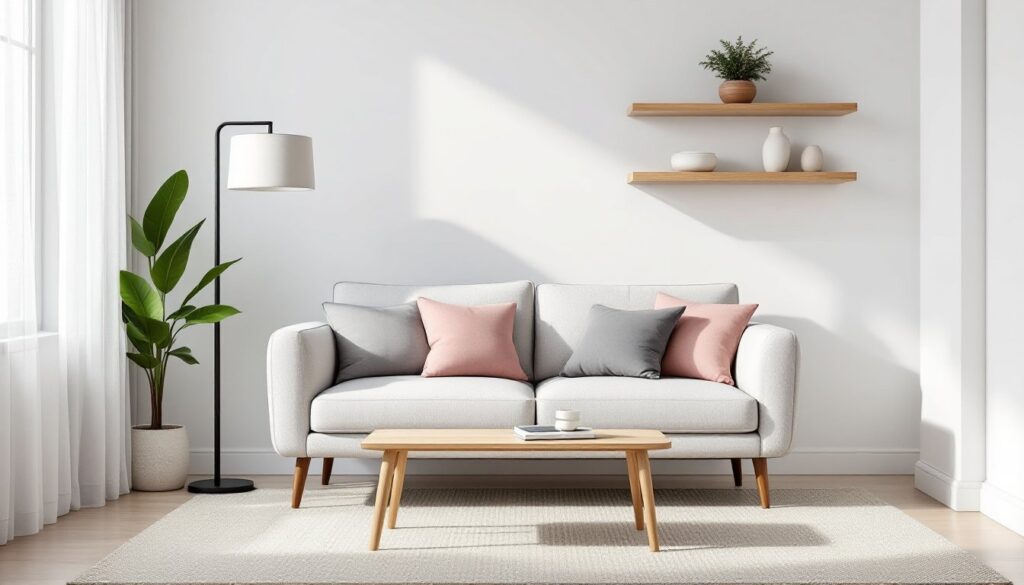
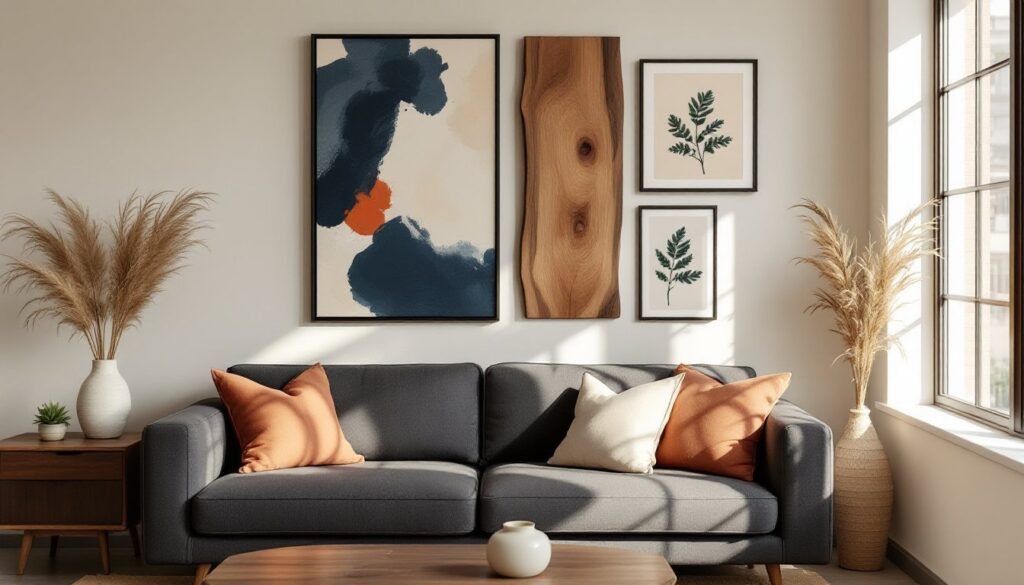
Finding the right seating for a compact living room can feel like solving a puzzle with too many pieces and not enough board. A standard sofa often eats up the bulk of floor space, leaving little room for flexibility or secondary seating. That’s where small chairs come in. They pack full functionality into a smaller footprint, offer design versatility, and let homeowners reconfigure a room without hauling heavy sectionals. Whether outfitting a studio apartment, creating a reading nook, or adding an extra seat that doesn’t overwhelm the floor plan, small chairs deliver on both form and function.
Table of Contents
ToggleKey Takeaways
- A small chair for your living room maximizes functionality in compact spaces by offering flexibility, easy mobility, and design versatility without consuming valuable floor space.
- Popular small chair types include accent chairs (26-32 inches wide), slipper chairs (low-profile and armless), and ottomans with storage, each suited to different room layouts and comfort needs.
- When selecting a small chair, measure clearance (30-36 inches in front), test seat depth and height, prioritize kiln-dried hardwood frames, and verify the chair fits through doorways and hallways.
- Strategic placement transforms a small chair into a functional focal point—use corner positioning for reading nooks, pair two chairs for conversation areas, or float pieces away from walls to create visual depth.
- Elevate style with color contrast, appropriately-scaled patterns, textured fabrics, and statement legs, while layering task lighting ensures the chair becomes an actively used zone rather than a design afterthought.
Why Small Chairs Are Perfect for Modern Living Rooms
Modern living rooms are shrinking. The average new single-family home built in 2025 has smaller common areas than homes built two decades ago, and apartments trend even tighter. A small chair, typically under 30 inches wide, fits where a full-size armchair or loveseat won’t.
Beyond raw dimensions, small chairs offer flexibility. They’re easy to move when vacuuming, rearranging for guests, or repositioning to catch afternoon light. That mobility matters in multipurpose spaces where the living room doubles as a home office, yoga studio, or kids’ play zone.
Small chairs also let designers layer in personality without commitment. Swapping a bold accent chair costs less and takes less effort than replacing a sofa. It’s a low-risk way to test a new color palette, fabric texture, or style direction. And because they occupy less visual and physical space, small chairs work well in rooms with architectural features, bay windows, angled walls, or fireplaces, that make standard furniture layouts awkward.
Finally, small chairs pair well with modular and minimalist trends. Open-concept floor plans benefit from pieces that define zones without blocking sightlines. A single small chair in a corner can anchor a reading area, while a pair flanking a console table creates symmetry and purpose.
Top Types of Small Chairs to Consider for Your Living Room
Accent Chairs and Armchairs
Accent chairs are the workhorses of small living room seating. They typically measure 26 to 32 inches wide and include arms, a defined back, and enough cushioning for extended sitting. Look for models with exposed legs, wood or metal, rather than skirted bases. Elevated frames create visual space underneath, making the room feel less crowded.
Upholstered armchairs in performance fabrics like solution-dyed acrylic or microfiber blends stand up to daily use and clean easily. Leather and faux leather work well in high-traffic homes: they wipe down quickly and develop character over time. For tight budgets, consider unfinished wood-frame accent chairs that can be painted or stained to match existing trim and furniture.
Many interior designers recommend pieces with furniture arranged to maximize flow through narrow or awkwardly shaped rooms. Chairs with a slightly reclined back (around 105 to 110 degrees) offer better comfort than bolt-upright dining-style seats, but avoid deep recliners that take up extra floor space when occupied.
Slipper Chairs and Stools
Slipper chairs sit low to the ground, seat height typically runs 14 to 16 inches versus the standard 18 inches, and lack arms entirely. That armless design shaves several inches off the overall width, letting them tuck into corners, under windows, or alongside narrow console tables.
Slipper chairs work well in formal living rooms or spaces where visual lightness matters more than lounging comfort. They’re not ideal for elderly users or anyone with mobility limitations, since the low seat height makes standing difficult. But for younger households or secondary seating, they’re a smart pick.
Stools and ottomans offer even more flexibility. A backless upholstered stool measuring 18 inches square can serve as a footrest, extra seat, or side table depending on the moment. Nesting stools, sets of two or three in graduated sizes, store under one another and pull out when company arrives. Look for models with reinforced corner blocking and a plywood base rather than particleboard: they’ll hold up better under repeated use.
Ottomans with hidden storage compartments add function in small spaces. A 20-inch cube ottoman can stash throw blankets, remotes, or kids’ toys while doubling as a coffee table when topped with a tray. Just verify the lid mechanism: soft-close hinges prevent pinched fingers and extend hardware life.
How to Choose the Right Small Chair for Your Space
Start by measuring. Not just the chair, but the clearance around it. A chair needs at least 30 to 36 inches of open floor in front for someone to sit down and stand up comfortably. Side clearance depends on arm style, chairs with flared or rolled arms need more room than straight-arm designs.
Measure doorways, stairwells, and hallways if the chair needs to travel to an upper floor or through tight turns. A chair that fits the room but won’t fit through the door is a expensive mistake. Break out a tape measure and note the widest point, including arms and any decorative elements like nailhead trim.
Consider seat depth and height. Seat depth typically runs 18 to 22 inches: deeper seats suit taller users, while shallower perches work better for compact frames. Seat height affects posture and comfort, 17 to 19 inches is the sweet spot for most adults, allowing feet to rest flat on the floor with knees at a 90-degree angle.
Fabric choice impacts durability and maintenance. Homes with pets or kids benefit from tight-weave fabrics with a double rub count above 15,000, that’s the industry measure for abrasion resistance. Velvet and chenille look luxe but show wear and watermarks. Linen and cotton blends age gracefully but stain easily without treatment.
Frame construction matters more than price. Flip the chair over or check the underside. Kiln-dried hardwood frames (oak, maple, beech) joined with corner blocks and dowels last decades. Softwood frames glued and stapled together will loosen and creak within a few years. If the seller won’t disclose frame materials, walk away.
Test before buying when possible. Sit in the chair as you would at home, lean back, cross your legs, shift your weight. An accent chair that feels fine for 30 seconds in a showroom might turn uncomfortable after 20 minutes of reading. Many space-conscious furniture layouts prioritize comfort and proportion over trendy silhouettes that look better than they feel.
Best Placement Ideas for Small Living Room Chairs
Corner placement is the default for small chairs, but don’t stop there. A chair angled into a corner softens hard edges and creates a cozy nook. Add a small side table (12 to 16 inches in diameter) and a floor lamp with a swing arm to build a functional reading zone.
Pair two small chairs facing each other across a narrow coffee table or ottoman. This setup works well in front of a fireplace or under a window, creating a conversation area that doesn’t require a full sofa. Keep the gap between chairs around 24 to 30 inches for easy conversation without shouting.
Float a chair in open floor space if the room layout allows. Floating furniture, positioning pieces away from walls, breaks up boxy floor plans and makes a room feel larger, not smaller. Anchor the chair with a small area rug (4×6 or 5×7 feet) to visually tie it to the space.
Use a small chair to fill dead zones. That awkward spot between a doorway and a bookshelf, the empty stretch beside a console table, or the leftover corner after placing the sofa, these are prime real estate for compact seating. Just verify the chair doesn’t block traffic flow or create a trip hazard.
Window-side placement maximizes natural light and views. Position the chair so someone seated faces the window or sits perpendicular to it, direct sunlight in the eyes gets old fast. If privacy is a concern, pair the chair with adjustable window treatments like cellular shades or sheer curtains that filter light without total blackout.
Avoid pushing all furniture against walls. It’s tempting in a small room, but perimeter-only layouts make spaces feel like waiting rooms. Pull the chair a few inches away from the wall to create breathing room and depth.
Style and Design Tips to Make Your Small Chair Stand Out
Color contrast makes a small chair a focal point. If the room skews neutral, grays, beiges, whites, introduce a jewel tone like emerald, navy, or burnt orange. The chair becomes an anchor that pulls the eye and energizes the palette. Conversely, a neutral chair in a colorful room offers visual rest.
Pattern works when scaled appropriately. Large-scale prints (florals, geometrics, abstract designs with motifs over 6 inches across) read better on small chairs than tiny, busy patterns that look muddy from a distance. Stripes, vertical or horizontal, add movement and can visually lengthen or widen a chair depending on orientation.
Texture adds depth without color. A boucle or shearling chair in cream or oatmeal brings warmth and dimension to minimalist spaces. Leather with visible grain, linen with a slubbed weave, or velvet with directional pile all catch light differently throughout the day, making the chair more dynamic.
Legs and bases contribute to style identity. Tapered wood legs in walnut or oak lean mid-century modern. Turned legs with decorative shaping skew traditional. Metal hairpin or sled legs signal industrial or Scandinavian influence. Match leg finish to other wood tones or metal accents in the room for cohesion, or intentionally mismatch for eclectic energy.
Throw pillows and blankets customize a chair without permanent commitment. A 12×20-inch lumbar pillow supports the lower back and adds a pop of pattern or color. Avoid oversized pillows that overwhelm a small frame, stick to 16×16 inches or smaller. Drape a lightweight throw over one arm for texture and practicality: it’s there when needed but doesn’t clutter the look.
Consider exposed vs. upholstered arms. Exposed wood or metal arms show off craftsmanship and work well in rooms with other wood furniture. Fully upholstered arms offer a softer, more cohesive look and extra comfort for resting elbows during long reading sessions.
Finally, layer lighting around the chair. A small chair in a dim corner won’t get used, no matter how stylish. Add a table lamp with a 3-way bulb for adjustable brightness, a floor lamp with a shade that directs light downward, or a wall-mounted swing-arm sconce if floor space is tight. Many designers featured in small space strategies emphasize that lighting is just as important as the furniture itself when defining functional zones in compact living rooms.