Picture this: a cozy evening at home, a cup of tea in hand, and suddenly, a drip-drip-drip interrupts the tranquility. That’s right, a roof leak has decided to crash the party—thanks, Mother Nature! Homeowners often wonder whether their insurance will swoop in like a superhero to save the day when rain sneaks in through the roof.
Understanding Homeowners Insurance
Homeowners insurance protects against various perils, including damage from roof leaks due to rain. Most standard homeowners insurance policies cover sudden and accidental damage, such as a roof leak caused by a storm. Coverage varies by policy, making it essential for homeowners to review the specific terms and conditions in their insurance agreements.
Many policies include three main components: dwelling coverage, personal property coverage, and liability protection. Dwelling coverage pays for repairs to the actual structure of the home, including the roof. Personal property coverage applies to belongings within the home that may be damaged by leaks. Liability protection helps cover legal expenses in case someone is injured on the property.
Water damage caused by a rain-related roof leak qualifies as a direct peril if the leak occurs unexpectedly. However, damage from poor maintenance or wear and tear might not qualify for coverage. This distinction emphasizes the importance of regular roof inspections and maintenance. Homeowners might need to document the state of their roof and address any issues promptly to ensure coverage remains valid.
Several factors determine coverage limits and exclusions, including the age of the roof, maintenance history, and local regulations. Homeowners should also inquire about additional coverage options, like endorsements specifically for water damage. These provisions can further protect against unforeseen circumstances, providing peace of mind during stormy weather.
Understanding these elements empowers homeowners to make informed decisions and manage risks effectively. Reviewing the policy regularly ensures coverage aligns with current standards and needs.
What Does Homeowners Insurance Typically Cover?
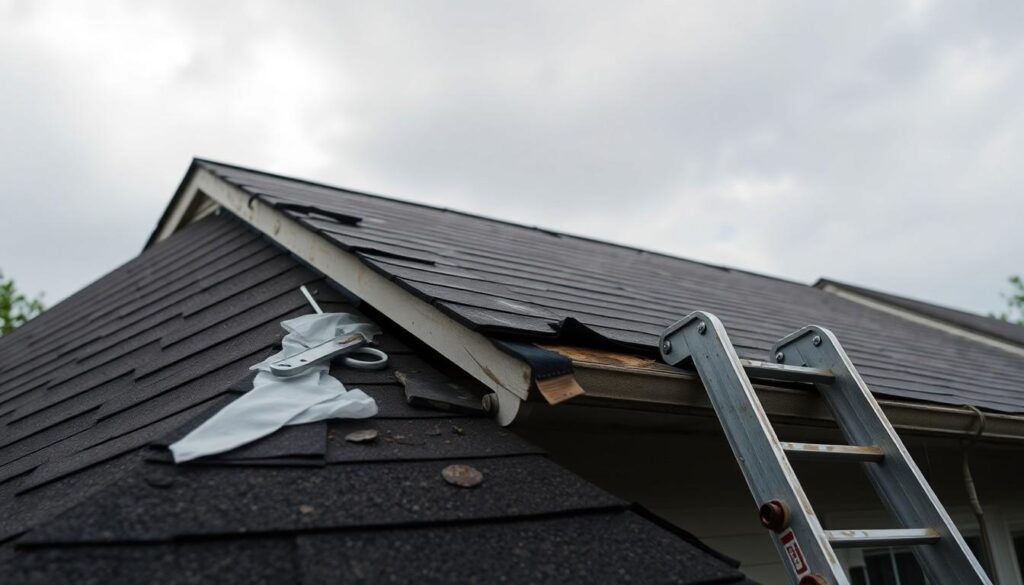
Homeowners insurance generally provides protection against specific perils, including roof leaks from rain. Coverage typically includes various components that safeguard against potential damage.
Standard Coverage for Roof Damage
Standard policies cover roof damage from sudden events like storms or heavy rain. If a leak occurs due to a weather event, homeowners can expect their dwelling coverage to help pay for necessary repairs. Repair costs for both the roof’s structure and any related interior damage may qualify for reimbursement. Personal property coverage protects items affected by the leak, such as furniture or electronics. It’s important for homeowners to review their individual policy terms to confirm what specific roof damage situations are included.
Exclusions to Be Aware Of
Certain exclusions could limit coverage for roof leaks under homeowners insurance. Damage resulting from lack of maintenance or wear and tear typically does not qualify for protection. Homeowners may face challenges if their roof is old or has not undergone regular inspections. Policies may also specifically exclude coverage for leaks caused by inadequate repairs or installations. Ignoring these factors can lead to unexpected out-of-pocket expenses, so understanding policy limitations becomes crucial for adequate financial planning.
Does Homeowners Insurance Cover Roof Leaks from Rain?
Homeowners insurance often provides protection against roof leaks from rain, but certain conditions apply. Specific policy terms dictate the extent of that coverage.
Conditions for Coverage
Coverage for roof leaks depends on the cause and circumstances surrounding the leak. Insurance policies typically cover sudden and accidental leaks caused by storms or heavy rainfall. Homeowners must maintain their roofs adequately; damage resulting from neglect or lack of maintenance usually won’t qualify for coverage. Additionally, the age of the roof can impact coverage qualifications; older roofs may face stricter scrutiny regarding claims. Homeowners should review their policy terms carefully to understand what is covered and determine if additional endorsements might be beneficial.
Claim Process for Roof Leaks
Initiating a claim for a roof leak begins with documentation. Homeowners should take detailed photographs of the damage and collect any repair estimates. Next, they must contact their insurance company’s claims department promptly. An adjuster often evaluates the situation, assessing the extent of damage and verifying the cause. Maintaining clear records throughout this process aids in substantiating the claim. Once the investigation concludes, the insurance company will communicate their decision regarding coverage and payout. Understanding the claims process streamlines the experience and enhances the likelihood of receiving benefits.
Factors Influencing Coverage
Several factors determine whether homeowners insurance covers roof leaks from rain. Understanding these elements can help homeowners better navigate their policies.
Age and Condition of the Roof
Roof age significantly impacts coverage eligibility. Insurers often scrutinize the roof’s age during claims assessments. A roof over 20 years old might incur higher scrutiny, particularly if leaks arise from wear and tear. Damaged or poorly maintained roofs generally face exclusions from coverage. Regular inspections and timely maintenance help provide a solid defense against potential claim denials. Maintaining an updated roof also contributes to greater insurance benefits.
Type of Roof Material
The material of the roof plays a crucial role in insurance coverage as well. Different materials possess varying lifespans and resilience against the elements. Asphalt shingles are often the most common and usually provide comprehensive coverage options. Conversely, certain materials, like thatched roofs, may lack options in standard policies. In the event of a leak, the type of roofing can determine both repair costs and coverage limits. Homeowners should consider the specific advantages and limitations associated with their roof material when assessing their policy.
Alternatives If Coverage Is Denied
Homeowners facing denial of coverage for roof leaks have several alternatives to explore. First, they can appeal the insurance company’s decision by providing additional documentation. Gather evidence such as detailed photographs of the damage, maintenance records, and repair estimates to strengthen the case.
Second, seeking assistance from a public adjuster can help in negotiating with the insurance provider. Public adjusters specialize in maximizing claims and can offer valuable expertise in navigating complicated policy terms.
Third, if insurance coverage remains denied, homeowners might consider financing options for repairs. Home repair loans or personal loans can provide immediate funds necessary to address urgent roof issues. Many financial institutions offer affordable loan options with flexible repayment terms.
Fourth, utilizing home equity can serve as another alternative. Homeowners can tap into their home equity through a line of credit or a loan to secure funding for roof repairs. This option allows for leveraging the existing value of the home while addressing critical repairs.
Lastly, local community support programs may assist with home repairs. Many municipalities offer resources for residents facing financial hardships, often through grants or low-interest loans. Researching available community assistance can yield helpful options.
These alternatives present viable paths for homeowners needing to address roof leaks. Properly evaluating each option enables informed decisions tailored to specific circumstances and financial situations.
Homeowners facing roof leaks from rain can find some peace of mind knowing that their insurance may cover the damage. Understanding the nuances of individual policies is essential to ensure adequate protection. Regular maintenance and inspections play a critical role in validating coverage and preventing claims from being denied due to neglect.
For those who encounter challenges with coverage, exploring alternatives like appealing decisions or seeking local assistance can provide additional support. By staying informed and proactive, homeowners can effectively manage risks associated with roof leaks and safeguard their investments.