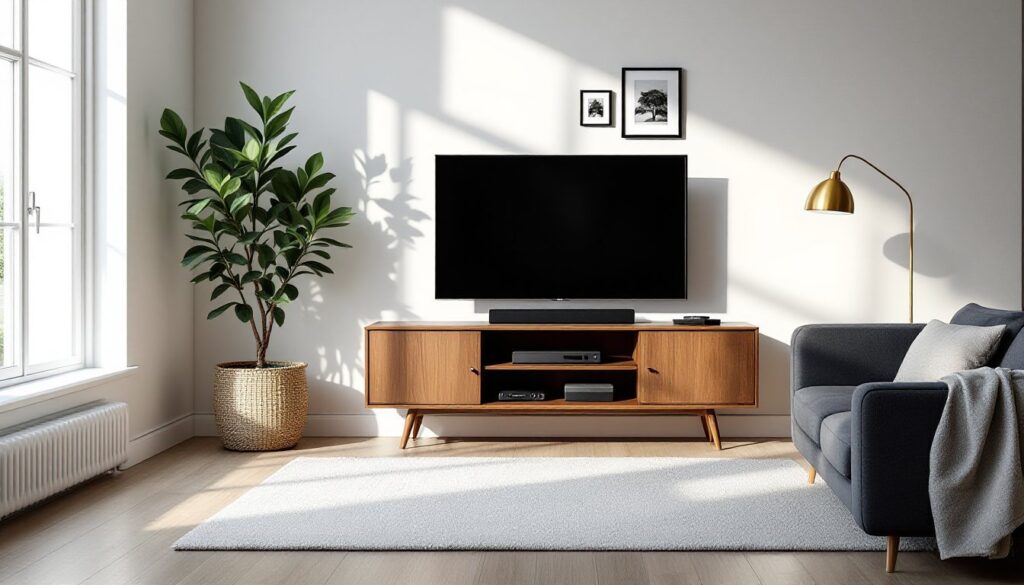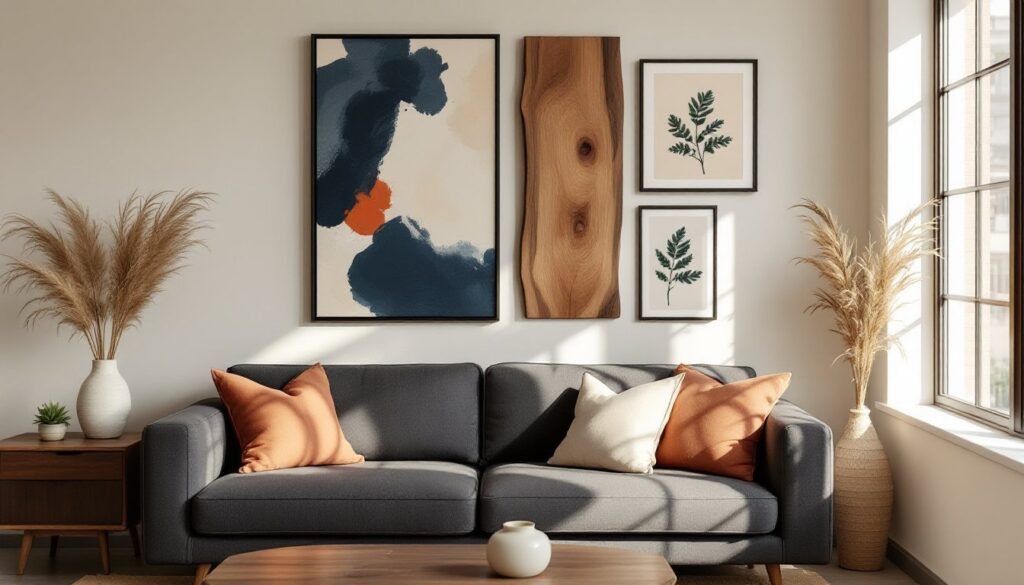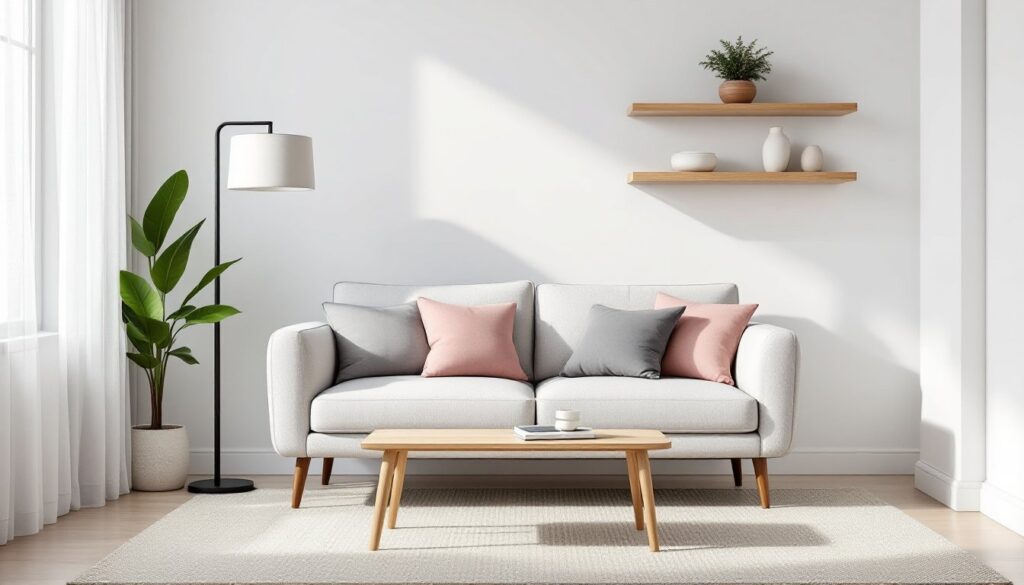
Finding the right seating for a compact living room doesn’t mean sacrificing comfort or style. A small sofa solves the problem of tight square footage while still offering a functional centerpiece for relaxing, entertaining, and everyday use. Whether the space is a studio apartment, a cozy den, or a main living area with limited wall length, choosing a properly sized sofa makes the difference between a cramped room and one that feels intentional and inviting. This guide walks through the key considerations for selecting, measuring, and styling a small sofa that fits the room and the lifestyle of those who live there.
Table of Contents
ToggleKey Takeaways
- A small sofa for living rooms typically measures 60–72 inches wide, making it ideal for apartments, condos, and compact spaces while maximizing floor area for movement and additional furniture.
- Prioritize solid hardwood frames and high-density foam (1.8 lb/ft³ or higher) to ensure durability and long-term comfort in your small sofa investment.
- Measure doorways, hallways, and available wall space before purchasing, and use painter’s tape to mock up the sofa’s footprint to ensure it fits both physically and aesthetically.
- Light neutral colors, lower-profile designs with exposed legs, and paired accent furniture at varying heights make a small sofa feel spacious and intentional in tight living rooms.
- Loveseats, apartment sofas, and modular designs offer flexibility for different household needs, with sleeper options adding guest sleeping capacity without requiring extra space.
Why a Small Sofa Is the Perfect Choice for Your Living Room
Small sofas are designed for flexibility. They fit rooms where a full-sized sectional or standard three-seat sofa would dominate the floor plan, block traffic flow, or visually overwhelm the space. Most measure between 60 and 72 inches in width, compared to standard sofas that run 84 inches or more.
A compact sofa opens up floor space for side tables, storage, or movement. This is critical in apartments, condos, or older homes with smaller room dimensions. It also allows for more creative furniture arrangements, placing a sofa at an angle, floating it away from walls, or pairing it with accent chairs without crowding.
For renters or frequent movers, small sofas are easier to navigate through doorways, stairwells, and hallways. They’re also lighter, making repositioning or deep cleaning less of a chore. And in multi-use spaces, like a living room that doubles as a home office or guest room, a smaller footprint keeps the room adaptable.
Finally, small sofas tend to cost less than their full-sized counterparts, both upfront and over time. Less fabric, fewer cushions, and lighter frames translate to lower material costs. For anyone furnishing a first home or working within a budget, that difference matters.
Key Features to Look for When Choosing a Small Sofa
Start with frame construction. Solid hardwood frames (oak, maple, or birch) offer durability and longevity. Engineered wood or plywood frames are common in budget models and hold up fine for light to moderate use, but they won’t last as long under heavy daily wear. Metal frames are increasingly popular in modern designs and provide excellent strength-to-weight ratios.
Cushion fill affects comfort and maintenance. High-density foam (1.8 lb/ft³ or higher) holds its shape better than low-density foam and resists sagging. Down or down-blend fills offer a softer, more luxurious feel but require regular fluffing. Some designs use a combination: foam cores wrapped in down or polyester fiber for support with surface softness.
Pay attention to seat depth. Standard seat depth is 20 to 22 inches, but compact sofas sometimes reduce this to 18 or 19 inches to save space. That’s fine for perching or conversation, but it may feel shallow for long lounging sessions. Test it in person if possible, or check return policies when ordering online.
Upholstery choice depends on use and household needs. Tightly woven synthetics like microfiber or polyester blends resist stains and wear well in high-traffic areas. Natural fabrics like cotton or linen offer breathability and a softer hand but may require more upkeep. Leather and faux leather are durable and easy to wipe clean, though they can feel sticky in humid climates.
Leg style and height influence both aesthetics and practicality. Exposed legs, tapered wood, hairpin metal, or turned styles, make a sofa feel lighter and allow for easier vacuuming underneath. Skirted or low-profile designs can hide storage baskets but trap dust and require more effort to clean beneath.
Consider whether the sofa includes hidden storage or a sleeper mechanism. Some compact sofas feature lift-up seats with storage compartments, useful in apartments or homes with limited closet space. Sleeper sofas with pull-out or fold-down mattresses add guest sleeping capacity, though they typically add weight and cost.
Popular Small Sofa Styles and Designs for Every Home
Loveseats and Compact Two-Seaters
Loveseats are the most common small sofa format. They’re designed to seat two people comfortably, with widths ranging from 52 to 64 inches. Traditional loveseats mirror full-sized sofa silhouettes, rolled arms, tufted backs, skirted bases, just scaled down.
Compact two-seaters lean modern, with streamlined arms, low backs, and exposed legs. Track arms (flat, squared-off edges) save a few inches compared to rolled or English arms. These inches add up when wall space is tight. Mid-century modern loveseats with angled legs and button-tufted backs fit well in retro or eclectic rooms, while Scandinavian-inspired designs emphasize clean lines and natural wood tones.
Many interior design experts recommend loveseats with modular flexibility, allowing homeowners to swap configurations as needs change. Some loveseats ship as modular units, letting owners add or remove armless sections or ottomans over time.
Apartment Sofas and Settees
Apartment sofas are purpose-built for small spaces, typically measuring 68 to 76 inches wide, slightly larger than a loveseat but narrower than a standard sofa. They offer more seating capacity without the bulk. Most feature shallower arm profiles and lower backs to maintain sightlines and reduce visual weight.
Settees occupy the niche between loveseats and benches. They’re upholstered seating pieces, often with exposed wood frames, curved backs, and a more formal appearance. Widths run 50 to 60 inches, and they work well in entryways, bedrooms, or formal living rooms. The lighter aesthetic of a settee can make a room feel less furniture-heavy.
For those interested in unique vintage or curated looks, design communities focused on small-space furniture often showcase settees and apartment sofas in real home tours. Sleeper versions of apartment sofas are available, usually with twin or full-sized mattresses that fold out from beneath the seat cushions.
How to Measure Your Space for the Perfect Sofa Fit
Start by measuring the available wall or floor space where the sofa will sit. Use a tape measure and note the width, depth, and height in inches. Don’t assume symmetry, older homes often have uneven walls or floors.
Add clearance space. Leave at least 30 to 36 inches in front of the sofa for a coffee table and walkway. If the sofa backs up to a hallway or entryway, ensure there’s enough room to walk behind it comfortably, typically 24 to 30 inches.
Measure doorways, hallways, and stairwells along the delivery path. The sofa needs to physically fit through these spaces. Measure the narrowest point, accounting for door trim, handrails, and tight corners. Many manufacturers list the sofa’s shipping dimensions (often smaller if legs are detached), but confirm before ordering.
Consider the sofa’s depth (front to back). Standard sofas are 36 to 40 inches deep: compact models range from 28 to 34 inches. In a narrow room, a shallower sofa prevents the space from feeling crowded and allows easier movement around furniture.
Use painter’s tape or cardboard to mock up the sofa’s footprint on the floor. This gives a visual sense of scale and helps spot potential issues with traffic flow, window placement, or HVAC vents.
Account for reclining or sleeper mechanisms if applicable. Sleeper sofas need additional clearance behind or in front to fully extend. Reclining loveseats require 12 to 18 inches of wall clearance depending on the model.
Double-check arm width. Sofa arms can add 6 to 10 inches to the overall width. A sofa listed as 72 inches wide might have a seat width of only 60 inches once arms are subtracted. If seating capacity is a priority, compare seat width rather than overall width across models.
Decorating Tips to Maximize Style in a Small Living Room
Choose a sofa color that works with the room’s lighting and palette. Light neutrals, beige, gray, soft white, reflect light and make the space feel larger. Darker hues add drama but can visually shrink a room unless balanced with lighter walls or rugs. Bold colors and patterns work well in small doses, especially if the sofa is the room’s focal point.
Pair the sofa with furniture at varying heights. A low-profile sofa looks best with a coffee table that sits slightly lower than the seat cushions, around 16 to 18 inches tall. Add a floor lamp or tall plant in the corner to draw the eye upward and break up horizontal lines.
Use an area rug to anchor the seating area. The rug should extend at least 6 inches beyond the sofa’s front legs, or ideally, fit under the front legs of all seating pieces. This grounds the furniture and defines the space visually, which is helpful in open-concept layouts.
Wall-mounted shelving or floating consoles free up floor space and provide storage without adding bulk. Keep the sofa’s back clear if possible to maintain flow, but a narrow console table (10 to 12 inches deep) behind the sofa can hold lamps, books, or decor without intruding.
Interior design platforms offering room layout inspiration frequently feature small living rooms with multi-functional furniture and smart styling tricks. Layer throw pillows and blankets to add texture and warmth. Stick to odd numbers, three or five pillows, for a balanced look. Avoid oversized pillows that eat into seating space.
Mirrors amplify natural light and create the illusion of depth. Place one opposite a window or above the sofa to reflect light into the room. Vertical artwork or tall mirrors also emphasize ceiling height.
Keep traffic paths clear. A well-placed small sofa shouldn’t block doorways, windows, or heating vents. If the room has multiple entry points, arrange furniture to guide movement naturally rather than forcing awkward detours.