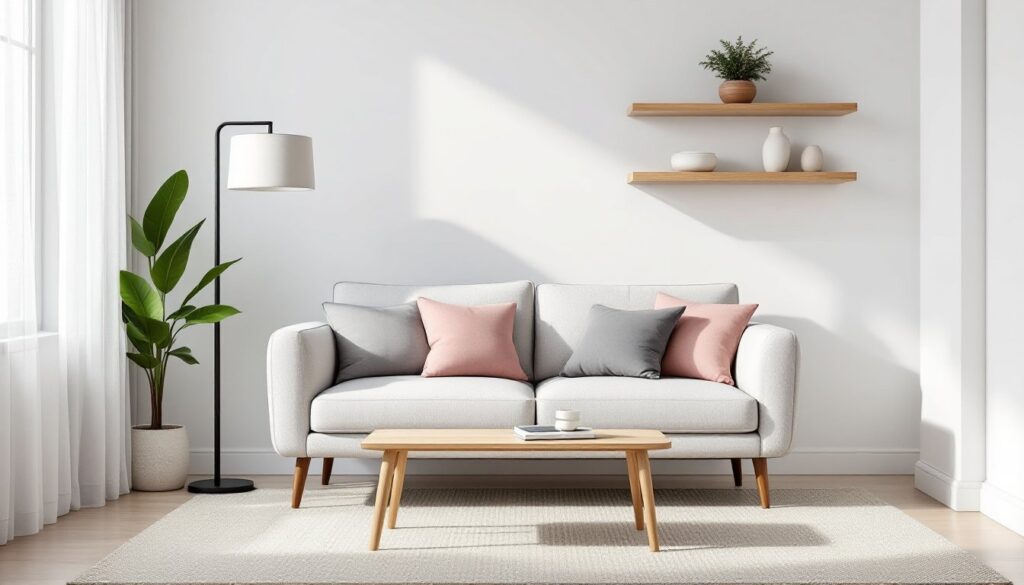
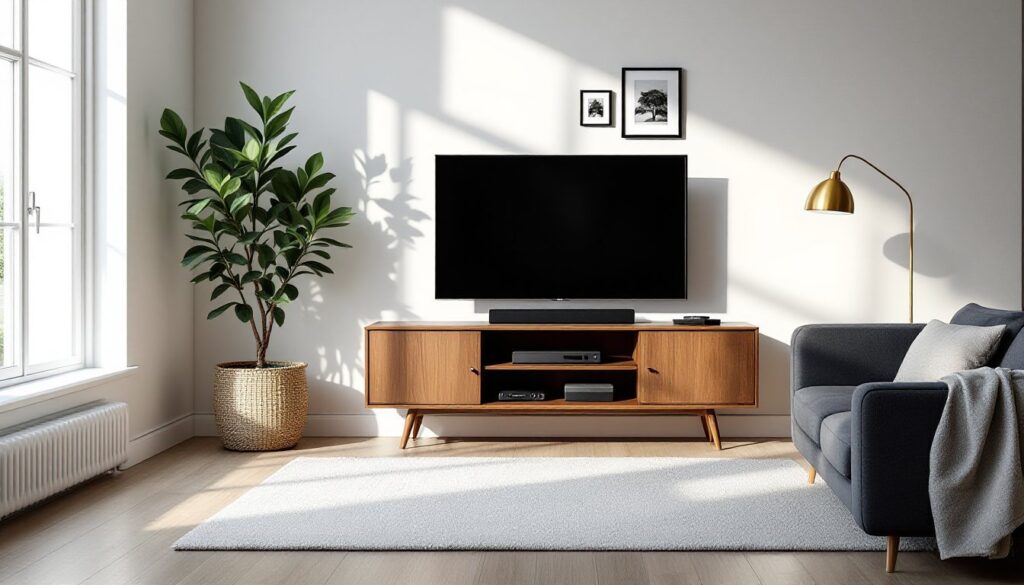
Fitting a sectional into a small living room sounds counterintuitive, like parking an F-150 in a one-car garage. But the right sectional can actually solve the exact problems that make compact spaces frustrating: awkward layouts, wasted corner footage, and the eternal struggle to seat more than three people comfortably. The trick isn’t avoiding sectionals in tight quarters. It’s knowing which configurations, dimensions, and features turn a bulky furniture piece into a smart, space-efficient anchor for your room.
Table of Contents
ToggleKey Takeaways
- A small living room sectional transforms compact spaces by eliminating wasted corners and dead zones while providing four to five seats in the footprint of a traditional sofa-loveseat combination.
- Choose compact sectionals with dimensions around 75×60 inches or smaller, preferably 32–34 inches deep with lower backs (30–32 inches high) to maximize visual space and maintain room airiness.
- Measure your usable furniture zone by subtracting 30–36 inches from each wall dimension, then use painter’s tape to test the sectional’s footprint before purchasing to ensure proper traffic flow and clearance around fixtures.
- Opt for mid-century modern or low-profile contemporary styles with exposed legs, slim arms, and track-arm configurations to reduce visual weight and create the illusion of more floor space.
- Maximize functionality with smart features like storage chaises, removable ottomans, or sleeper mechanisms, but avoid overly complicated add-ons unless they genuinely solve problems in your space.
- Position your sectional anchored in a corner when possible, pair it with appropriately scaled furniture (coffee table no larger than two-thirds the sectional’s longest side), and use layered lighting and light-colored rugs to enhance the sense of openness.
Why a Sectional Works Perfectly in Small Spaces
A standard sofa-plus-loveseat arrangement often creates dead zones and awkward pathways in compact rooms. Sectionals eliminate that wasted negative space by hugging corners and walls, turning typically unused real estate into functional seating.
Consider the footprint. A traditional three-seat sofa runs roughly 84 inches long and pairs with a loveseat around 58 inches. That’s two separate pieces, two visual breaks, and at least 18–24 inches of walking space between them. A small L-shaped sectional occupies a similar overall area but reads as a single cohesive unit, often providing four to five seats in the same square footage.
Sectionals also create natural traffic flow. The L-configuration guides movement around the furniture rather than through the middle of the room. In spaces where every inch counts, think 10×12-foot or 12×14-foot living rooms, that matters. You’re not constantly navigating around coffee table corners or squeezing between seat backs.
Modern small-scale sectionals are designed with proportional depth, too. Standard residential sofas sit 36–40 inches deep, but compact sectionals often measure 32–34 inches, freeing up floor space without sacrificing comfort. That difference might seem minor on paper, but it’s the margin between a cramped room and one that breathes.
Choosing the Right Size and Configuration
Not all sectionals are created equal, and the wrong size or shape turns a smart purchase into a clunky regret. Start by understanding the basic configurations.
L-shaped sectionals are the most common and versatile. They consist of a longer sofa side (usually 76–84 inches) and a shorter chaise or corner section (60–72 inches). This works well in square or slightly rectangular rooms where you can anchor the sectional against two perpendicular walls.
Reversible sectionals let you swap the chaise from left to right, which is critical if you’re not certain about your layout or plan to move. Some models use modular pieces that detach and reconfigure entirely, handy for renters or anyone who shifts furniture seasonally.
Apartment-size or compact sectionals are purpose-built for small footprints, with overall dimensions closer to 75×60 inches or even smaller. These often sacrifice a deep chaise for a bumper or corner wedge, keeping the seating count high without eating the room alive.
Avoid oversized sectionals marketed as “cozy” or “family-sized.” If the total perimeter exceeds 150 inches in a small room, you’ll struggle with proportion and circulation.
Measuring Your Space and Planning the Layout
Grab a 25-foot tape measure and map your room before you browse. Measure wall-to-wall, then subtract 30–36 inches from each dimension to account for walkways, doorways, and breathing room. That’s your usable furniture zone.
Mark door swings, baseboards, heating vents, and outlets. A sectional placed over a floor register is a fire hazard and an HVAC efficiency killer. Similarly, blocking the only outlet on a wall creates extension cord chaos.
Use painter’s tape to outline the sectional’s footprint on your floor. Live with it for a day or two. Walk the room. Sit in different spots. You’ll quickly learn if the layout works or if you’re constantly brushing against the armrest to reach the bookshelf.
Pay attention to sight lines. In small spaces, furniture placement affects how large the room feels. A sectional with a low back (30–32 inches high) keeps the visual plane open, while a tall, tufted back (36+ inches) can make walls feel closer. Interior designers working on compact room layouts often recommend lower profiles to maintain airiness.
Don’t forget clearance for reclining mechanisms if you’re considering a sectional with built-in recliners. Those need 4–6 inches behind the seat back to function, something that won’t work if you’re pushing the sectional flush against a wall.
Best Sectional Styles for Compact Living Rooms
Style isn’t just aesthetics, it’s about visual weight and physical bulk. Some sectional designs amplify a cramped feeling, while others make the same square footage feel open and intentional.
Mid-century modern sectionals with tapered wooden legs lift the body off the floor, creating visible space underneath. That 6–8 inches of clearance lets light and sight lines pass through, tricking the eye into perceiving more room. Bonus: easier to vacuum.
Low-profile contemporary sectionals emphasize horizontal lines and slim arms (often 4–6 inches wide instead of the traditional 8–10 inches). Tight upholstery without excessive cushioning keeps the silhouette clean. These work especially well in rooms with low ceilings (under 8 feet), where bulky furniture exaggerates the squeeze.
Track-arm or square-arm sectionals maximize seating surface. Rounded or rolled arms look softer but eat into usable seat width, sometimes by 3–4 inches per side. In a small sectional, that’s meaningful real estate.
Avoid overstuffed English roll arms, deep button tufting, and heavy skirts. They add visual and physical mass that small rooms can’t absorb. Similarly, dark fabrics (charcoal, navy, chocolate) can make a sectional feel heavier than lighter neutrals like greige, oatmeal, or soft gray.
Many furniture design guides recommend sectionals with exposed frames or metal accents in small spaces, as these materials reflect light and add an industrial airiness that traditional upholstered pieces lack.
Smart Features That Maximize Functionality
In a small living room, every piece of furniture needs to pull double duty. Sectionals with built-in features can replace entire secondary pieces, freeing up space and reducing clutter.
Sleeper sectionals convert from seating to a full- or queen-size bed. Modern mechanisms are far better than the old bar-in-your-back models, look for memory foam or hybrid mattresses rated for nightly use if you’re housing frequent guests. Be aware: sleeper sectionals add weight and typically require 36–48 inches of clearance in front to fully extend.
Modular sectionals with removable ottomans let you rearrange on the fly. Use the ottoman as a chaise extension during movie night, then separate it as a coffee table or extra seating when you’re entertaining. Just confirm the modules lock or connect securely, cheap modular sectionals tend to drift apart on hardwood or tile.
Built-in USB ports and power outlets are increasingly common on armrests or rear panels. Handy if your living room doubles as a workspace and you’re tired of snaking charger cables across the floor.
If you’re limited on surface area for side tables, sectionals with wide, flat arms (8+ inches) double as drink perches or laptop stands. Some models even include drop-down tray tables or cup holders integrated into the armrest, borrowing from theater seating design.
Storage Solutions and Convertible Options
Storage-equipped sectionals are game-changers in tight quarters. Chaise storage compartments lift to reveal space for throw blankets, board games, or off-season pillows. Typical capacity runs 4–6 cubic feet, enough to replace a small storage ottoman.
Under-seat drawers on rails offer another option, though they require clearance to pull out, plan for at least 12–16 inches in front of the sectional if you go this route.
Some sectionals feature hidden compartments in the armrests or back cushions. These are smaller (think remotes, charging cables, reading glasses) but keep daily clutter off your coffee table.
Convertible sectionals with adjustable backs let you shift from upright seating to a lounger angle without a recliner mechanism. Simpler, lighter, and less prone to mechanical failure.
Avoid sectionals with overly complicated features unless you’ll genuinely use them. Built-in speakers, massage functions, and motorized headrests add cost, weight, and potential maintenance headaches. Stick to features that solve real problems in your space.
Placement and Styling Tips for Small Room Success
Even a perfectly sized sectional can fail if placed poorly. Here’s how to position and style it for maximum impact in a compact room.
Float the sectional if your room shape allows. Pushing furniture against walls is the default move, but floating a sectional 12–18 inches off the wall creates a walkway behind it and defines separate zones in an open-plan space. This works best in rooms at least 12 feet wide.
If floating isn’t an option, anchor the sectional in a corner and use the open end to create flow toward a focal point, fireplace, window, or TV. Avoid blocking natural light sources: a sectional in front of your only window kills both daylight and the room’s visual depth.
Scale your coffee table appropriately. In a small room, a coffee table shouldn’t exceed two-thirds the length of your sectional’s longest side. Opt for clear acrylic, glass, or open-frame designs to maintain sight lines. Nesting tables offer flexibility when you need surface area but want to tuck them away otherwise.
Use rugs to anchor and expand. A rug should extend 12–18 inches beyond the sectional’s footprint on all sides. Too small, and it looks like a bath mat. An 8×10-foot rug works for most compact sectionals: go larger if your room allows. Light-colored or low-pile rugs help the space feel open.
Layer lighting to avoid a cave effect. Small rooms with a single overhead fixture and a large sectional often feel dim and closed-in. Add a floor lamp behind the sectional’s corner or a pair of table lamps on a console table. Aim for three light sources minimum in the room.
Keep décor minimal. A sectional is a substantial visual anchor, don’t compete with it. Choose two or three throw pillows in coordinating colors rather than a dozen mismatched cushions. A single throw blanket draped over the chaise is enough. Overcrowding a small sectional makes it look cluttered and the room feel smaller.
Mind your wall color. Dark walls can work in small spaces, but they require careful lighting and contrast. If your sectional is a bold color, keep walls neutral. If the sectional is neutral, you have more freedom to add color elsewhere, accent wall, curtains, artwork.
Finally, leave at least 30 inches of clearance between the sectional’s edge and any other major furniture piece (TV stand, bookcase, etc.). Any less, and you’re in shin-bruising, furniture-bumping territory.