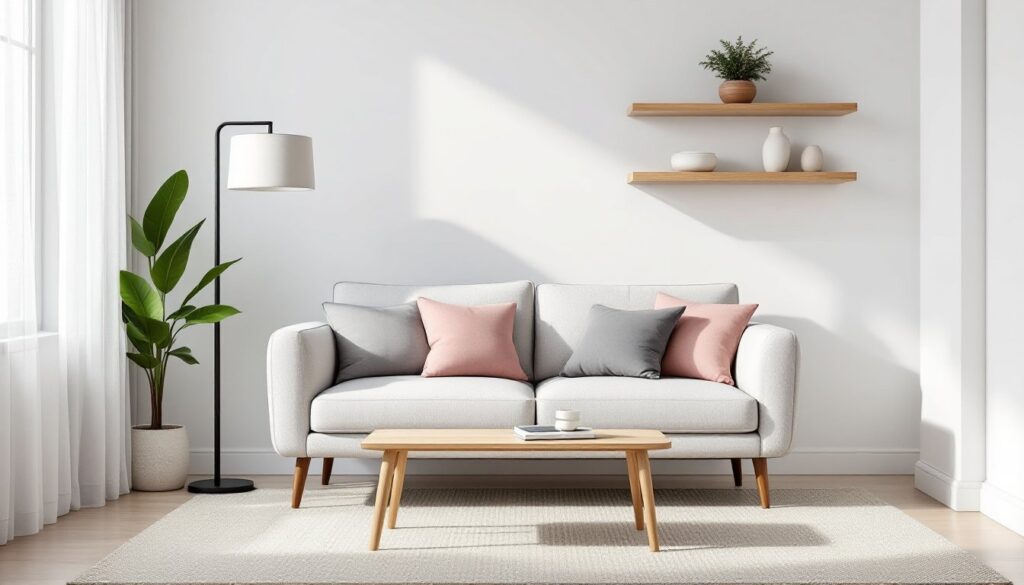
Shopping for a small coffee table isn’t just about picking the prettiest piece, it’s about finding the right proportions, materials, and features that work with your actual living room layout. A table that’s too large crowds the space and kills traffic flow. Too small, and it feels like an afterthought floating in the middle of nowhere. With living rooms trending smaller (especially in condos, townhomes, and apartments), the demand for compact, functional coffee tables has never been higher. This guide walks through the measurements, materials, and smart features that make a small coffee table work hard without taking up too much real estate.
Table of Contents
ToggleKey Takeaways
- A small coffee table (30-40 inches) is ideal for modern living rooms because it opens up circulation space and complies with comfort standards while fitting modern homes that are 12-20% smaller than homes from the 1990s.
- Proper sizing requires measuring your sofa length (aim for two-thirds of sofa length), matching table height to seat height (16-18 inches standard), and maintaining 12-18 inches of clearance from the sofa plus 24-30 inches on open sides for traffic flow.
- Solid wood tables ($200-$600) offer durability and aging character, while glass-top tables create visual space, metal tables provide industrial appeal, and engineered wood offers a budget-friendly option for renters planning to upgrade in 3-5 years.
- Space-saving features like lift-top mechanisms, storage compartments, nesting tables, and caster wheels transform a small coffee table into a multifunctional piece that adapts to different activities and room layouts.
- Center your small coffee table to your main seating arrangement, anchor it with a properly sized rug (5×8 or 6×9 feet), and style with intention using a one-tray-plus-one-vertical-element formula while keeping the surface half-clear for actual use.
- Open leg styles and minimal base designs make cleaning easier and prevent a small table from feeling visually heavy or overwhelming the room.
Why Small Coffee Tables Are Perfect for Modern Living Rooms
Small coffee tables (typically 30-40 inches in length) have become the go-to choice for homes built or renovated in the past two decades. New construction living rooms average around 12×18 feet, down from the 14×20 standard of the 1990s. That means every piece of furniture needs to earn its footprint.
A compact coffee table opens up circulation space, critical when you’re navigating around a sectional sofa or reclining loveseat. Instead of guests doing a sideways shuffle to reach the couch, they can move freely. This matters more than most people realize: building codes (IRC) require a minimum 36-inch clearance for main walkways, and while that’s for hallways and exits, the principle translates to comfortable living room flow.
Smaller tables also give decorators more flexibility. You can pair them with ottomans, nesting tables, or side tables without creating a furniture traffic jam. They’re easier to relocate when hosting (game night, kids’ playtime, yoga session), and they don’t visually dominate the room. In open-concept layouts where the living room flows into the kitchen or dining area, a streamlined coffee table maintains sightlines instead of chopping up the space.
Another bonus: they’re easier to move solo. A 48-inch solid wood table can weigh 60-80 pounds. A well-built small table in the 30-36 inch range typically weighs 25-40 pounds, manageable for one person during cleaning or rearranging.
Key Measurements and Sizing Guidelines
Getting the dimensions right is the difference between a coffee table that feels custom-fit and one that’s constantly in the way. Start with the sofa length as your anchor point. The table should be roughly two-thirds the length of your sofa. For a standard 72-inch sofa, that puts you in the 42-50 inch range, but if you’re working with a loveseat (58-64 inches), a 30-40 inch table is the sweet spot.
Height matters just as much. Standard coffee table height is 16-18 inches, which aligns with most sofa seat heights (17-19 inches). You want the table surface within 1-2 inches of the seat cushion height. If your sofa sits lower (common with modern, low-profile designs), look for tables in the 14-16 inch range. Setting a drink or remote on a table that’s 4 inches below seat level gets old fast.
Clearance is the dimension most DIYers overlook. Leave 12-18 inches between the table edge and the sofa. Less than 12 inches feels cramped, you’re constantly bumping knees. More than 18 inches, and you’re doing a lunge to reach your coffee mug. If you’ve got a sectional, measure from the chaise or the closest seat, not the far corner.
For side clearance (the space around the table for walking), aim for at least 24-30 inches on the open sides. This keeps traffic flowing and prevents that trapped-behind-the-furniture feeling, especially if you have a rug anchoring the seating area.
One more tip: if you’re building or buying a round or oval table, use the diameter as your “length” measurement. A 36-inch round table works beautifully in front of a loveseat and offers better flow in tight quarters since there are no sharp corners to navigate.
Best Materials and Styles for Small Coffee Tables
Material choice affects durability, maintenance, and how the table fits your room’s aesthetic. Each option has trade-offs worth knowing before you commit.
Wood, Glass, and Metal Options Compared
Solid wood tables (oak, walnut, maple) are durable and age well, developing character over time. A properly finished hardwood table can last decades. Expect to pay $200-$600 for a quality small table, depending on species and joinery. Look for mortise-and-tenon joints or dovetails at leg connections, they hold up better than pocket screws or dowels. The downside? Weight and maintenance. You’ll need coasters, and spills require fast cleanup to avoid water rings. For those interested in small space living ideas, wood offers warmth that visually grounds a room without adding bulk.
Engineered wood (MDF with veneer, plywood) costs less ($100-$300) and comes in more finishes, but it won’t hold up to moisture or repeated moves. If a corner gets dinged, you can’t sand and refinish it like solid wood. It’s a solid choice for renters or anyone planning to upgrade furniture in 3-5 years.
Glass-top tables (tempered glass over metal or wood frames) create visual space, they don’t block sightlines, making rooms feel larger. Tempered glass is 4-5 times stronger than standard glass and shatters into pebbles instead of shards if broken. Maintenance is constant, though: fingerprints, dust, and smudges show up instantly. Windex becomes your new best friend. Prices run $150-$500.
Metal tables (steel, iron, aluminum) offer an industrial or modern vibe and hold up to heavy use. Powder-coated finishes resist scratches and are easy to wipe clean. They pair well with leather or fabric sofas and work in both rustic and contemporary spaces. Weight varies, steel can be hefty, aluminum stays light. Budget $180-$550 depending on finish quality and design complexity.
Mixed-material tables combine wood tops with metal bases or glass insets with wood frames. These designs offer the best of both worlds, durability where you need it, lightness where it helps. They also give you more design inspiration options if you’re trying to bridge multiple styles in an eclectic room.
Space-Saving Features to Look For
Lift-top mechanisms turn a coffee table into a work-from-home desk or dining surface. The top raises and extends forward, bringing the surface closer to you while seated. These typically add $50-$100 to the price but eliminate the need for a separate laptop desk. Most lift-tops use spring-loaded hinges or gas pistons, test the mechanism in-store if possible. Cheap versions stick or sag after a few months.
Storage compartments, shelves, drawers, or hidden cubbies under a flip-top, keep remotes, coasters, and magazines out of sight. A single 12×18 inch drawer or open shelf can replace a side basket or storage ottoman. Just avoid overstuffing: these compartments are shallow (usually 3-5 inches deep) and not meant for heavy storage.
Nesting tables give you flexibility. A small primary table with one or two smaller pull-out tables underneath means extra surface area when hosting, then tucks away when you need floor space. This setup works especially well in modern home decor trends leaning toward minimalism and multifunctional furniture.
Caster wheels (locking or non-locking) make a table mobile. You can roll it aside for vacuuming, slide it closer for a board game, or tuck it into a corner when you need open floor space. Make sure wheels are at least 2 inches in diameter and have a weight rating that exceeds the table’s loaded weight. Cheap casters scratch hardwood and jam on rugs.
Foldable or expandable tables are rare in the coffee table category, but some designs feature drop-leaf sides or extending panels. These are more common in dining furniture, but if you find one, they’re gold for flex spaces (living room that doubles as guest room or playroom).
Don’t overlook leg style. Hairpin legs, tapered legs, or trestle bases with open space underneath make cleaning easier and create visual breathing room. Solid block bases or panel sides can make a small table feel heavier and trap dust bunnies.
Placement and Styling Tips for Maximum Impact
Center the table in relation to your main seating, not the room itself. If your sofa faces a fireplace or TV, the coffee table should align with the sofa’s midpoint. In an L-shaped sectional arrangement, place the table in the open corner of the “L,” accessible from both seating sides.
If you’re working with a narrow living room (10 feet wide or less), consider placing the table slightly off-center or parallel to the longest wall instead of floating it in the middle. This opens up a clear walkway on one side and prevents the room from feeling like a bowling alley.
Anchor with a rug. The coffee table and at least the front legs of your sofa should sit on the same area rug. This visually ties the seating group together. A common mistake: buying a rug that’s too small. For a small coffee table setup, a 5×8 or 6×9 foot rug usually works. The rug should extend 12-18 inches beyond the table on all sides (or at least on the sides facing seating).
Style the surface with intention, not clutter. A good formula: one larger object (a tray, a small stack of books, a low bowl), one vertical element (a small vase or candle), and negative space. Trays (wood, metal, or woven) corral smaller items and make it easy to clear the table when you need the full surface. Keep the total height of styled objects under 12 inches so they don’t block conversation sightlines across the table.
If your table has a lower shelf, use it for larger, low-profile items: a basket for throws, a few oversized coffee table books, or a decorative box. Avoid stacking too much, bottom shelves collect dust and look messy fast.
Lighting affects how your coffee table reads in the space. If it’s a darker wood or metal, make sure there’s adequate ambient or task lighting nearby (floor lamp, table lamp, or overhead fixture). A beautiful table disappears in a dim corner.
Finally, leave room to actually use the table. If every square inch is styled, you’ve created a decorative obstacle, not a functional surface. Keep at least half the tabletop clear for drinks, snacks, or that book you’re halfway through.
Conclusion
A well-chosen small coffee table does more than fill space, it anchors your seating area, supports daily use, and scales perfectly with modern living room layouts. Nail the measurements, pick materials that match your lifestyle and maintenance tolerance, and don’t skip the functional features that make small spaces work harder. Whether you’re furnishing a first apartment or refining a long-time home, the right compact table proves that less square footage doesn’t mean less functionality.