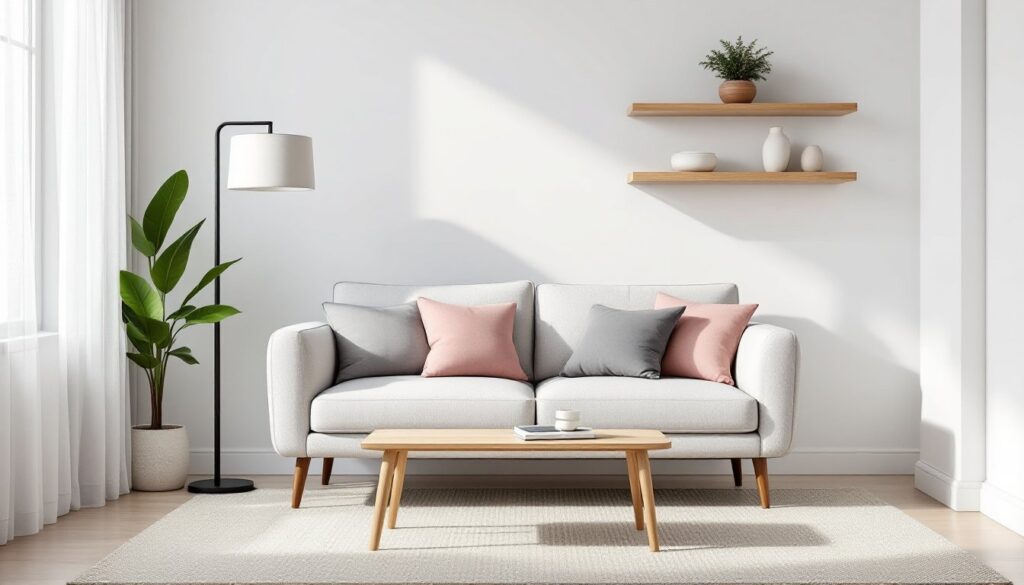
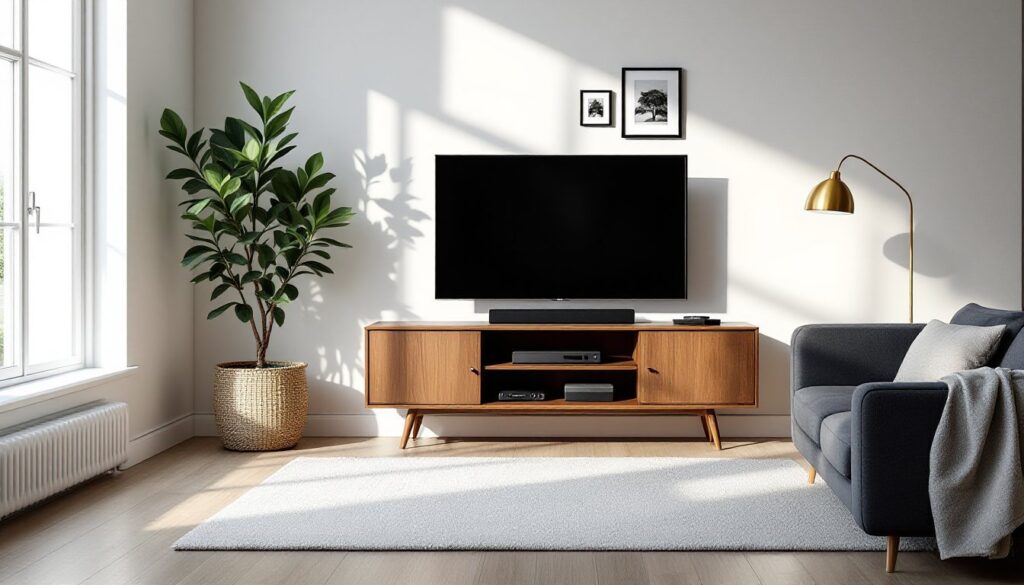
Tall indoor plants aren’t just decor, they’re architectural elements that fill vertical space, soften hard corners, and make rooms feel complete. In living rooms, where square footage matters and ceilings often feel too high or too bare, a well-placed floor plant can anchor furniture groupings, add life to dead corners, and improve air quality without eating up precious floor space. Unlike smaller potted plants that get lost on shelves, tall specimens (typically 4–8 feet) command attention and create focal points that work with or without expensive furniture.
Table of Contents
ToggleKey Takeaways
- Tall indoor plants for living rooms fill vertical space, anchor furniture groupings, and improve air quality while solving design challenges like high ceilings and awkward corners.
- Fiddle leaf figs and rubber plants are top choices for modern living rooms, with fiddle leaf figs requiring bright indirect light and consistent watering, while rubber plants tolerate lower light and irregular watering.
- Bird of paradise and dracaena offer tropical drama and air-purifying benefits, with bird of paradise needing direct sunlight and dracaena being ideal for low-light spaces and pet-safe considerations.
- Match plant selection to your living room’s light conditions—direct sun for bird of paradise, bright indirect light for fiddle leaf figs, and low to medium light for dracaena varieties.
- Choose tall plants based on your watering habits and lifestyle; drought-tolerant rubber plants and dracaena suit busy schedules, while fiddle leaf figs require more consistent care and stable placement.
- Select appropriately sized tall indoor plants (4–8 feet) that scale visually with standard furniture and require drainage holes plus proper spacing from walls for air circulation and stability.
Why Tall Indoor Plants Are Perfect for Living Rooms
Living rooms have spatial challenges that tall plants solve naturally. High ceilings can make a room feel cavernous or unfinished, but a fiddle leaf fig or bird of paradise draws the eye upward and fills that vertical void. Similarly, awkward corners, those dead zones flanking a fireplace or next to a sliding door, become intentional design moments with a single potted plant.
From a practical standpoint, tall indoor plants offer more leaf surface area, which means better air filtration. Studies show that larger specimens can remove formaldehyde, benzene, and other VOCs more efficiently than smaller plants. Most tall varieties also tolerate lower light better than compact tropicals, making them suitable for living rooms with north-facing windows or limited direct sun.
Tall plants also scale with typical living room furniture. A 6-foot rubber plant beside a standard sofa (usually 32–36 inches tall) creates visual balance without overwhelming the space. Smaller plants can look orphaned or cluttered unless grouped in multiples, which requires more maintenance and surface area.
Finally, tall plants are harder to knock over or damage in high-traffic areas. A weighty ceramic or terracotta pot (15–20 inches in diameter) provides stability, and the foliage sits well above pet and toddler level. Just ensure pots have drainage holes and saucers to protect flooring.
Best Tall Indoor Plants for Living Room Spaces
Fiddle Leaf Fig: The Statement Maker
The fiddle leaf fig (Ficus lyrata) is the go-to tall plant for modern and transitional living rooms. It can reach 6–10 feet indoors, with glossy, violin-shaped leaves up to 15 inches long. The tree form, single trunk with branching canopy, works well in corners, while bushier specimens suit open floor plans.
Light requirements: Bright, indirect light is essential. Place within 3–5 feet of an east or west window, or use sheer curtains to diffuse direct sun. Insufficient light causes leaf drop and leggy growth.
Watering: Water when the top 2–3 inches of soil are dry, roughly once a week in summer and every 10–14 days in winter. Overwatering causes brown spots and root rot. Use a moisture meter if unsure, fiddles are fussy about consistency.
Soil and potting: Use a well-draining mix (50% potting soil, 25% perlite, 25% orchid bark). Repot every 18–24 months in spring, stepping up one pot size. Terracotta pots wick away excess moisture better than plastic.
Challenges: Fiddle leaf figs are sensitive to drafts, temperature swings, and relocation. Once you find a spot, leave it. Wipe leaves monthly with a damp cloth to remove dust and improve photosynthesis. Expect some lower leaf drop as the plant matures, it’s normal.
Rubber Plant: Low-Maintenance and Bold
Rubber plants (Ficus elastica) are tougher, more forgiving cousins to the fiddle leaf fig. They grow 6–10 feet indoors with thick, waxy leaves (often burgundy or variegated) and a sturdy, upright form. They tolerate lower light and irregular watering better than most tall tropicals.
Light requirements: Adaptable to medium or bright indirect light. Variegated types need more light to maintain color: solid green varieties handle shadier corners.
Watering: Let the top 3 inches of soil dry out between waterings. Rubber plants are semi-succulent, storing water in their leaves and stems, so underwatering is safer than overwatering. In winter, reduce frequency by half.
Soil and potting: Standard potting mix with added perlite works fine. Rubber plants grow slowly indoors and can stay in the same pot for 2–3 years. When repotting, handle roots gently, they’re brittle.
Challenges: Leaves collect dust quickly due to their waxy surface. Wipe them down every 2–3 weeks. Rubber plants also produce a milky latex sap when cut or damaged, which can irritate skin and is toxic to pets. Wear gloves when pruning.
Bird of Paradise: Tropical Drama Indoors
Bird of paradise (Strelitzia reginae or Strelitzia nicolai) brings a resort vibe to living rooms with its large, paddle-shaped leaves and upright, structural growth. The white bird of paradise (S. nicolai) grows taller (8–10 feet indoors) and is more common for interiors. The orange-flowered variety (S. reginae) stays shorter (4–6 feet) but rarely blooms indoors without intense light.
Light requirements: Bright, direct light for several hours daily. South-facing windows are ideal. These plants tolerate some shade but won’t thrive or flower without sun.
Watering: Water thoroughly when the top 2 inches of soil are dry. Bird of paradise likes consistent moisture during the growing season (spring and summer) but tolerates short dry spells. Reduce watering in fall and winter.
Soil and potting: Use a rich, loamy potting mix with good drainage. These plants are heavy feeders, apply a balanced liquid fertilizer (10-10-10) monthly from April through September. Repot every 2–3 years or when roots crowd the container. Expect the pot to be heavy: a dolly helps with moving.
Challenges: Leaves split naturally, it’s an adaptation to wind, not a sign of damage. Brown leaf edges indicate low humidity or inconsistent watering. Mist leaves weekly or use a humidifier if indoor humidity drops below 40%. Watch for spider mites in dry conditions.
Dracaena: Sleek and Air-Purifying
Dracaena species (Dracaena marginata, Dracaena fragrans, Dracaena draco) are among the easiest tall plants for low-light living rooms. They grow 6–8 feet indoors with narrow, arching leaves and woody stems. The Madagascar dragon tree (D. marginata) has red-edged leaves and a sculptural, branching habit. Corn plant (D. fragrans) features wider, striped leaves and a more traditional tree silhouette.
According to research highlighted by home improvement resources like Better Homes & Gardens, dracaena ranks among the top air-purifying plants for removing indoor pollutants.
Light requirements: Tolerates low to bright indirect light. Variegated types need more light to maintain stripes. Avoid direct sun, which scorches leaves.
Watering: Water when the top half of the soil is dry. Dracaenas are sensitive to fluoride in tap water, which causes brown leaf tips. Use filtered or distilled water, or let tap water sit out overnight before watering.
Soil and potting: Standard potting mix with perlite. Dracaenas grow slowly and rarely need repotting, every 3 years is typical. They’re also easy to propagate from stem cuttings, so you can start new plants if the original grows too tall.
Challenges: Brown tips are common and mostly cosmetic. Trim them with sharp scissors at an angle to mimic the natural leaf shape. Dracaenas are toxic to cats and dogs, so place them out of reach if you have pets.
How to Choose the Right Tall Plant for Your Living Room
Start by assessing your light. Use a light meter app or observe the room throughout the day. Direct sun (4+ hours of unobstructed sunlight) suits bird of paradise. Bright indirect light (within a few feet of a window, but no direct rays) works for fiddle leaf figs and rubber plants. Low to medium light (north-facing windows or rooms without direct window access) calls for dracaena.
Next, consider your watering habits. If you travel frequently or forget to water, choose rubber plants or dracaena, they tolerate drought better than fiddle leaf figs or bird of paradise. Match the plant’s needs to your routine, not the other way around.
Measure your ceiling height and available floor space. A 6-foot plant needs at least 18–24 inches of clearance from furniture and walls for air circulation. For 8-foot ceilings, stick with plants that mature at 5–6 feet to avoid a cramped look. For 10-foot or vaulted ceilings, taller specimens (8+ feet) create better proportion. Many interior design guides, such as those from The Spruce, emphasize balancing plant height with room scale.
Pot size matters structurally. A 10-gallon nursery pot (roughly 15 inches in diameter) is standard for 6-foot plants and holds enough soil to support root systems and retain moisture. Ensure pots have drainage holes, standing water kills more houseplants than anything else. Use a saucer or waterproof tray to protect hardwood or carpet.
Finally, factor in household members. If you have cats, dogs, or small children, avoid toxic plants like fiddle leaf figs, rubber plants, and dracaena, or place them in areas they can’t access. Consider pet-safe alternatives like parlor palms or ponytail palms if toxicity is a concern. Additional styling inspiration can be found through resources like MyDomaine, which offers room-specific plant placement ideas.
Budget realistically. A mature, 6-foot tall plant typically costs $75–$200 depending on variety and source. Expect to pay more at specialty nurseries and less at big-box stores, though quality and acclimatization vary. Buying smaller plants (3–4 feet) and growing them out saves money but requires patience, most tall tropicals grow 6–12 inches per year indoors under good conditions.