Combining a living room and dining area in one space is a common layout in apartments, condos, and smaller homes. Done right, it’s functional and inviting. Done poorly, it feels cramped and chaotic. The key is treating the combo room as two distinct zones that share a unified design language. That means strategic furniture placement, intentional lighting, and a bit of restraint when it comes to clutter. This guide walks through practical, proven strategies to make a small living-dining combo feel organized, spacious, and livable, without knocking down walls or hiring a designer.
Table of Contents
ToggleKey Takeaways
- Define separate zones in your small living room dining room combo using area rugs, floating furniture, and low dividers to create visual separation without permanent walls.
- Invest in multi-functional furniture like extendable dining tables, storage ottomans, and nesting tables that adapt to your space and eliminate the need for bulky pieces.
- Layer your lighting with pendant lights over the dining table and floor lamps in the living area, plus dimmer switches, to create distinct zones and improve functionality.
- Maximize vertical space with floating shelves, tall bookcases, and wall-mounted storage to keep floors clear and make the room feel larger.
- Choose a cohesive color palette using consistent wall colors and light neutrals, then introduce accent colors through textiles and accessories for visual continuity.
Why Combined Living and Dining Spaces Are Perfect for Modern Homes
Open-concept layouts became popular for good reasons. They maximize usable square footage, improve sightlines, and create flexibility for how the space gets used day-to-day. In smaller homes, a combined living-dining room eliminates wasted hallway space and unnecessary doorways.
From a practical standpoint, combo rooms also support the way people actually live. Eating happens at the table, but so does assignments, laptop work, and craft projects. The couch isn’t just for TV, it’s overflow seating when guests come over. Blurring the line between “living” and “dining” reflects how multi-use these spaces really are.
The challenge isn’t the layout itself. It’s making sure each zone feels purposeful without visual clutter or awkward furniture floating in dead space. That requires a plan, not just hoping it works out.
Define Separate Zones Without Building Walls
Visual separation is the backbone of a successful combo room. The goal is to create two distinct areas without adding permanent barriers or making the space feel chopped up.
Area rugs are one of the simplest and most effective tools. A rug under the dining table and a separate one anchoring the sofa immediately signals two zones. Make sure the dining rug is large enough that chairs stay on it when pulled out, typically at least 6 to 8 feet wide for a standard four-person table. The living area rug should extend beyond the front legs of the sofa and chairs.
Furniture arrangement also does heavy lifting. Position the sofa with its back to the dining area, creating a natural divider. If the room allows, a narrow console table or low bookshelf behind the sofa reinforces the boundary without blocking light or sightlines. Avoid pushing all furniture against the walls, floating pieces toward the center helps define zones and makes the room feel intentional.
Partial dividers like open shelving units, folding screens, or even a tall plant in a floor planter can mark the transition between spaces. These work especially well in studio apartments or very tight layouts. Just keep the divider under 6 feet tall to preserve an open feel and avoid making the room feel segmented.
Many designers recommend using small space strategies to layer these techniques for maximum impact without overwhelming the room.
Choose Multi-Functional Furniture That Works Twice as Hard
In a combo room, every piece of furniture needs to earn its footprint. Multi-functional pieces reduce clutter and keep the layout flexible.
Extendable dining tables are a must. A table that seats four on weeknights but expands to six or eight for gatherings saves space and eliminates the need for a bulky table year-round. Drop-leaf and butterfly-leaf styles are both solid choices. Look for tables with a closed footprint of around 36 to 48 inches square or round.
Storage ottomans double as coffee tables, extra seating, and hidden storage for throws, remotes, or kids’ toys. Bench seating along one side of the dining table can tuck fully under the table when not in use and often includes lift-top storage.
Nesting tables and folding chairs keep flexibility high. Nesting side tables can be spread out when needed and stacked when not. Folding chairs hang on wall hooks or slide into a closet, ready for when company shows up.
Avoid oversized sectionals unless the room is genuinely large. A 72- to 84-inch sofa with a pair of armless chairs or a small loveseat typically works better in tight quarters. Leggy furniture, pieces with exposed legs rather than skirted bases, also helps the room feel less crowded by letting light pass underneath.
For more ideas on furniture that adapts to smaller layouts, check out popular DIY furniture projects that prioritize function and flexibility.
Use Smart Lighting to Create Visual Separation
Lighting is one of the most overlooked tools for defining zones in a combo room. Different light sources at different heights make each area feel distinct and improve functionality.
Layer your lighting. Each zone should have ambient, task, and accent lighting. In the dining area, a pendant or chandelier centered over the table provides focused light and acts as a visual anchor. Hang it 30 to 36 inches above the table surface. In the living area, a floor lamp behind the sofa or a table lamp on an end table adds warmth and task lighting for reading.
Dimmer switches are a low-cost upgrade that makes a big difference. Being able to dial down overhead lights in the living area while keeping the dining table bright during dinner creates separation without adding more fixtures. Most dimmers install in under 30 minutes and work with LED bulbs as long as the bulbs are labeled dimmable.
Use different color temperatures sparingly. Mixing warm white (2700K to 3000K) in the living area with cooler task lighting (3500K to 4000K) over the dining table can help differentiate zones, but keep the shift subtle to avoid a disjointed look.
Wall sconces flanking a console or artwork also add visual interest and free up floor and table space. Battery-operated or plug-in sconces work fine if running new electrical isn’t in the budget, just use cord covers or tuck wires behind furniture.
Maximize Vertical Space and Keep Floors Clear
In small combo rooms, floor space is precious. Shifting storage and decor upward keeps sightlines open and makes the room feel larger.
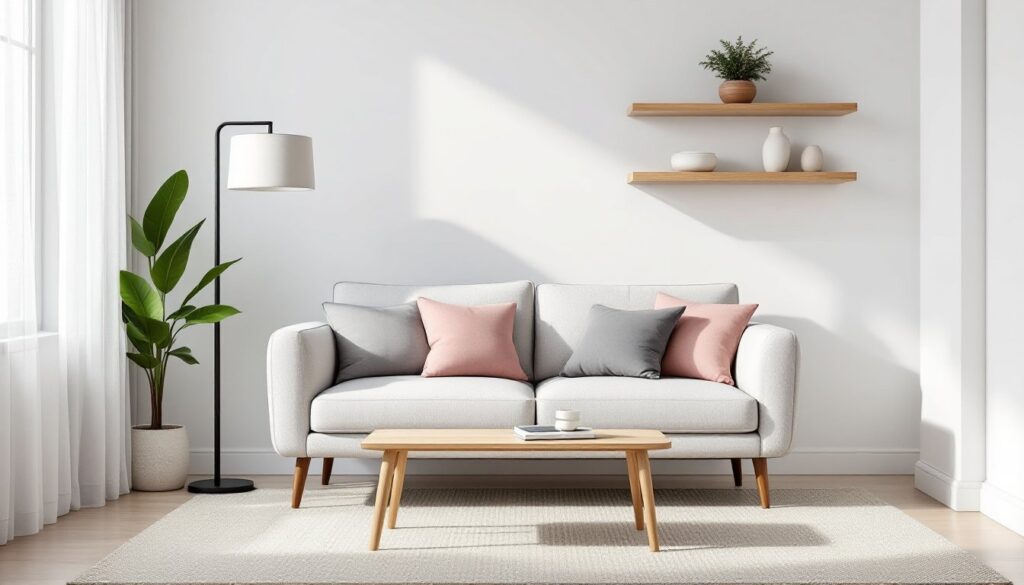
Floating shelves above the sofa or dining buffet provide display and storage without taking up floor area. Install them at least 12 inches apart and use a stud finder to anchor into wall studs or use appropriate drywall anchors rated for the weight. A typical 8-foot wall can comfortably hold three to four shelves.
Tall bookcases and cabinets draw the eye up and make ceilings feel higher. A narrow bookcase (12 to 18 inches deep) can fit in tight spaces and hold books, baskets, or decor. Anchor tall furniture to the wall with brackets or straps, this is especially important in homes with kids or pets.
Wall-mounted storage like coat hooks, pegboards, or magazine racks keeps everyday items off surfaces. In dining areas, a wall-mounted wine rack or floating buffet shelf eliminates the need for a bulky sideboard.
Keep larger furniture pieces, sofa, dining table, media console, low profile when possible. A sofa with a back height under 36 inches and a dining table at standard 30 inches tall keeps proportions in check and avoids a cluttered feel.
For additional inspiration on maximizing storage in tight layouts, explore guides on interior design for small rooms that focus on vertical solutions.
Select the Right Color Palette to Enhance Flow and Space
Color choices either unify a combo room or make it feel disjointed. A cohesive palette ties the zones together while still allowing subtle variation.
Stick to a consistent base. Use the same wall color throughout, or at most two shades from the same color family. Light neutrals, soft whites, warm grays, or greiges, reflect light and make the space feel larger. If using an accent wall, keep it to one and make sure it enhances a focal point like a fireplace or dining area rather than cutting the room in half visually.
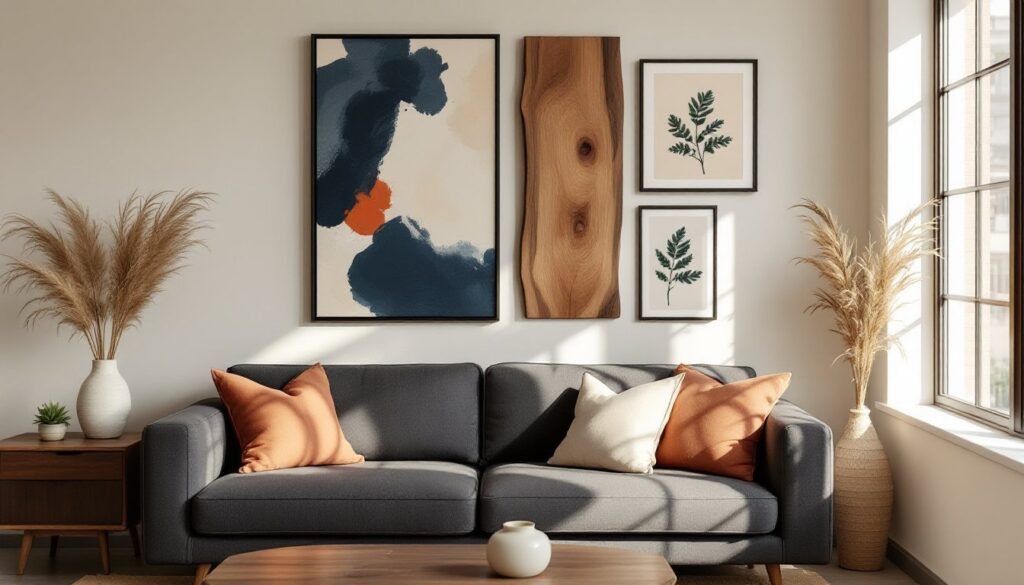
Introduce color through textiles and accessories. Throw pillows, rugs, curtains, and artwork can bring in bolder hues without committing the whole room. Repeating an accent color in both zones, say, navy blue pillows on the sofa and navy napkins or a table runner in the dining area, creates visual continuity.
Limit the number of colors. A safe formula is one or two neutrals, one main accent color, and one secondary accent. More than that risks visual chaos in a small space.
Paint finishes matter. Use eggshell or satin on walls for easy cleaning, especially in high-traffic combo rooms. Flat paint shows every scuff. Semi-gloss works well on trim and helps define architectural details without adding color contrast.
Test paint samples on multiple walls and observe them at different times of day. Natural light shifts throughout the day, and a color that looks great at noon might feel off at dusk.
Conclusion
A small living-dining combo doesn’t have to feel like a compromise. With deliberate zoning, smart furniture choices, layered lighting, and a cohesive color scheme, the space can work as hard as any two separate rooms. Focus on what actually gets used daily, keep clutter in check, and don’t be afraid to rearrange until it clicks. The best layouts evolve with how the space gets lived in.