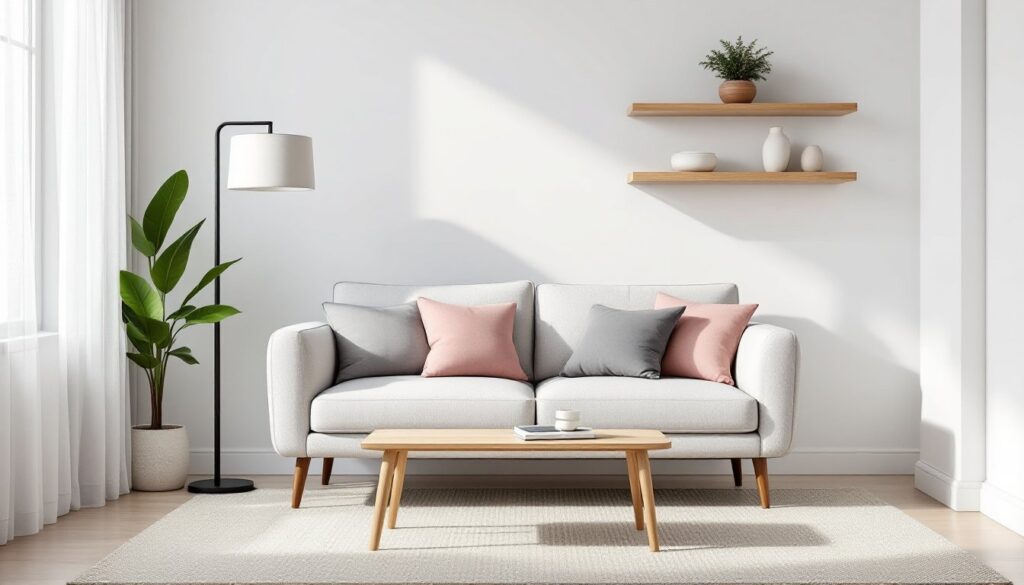
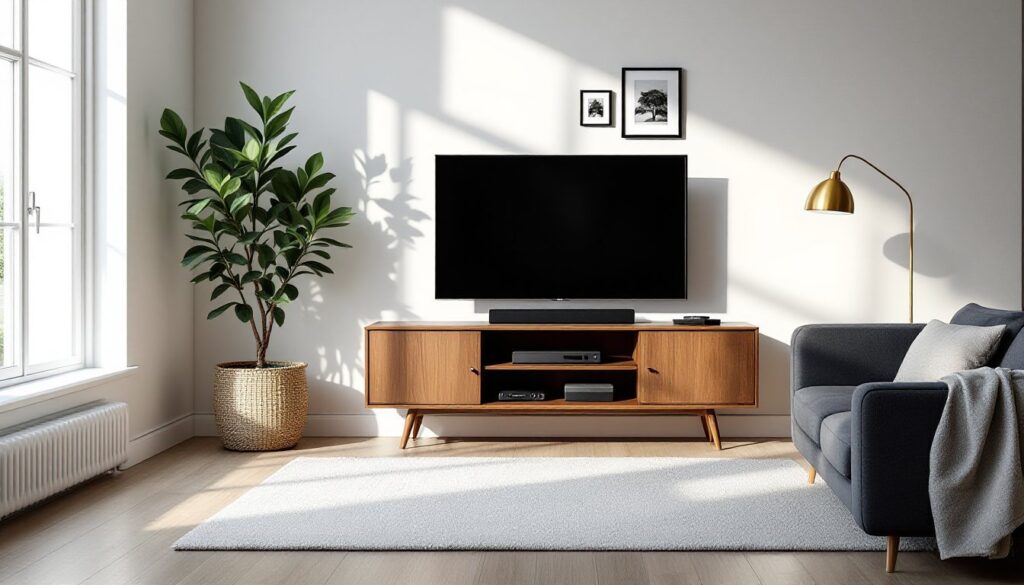
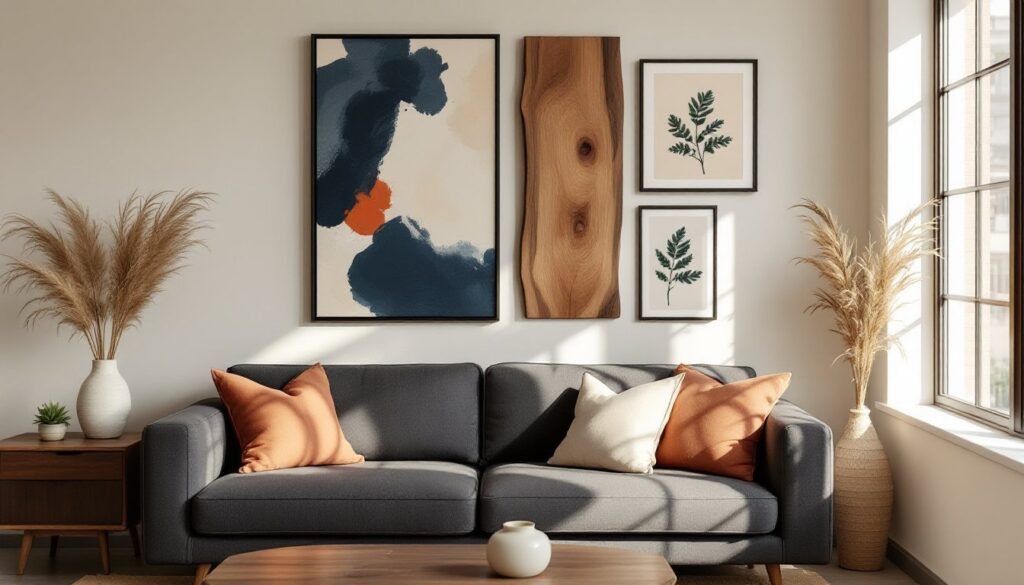
Transitional style sits at the sweet spot where traditional warmth meets contemporary clean lines. It’s the design approach that lets you keep grandma’s antique sideboard while pairing it with a sleek leather sectional, and have the whole room look intentional, not indecisive. For living rooms, this flexibility makes transitional design incredibly practical. You’re not locked into one era’s rulebook, and you can evolve the space over time without starting from scratch. Whether you’re furnishing a new home or refreshing an existing room, understanding how to balance classic and modern elements will give you a living room that feels both current and enduring.
Table of Contents
ToggleKey Takeaways
- Transitional living room ideas balance traditional warmth with contemporary clean lines, allowing you to mix classic and modern furniture without the space looking indecisive or dated.
- Neutral color palettes—warm grays, beiges, and soft whites—form the foundation of transitional style, with muted accent colors in soft blues and sage greens for visual interest.
- Layering varied textures like linen, leather, wool, and metal creates depth and prevents neutral rooms from looking flat, making it essential to transitional design.
- Pair straightforward sofas with quality wood or glass coffee tables, keeping wood tones to two or three finishes maximum to maintain the curated, balanced aesthetic.
- Lighting should blend traditional and modern forms—think simple chandeliers in brushed nickel or matte black—and always include dimmer switches for flexibility throughout the day.
- Accessorize with restraint using curated artwork, sculptural objects, and greenery; fewer, well-chosen pieces have more impact than crowded surfaces in transitional living rooms.
What Is Transitional Style and Why It Works for Living Rooms
Transitional design merges traditional furniture forms with the simplicity and clean lines of contemporary style. Think of it as the middle ground: you get the comfort and familiarity of classic pieces without the ornate detailing, and the streamlined look of modern design without the coldness.
This approach works especially well in living rooms because it prioritizes livability. Transitional spaces use neutral color palettes, balanced proportions, and a mix of textures to create rooms that feel collected rather than themed. You won’t see heavy crown molding paired with minimalist furniture, but you will see a tufted sofa next to a glass coffee table with metal legs.
The style also adapts to real life. If you inherit a wood dining set or find a mid-century chair at an estate sale, transitional design gives you the framework to incorporate it. There’s no strict manifesto, just a focus on balance, quality materials, and avoiding extremes. That flexibility is why interior design guides consistently recommend transitional styling for homeowners who want a timeless look without committing to a single decade.
From a practical standpoint, transitional living rooms age well. You’re not chasing trends, so the room won’t feel dated in five years. And because the palette is usually neutral, updates are as simple as swapping throw pillows or artwork.
Choosing the Perfect Color Palette for a Transitional Living Room
Transitional color schemes lean heavily on neutrals: grays, beiges, taupes, warm whites, and soft browns. These aren’t builder-grade beige walls, they’re layered, sophisticated tones that create depth without pattern overload.
Start with a base wall color in a warm gray (think Sherwin-Williams Agreeable Gray or Benjamin Moore Revere Pewter). These shades have enough warmth to avoid feeling sterile but stay neutral enough to anchor both traditional wood furniture and contemporary metal accents. Avoid cool grays unless your room gets strong natural light: they can read as dingy in north-facing spaces.
For trim, stick with white or off-white in a satin or semi-gloss finish. Bright white trim (like Benjamin Moore Chantilly Lace) creates crisp contrast against mid-tone walls and works with both classic molding profiles and simple flat casing.
Accent colors should be muted and intentional. Soft blues, sage greens, or warm charcoal work well in upholstery, throw pillows, or a single accent wall. Avoid loud patterns or high-contrast schemes, they tip the room too far toward traditional or too trendy.
If you’re repainting, buy sample quarts and test them on at least two walls in the room. Paint reads differently depending on light exposure, and what looks perfect on a paint chip can skew too pink or too green once it’s on a full wall. Let the samples dry for 24 hours and check them in morning, midday, and evening light before committing to gallons.
Furniture Selection: Mixing Classic and Contemporary Pieces
Furniture is where transitional style shows its versatility. The goal is to pair clean-lined contemporary pieces with traditionally inspired furniture that’s been stripped of excessive ornamentation.
Start with the sofa. A transitional living room sofa typically has a straightforward silhouette, track arms or slightly rolled arms, not heavily scrolled camelback styles, upholstered in a solid neutral fabric like linen, cotton, or performance fabric. Avoid busy prints. If you want a traditional touch, choose a sofa with turned wood legs rather than a fully upholstered base.
Coffee tables and side tables offer an easy place to mix styles. A wood coffee table with simple lines pairs well with a contemporary sofa, while a glass-top table with a metal base balances out a more traditional tufted sectional. Look for pieces with quality joinery, dovetail drawers, solid wood frames, and mortise-and-tenon construction hold up better than particleboard with veneer.
When mixing wood tones, stick to two or three finishes max. A medium walnut coffee table, a lighter oak side table, and a dark espresso media console can coexist as long as the furniture styles share similar proportions and clean lines. Avoid matching bedroom-set vibes, transitional design is about curated pieces, not suites.
If you’re buying new furniture, measure doorways, hallways, and stairwells before delivery. A sectional that fits the room on paper won’t help if it can’t make the turn at the landing. And for upholstered pieces, consider performance fabrics if you have kids or pets, they resist stains and wear without looking commercial.
Texture and Fabric Choices That Define Transitional Design
Texture is what keeps a neutral transitional living room from looking flat. Without pattern to add visual interest, you need variation in materials and finishes: linen, leather, wool, wood, metal, glass, and stone.
For upholstery, natural fabrics like linen and cotton bring a relaxed, lived-in feel, while leather adds richness and ages well. A linen sofa paired with leather accent chairs hits the transitional sweet spot. If durability is a concern, look for performance linen or crypton-treated fabrics, they handle spills better than untreated natural fibers.
Layering textiles adds depth. A wool or jute area rug anchors the seating area and defines the space, especially in open-concept layouts. Jute rugs are budget-friendly and suit the transitional aesthetic, but they can be rough underfoot, layer a softer, smaller rug on top if the living room sees a lot of barefoot traffic. Wool rugs (especially flatweave or low-pile styles) are more durable and easier to clean.
Throw pillows and blankets are an easy way to introduce texture without commitment. Mix linen, velvet, and knit textures in complementary neutrals. A chunky knit throw over the arm of a sleek sofa, or velvet pillows on a linen sectional, adds tactile contrast. Avoid matching pillow sets, curated beats coordinated in transitional spaces.
For window treatments, opt for natural linen or cotton drapes in a neutral tone, hung high and wide to make windows look larger. If privacy isn’t an issue, skip heavy drapes altogether and use wood or faux-wood blinds. Real wood blinds (typically 2-inch slats in a stained or painted finish) lean traditional, while faux wood or aluminum blinds in white or gray read more contemporary.
Lighting Fixtures That Balance Traditional and Modern Aesthetics
Lighting in a transitional living room should blend classic forms with simplified details. Think traditional chandelier shapes rendered in brushed nickel or matte black, or modern pendant lights with warm brass accents.
For overhead lighting, a semi-flush mount or simple chandelier works well. Choose fixtures with clean lines and minimal ornamentation, metal frames, glass shades, and geometric shapes rather than crystal drops or heavily scrolled metalwork. Finishes like brushed nickel, aged brass, or matte black bridge traditional and contemporary and coordinate with a range of hardware finishes.
Table lamps and floor lamps add task and ambient lighting. Look for lamps with ceramic, wood, or metal bases in solid colors or simple textures, paired with drum or empire shades in linen or cotton. Avoid overly ornate bases or fussy pleated shades. A brass pharmacy floor lamp next to a reading chair, or a pair of ceramic table lamps on a console, reinforces the transitional vibe.
Dimmer switches are a must. Install standard rotary or slide dimmers (or smart dimmers if you’re already invested in a home automation system) on all overhead and plug-in lamp circuits. Dimmers let you adjust lighting for different times of day and activities, and they extend bulb life. For LEDs, make sure your dimmer is LED-compatible, not all are, and incompatible combinations cause flickering.
Recessed lighting (also called can lights) is common in modern homes and works in transitional spaces if used sparingly. Install them on a separate circuit from decorative fixtures so you can layer lighting. Aim for 4-inch or 6-inch housings with adjustable trims to highlight artwork or architectural features without creating a commercial look.
Accessorizing Your Transitional Living Room with Art and Decor
Accessories in a transitional living room should feel intentional and uncluttered. The palette is neutral, so artwork, decorative objects, and greenery provide personality without overwhelming the space.
For wall art, choose pieces that reflect the room’s balanced aesthetic. Large-scale abstract prints, black-and-white photography, or simple line drawings work well. Frame them in simple wood or metal frames, nothing ornate. Grouping smaller pieces in a grid or gallery wall layout can work, but keep frames and mats consistent to avoid a chaotic look. Hang art at eye level (typically 57–60 inches from the floor to the center of the piece).
Decorative objects should be curated, not collected. A few well-chosen items, ceramic vases, wood bowls, sculptural objects, on a coffee table or console make more impact than a crowded surface. Stick to odd numbers (groups of three or five) and vary heights for visual interest. Many home styling resources emphasize restraint in transitional decor: less is almost always more.
Greenery and natural elements bring life to neutral spaces. Use real plants if light and maintenance allow, fiddle-leaf figs, snake plants, or potted olive trees suit the transitional aesthetic. If natural light is limited, high-quality faux plants work, but avoid cheap plastic versions. Woven baskets, wood trays, and stone or ceramic planters add organic texture.
Mirrors expand light and space, especially in smaller living rooms. Choose a simple rectangular or round mirror in a wood or metal frame and hang it opposite a window to reflect natural light. Avoid heavily gilded or ornate frames, they skew too traditional.
Books and magazines on a coffee table or shelf add a lived-in feel. Stack them horizontally with a small object on top, or arrange them vertically with bookends. Keep spines facing the same direction and edit regularly, dog-eared paperbacks and outdated issues undercut the curated look.
Conclusion
Transitional style gives you the freedom to create a living room that’s both comfortable and polished, without locking you into a single design era. By focusing on neutral palettes, quality materials, layered textures, and a balanced mix of furniture styles, the space stays flexible and timeless. Whether you’re starting from scratch or refreshing what you already have, these design strategies help you build a room that works now and adapts as your needs change.