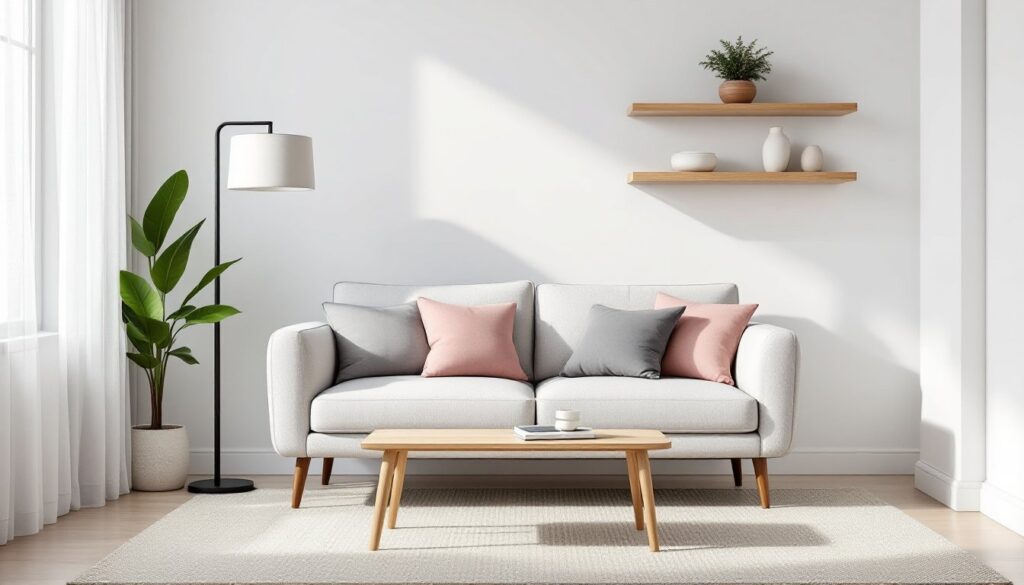
Setting up a living room with two sofas isn’t just about filling space, it’s about creating flexible seating that actually works for how people gather. Whether hosting game night, managing a household with kids sprawled everywhere, or simply wanting conversation areas that don’t force everyone to shout across the room, a dual sofa layout solves problems that single-sofa-plus-chairs arrangements can’t. The trick is knowing which configuration fits the room’s dimensions and traffic flow, then choosing pieces that balance visual weight without turning the space into a furniture showroom.
Table of Contents
ToggleKey Takeaways
- A two sofa living room layout provides real seating capacity for six adults and enables flexible conversation zones—either face-to-face for dialogue or L-shaped for simultaneous TV viewing and independent activities.
- Choose sofas within 12 inches of each other in length and verify matching seat heights (17–19 inches standard) and cushion firmness to avoid awkward visual and functional mismatches.
- Place area rugs at least 9×12 feet for face-to-face layouts with all four legs per sofa on the rug, and maintain 36–42 inches of traffic clearance to prevent bottlenecks and awkward furniture navigation.
- Anchor your two sofa layout with balanced lighting and accessories on both sides, using round or oval coffee tables (40–48 inches) to soften rectangular sofas or rectangular tables to reinforce geometry.
- Float sofas 12–18 inches off walls rather than pushing them to the perimeter to create visual depth and intentional spacing that makes rooms feel larger and more functional.
- Test the layout with painter’s tape on the floor for several days before finalizing placement, simulating daily activities like traffic flow and TV viewing angles to ensure the arrangement actually works in practice.
Why Choose a Two Sofa Layout for Your Living Room?
Two sofas provide symmetrical seating capacity that works better for larger families or frequent entertainers than the standard sofa-loveseat combo. Most full-size sofas seat three adults comfortably, so doubling up gives six dedicated seats before adding accent chairs or ottomans. That’s real capacity, not the theoretical “seating for eight” that requires someone perching on an armrest.
From a design standpoint, matching or complementary sofas create visual balance that anchors a room. Instead of one heavy piece dominating with lighter furniture scattered around, two substantial sofas establish a framework. The eye reads the space as intentional rather than improvised. This matters in open-concept homes where the living area needs to hold its own against kitchen cabinetry and dining tables competing for attention.
Two sofas also enable multiple conversation zones within one room. Face them toward each other and you’ve got an intimate setup for actual dialogue. Position them in an L-shape and suddenly you can watch TV from one while someone reads on the other without feeling like they’re in a separate room entirely. That flexibility beats rearranging furniture every time the room’s function shifts.
The practical win: easier furniture rotation and cleaning. Single large sectionals require moving the entire unit to vacuum underneath or swap positions seasonally. Two independent sofas let you pull one out, clean behind it, and rotate pieces to even out wear on cushions and fabric fade from sunlight. Anyone who’s tried wrestling a three-piece sectional around a corner during a deep clean knows this isn’t a small thing.
Best Two Sofa Arrangement Styles for Different Room Shapes
Room dimensions dictate which layout actually functions versus which just looks good in a Pinterest render. Here’s what works in real floor plans.
Symmetrical Face-to-Face Layout
This classic setup places two identical or similar sofas parallel to each other, typically 6 to 8 feet apart, with a coffee table centered between them. It’s the go-to for rectangular rooms at least 14 feet wide and works particularly well when there’s a fireplace or media console on one short wall that both sofas can orient toward.
The face-to-face arrangement creates what designers call a “conversation pit,” though that term oversells it, people just naturally talk more when seated across from each other rather than side-by-side at 90-degree angles. For rooms where the TV isn’t the primary focus, this beats every other layout. Many interior design ideas feature this symmetrical approach because it photographs well and establishes clear sightlines.
Critical measurement: Allow at least 30 inches between the sofa front edge and the coffee table. Less than that and people bash their shins sitting down. More than 36 inches and you’re stretching to set down a drink. If the room forces you outside that range, skip the coffee table entirely and use nesting side tables instead.
Traffic flow matters here. Leave 36 to 42 inches of clearance behind the sofas if that’s a walking path to other rooms. In a 14×20-foot room, that means two 78-inch sofas (that’s a standard three-seater) with proper spacing fit, but just barely. Go bigger and you’re furniture-Tetris-ing around bottlenecks every time someone carries laundry through.
L-Shaped Corner Configuration
Perpendicular placement puts sofas at a 90-degree angle, usually anchored in a corner or floating in an open layout to define the living zone from dining or entry areas. This works in square rooms or open-concept spaces where walls don’t naturally frame a furniture grouping.
The L-shape handles TV viewing better than face-to-face because everyone can angle toward a screen without craning necks. It also creates a natural corner nook for a floor lamp, plant, or accent table, dead space in other layouts becomes functional. Many home design shows demonstrate this setup in great rooms where the living area needs visual boundaries without actual walls.
Proportions matter: If one sofa is noticeably longer than the other, put the shorter piece on the leg of the L that faces the room’s main entry. The eye reads that as welcoming rather than blocked off. Matching lengths (two 84-inch sofas, for example) create symmetry but require more floor space, minimum 15×15 feet to avoid a cramped feel.
Floating this layout away from walls requires at least 12 inches of clearance behind the sofas for visual breathing room, though 18 inches looks more deliberate. Less than that reads as a furniture-pushing mistake rather than a design choice. Use an area rug at least 8×10 feet to anchor both pieces: anything smaller and the sofas look like they’re hovering unattached to the room.
How to Choose the Right Sofas for a Dual Sofa Setup
Two identical sofas create foolproof symmetry but cost more upfront and limit future flexibility. Two complementary sofas, same style family, different scales or colors, often work better in real homes that evolve over time. Here’s what actually matters.
Scale and proportion: In a two-sofa room, total furniture mass matters more than individual piece size. Two bulky club-arm sofas with 40-inch depths eat visual space even if dimensions technically fit. Pair one standard 36-inch-deep sofa with a slightly shallower 32-inch piece if the room’s tight, or match depths but vary arm styles, one track arm, one rolled, to create visual interest without chaos.
Measure actual dimensions, not the nominal sizing in product names. A “sofa” can range from 72 to 96 inches long. Verify exact width, depth (including any protruding backs or legs), and height. A 38-inch-tall sofa back blocks sightlines differently than a 32-inch low-profile piece.
Color and pattern coordination: Matching upholstery works, but so does a complementary palette, one solid, one subtle pattern, or two different neutrals in the same undertone family (both warm grays, not one warm and one cool). Avoid high-contrast pairings unless you’re committing to a bold aesthetic: navy and cream can work, but requires careful rug and accent choices to tie it together.
Fabric durability beats aesthetics if the room sees heavy use. Performance fabrics (polyester blends treated for stain resistance) handle spills and pet traffic better than untreated linen or cotton. Leather ages well but shows wear faster in high-friction spots like armrests and seat cushions. If buying two different sofas, match fabric durability so one doesn’t look trashed while the other stays pristine three years in.
Seat height and cushion firmness: Mismatched seat heights feel awkward even if they look fine. Most sofas sit 17 to 19 inches off the floor. A two-inch difference is enough to make one feel like a barstool and the other like you’re sinking into quicksand. Test both in person if possible, or verify specs if buying online.
Cushion construction affects longevity more than initial comfort. High-density foam cores (1.8 pounds per cubic foot or higher) with down or fiberfill toppers hold shape better than all-foam or all-down. If one sofa’s a hand-me-down and one’s new, plan on the older piece sagging noticeably within a year or two unless you’re replacing cushion cores.
Creating Balance and Flow in Your Two Sofa Living Room
Furniture placement is half the job. The other half is managing visual weight and traffic patterns so the room feels cohesive instead of crowded.
Anchor with an area rug: The rug should be large enough for at least the front legs of both sofas to rest on it, all four legs per sofa is better. In a face-to-face layout, that typically means a 9×12-foot rug minimum. For L-shaped setups, an 8×10 works if the room’s compact. Too-small rugs make furniture look like it’s floating randomly. Too-large rugs (edges extending 18+ inches beyond all furniture) waste money and create visual clutter. Many professionals browsing home design inspiration look for rug scale in room photos before anything else, it’s that foundational.
Balance lighting and accessories: Two sofas create two “sides” that need equal visual weight. If one sofa has a floor lamp and side table, the other should too, or swap one for a console table and table lamp if space differs. Avoid clustering all the good stuff (lamps, art, plants) on one side and leaving the other barren.
Coffee table alternatives: A single large coffee table works for face-to-face layouts, but L-shaped arrangements often benefit from two smaller tables or a combination of one coffee table and side tables. This prevents anyone from stretching across a corner to set down a mug. Round or oval tables (40 to 48 inches diameter) soften the hard lines of two rectangular sofas: rectangular tables (48×28 inches typical) reinforce the geometry. Both work, it’s about whether you want contrast or cohesion.
Traffic lanes: Maintain clear paths. The main walkway through the room needs 36 inches minimum, 42 if it’s a primary route from entry to kitchen. Mark this out with painter’s tape on the floor before committing to a layout. If you’re sidestepping furniture or doing the “turn-your-shoulders” shuffle to get past a sofa corner, the arrangement fails no matter how good it looks.
Electrical and outlet access: Two sofas means twice the likely need for charging phones or powering lamps. Identify outlet locations before finalizing placement. If an outlet ends up blocked behind a sofa, either reposition the furniture or install a recessed floor outlet (requires fishing wiring through the floor, more invasive in upper-story rooms or over finished basements). Extension cords draped over baseboards or under rugs are trip hazards and code violations in many jurisdictions.
Common Mistakes to Avoid When Arranging Two Sofas
Even with the right furniture, poor execution kills the layout. Here’s what trips people up.
Pushing everything against the walls: Floating furniture away from walls creates intentional space and makes rooms feel larger, not smaller. A sofa pulled 12 to 18 inches off the wall with a console table or narrow bookshelf behind it adds function and visual depth. Smashing everything to the perimeter makes the center of the room a no-man’s land.
Ignoring natural light and views: If the room has a great window view or abundant natural light, orient seating to take advantage. Placing a sofa back directly against a picture window wastes the view and blocks light. Face one sofa toward the window or position both to angle slightly that direction.
Mismatched proportions: A dainty apartment-scale loveseat paired with an oversized family sofa looks accidental. Aim for pieces within 12 inches of each other in length unless you’re deliberately creating a primary/secondary seating hierarchy. Height matters too, tall-back sofas next to low-slung mid-century pieces create visual tension that requires strong styling to pull off.
Forgetting about the TV: If there’s a television in the room, both sofas should have reasonable viewing angles. That doesn’t mean perfect straight-on views, but no one should have to twist 90 degrees or strain their neck. Test sightlines by sitting in each seat before calling it done. Mounting the TV on an articulating wall arm can help angle it toward off-center seating, though that requires finding studs or using heavy-duty drywall anchors rated for the TV’s weight.
Overcrowding with extras: Two sofas already provide substantial seating. Adding four accent chairs, three ottomans, and a chaise creates furniture overload. Stick to one or two additional seats unless the room exceeds 300 square feet. Negative space, empty floor area, lets the eye rest and makes the room feel usable rather than like a furniture store clearance section.
Skipping the test drive: Measure, mark floor positions with tape, and live with the layout for a few days before hauling heavy sofas into final position. Walk the traffic paths. Sit in each seat. Simulate daily activities (carrying a laundry basket through, kids running past, someone trying to vacuum). If it’s annoying in testing, it’ll be worse once you’ve committed and the back-saving straps come off.