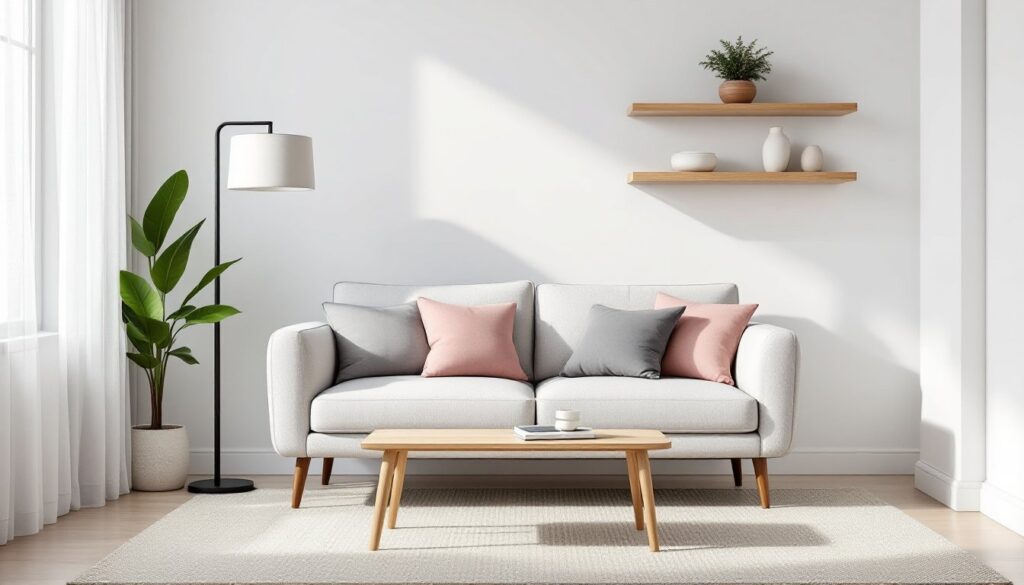
Small rugs don’t get the credit they deserve. While most people obsess over finding the perfect 8’x10′ centerpiece, smaller rugs, think 3’x5′, 4’x6′, or even runners, offer flexibility that wall-to-wall coverage can’t match. They define conversation areas without swallowing floor space, add warmth to hardwood or tile without the commitment of broadloom, and cost a fraction of what you’d pay for a room-sized piece. Whether working with an open-plan layout, a compact living room, or just trying to zone a multifunctional space, small rugs give you control without locking you into one look for the next decade.
Table of Contents
ToggleKey Takeaways
- Small rugs for living rooms offer flexibility, affordability, and design versatility that larger centerpieces cannot match, making them ideal for renters, open-plan spaces, and budget-conscious homeowners.
- Measure your space using painter’s tape before purchasing—the front legs of furniture should rest on the rug, with actual dimensions verified since nominal sizes vary by manufacturer.
- Wool rugs last 10-15 years in high-traffic areas, while cotton suits low-traffic zones and synthetic fibers excel in homes with pets or kids due to stain resistance.
- Layer a small 4’x6′ or 5’x7′ accent rug over a larger neutral base with at least 18 inches of contrast on all sides to add depth and personality without overwhelming the room.
- Geometric patterns, stripes, and solid textures work best in small rugs—avoid tiny repeating motifs that appear cluttered at smaller scale.
- Place small rugs strategically under coffee tables, in front of sofas, or in reading corners to define zones and protect floors while maintaining visual flow in open-plan layouts.
Why Small Rugs Are Perfect for Living Rooms
Small rugs solve problems that large ones create. In rentals, they protect high-traffic zones without requiring landlord approval or a moving truck when you leave. In homes with radiant floor heating, they let warmth rise through the gaps instead of trapping it under yards of wool. And if you’ve got kids, pets, or a habit of spilling coffee, replacing a 4’x6′ rug is a lot easier on the wallet than replacing an area rug that costs four figures.
They’re also ideal for defining zones in open-plan spaces. A small rug under a reading chair or in front of a media console creates visual boundaries without carving up the room with furniture arrangements. This is especially useful in lofts or great rooms where you need to signal “this is the living area” without building walls.
From a design standpoint, small rugs let you take risks. Bold geometric patterns, saturated colors, or high-pile textures that might overwhelm a room at scale become accent pieces when they’re compact. You can swap them seasonally, layer them over larger neutral rugs, or move them between rooms as your needs shift. That flexibility is something a 9’x12′ investment piece can’t offer.
How to Choose the Right Size Small Rug for Your Living Room
“Small” is relative. A 3’x5′ rug works under a single accent chair or at the foot of a sofa, but it’ll look lost in front of a sectional. A 4’x6′ or 5’x7′ can anchor a compact seating group, two chairs and a side table, or a loveseat with a coffee table, without extending under all the furniture.
Here’s the rule of thumb: at least the front legs of your furniture should rest on the rug. If you’re placing a rug in front of a sofa, it should extend far enough that when someone sits down, their feet land on the rug, not bare floor. For a reading nook or corner setup, the rug should encompass the chair and a small side table, with 6-12 inches of clearance on all sides.
Measure your space before you shop. Use painter’s tape to outline potential rug dimensions on the floor, it’s the only way to see if a 4’x6′ will actually work or if you need to step up to a 5’x8′. Account for furniture legs, door swings, and traffic flow. And remember: nominal rug sizes can vary by manufacturer. A “5’x7′” might measure 60″x84″ or 63″x87″ depending on the weave and binding. Check the actual dimensions, not just the label.
If you’re layering (more on that below), your small rug should be at least 18 inches smaller on all sides than the base layer. That creates enough contrast to read as intentional rather than a measuring mistake.
Best Materials and Textures for Small Living Room Rugs
Material choice affects durability, feel underfoot, and how much vacuuming you’re signing up for. Here’s what works where.
Wool is the workhorse. It’s naturally stain-resistant, fire-retardant, and holds up to foot traffic. A low-pile wool rug in a high-traffic zone can last 10-15 years with regular vacuuming. Hand-tufted or flatweave wool rugs are lighter and easier to move than hand-knotted, which matters if you plan to rearrange.
Cotton is washable and budget-friendly, but it shows wear faster. It’s a solid pick for low-traffic areas, under a side table, in a reading corner, but it’ll mat down quickly in front of a sofa. Look for tightly woven cotton (like dhurrie) rather than loose, shaggy weaves.
Jute and sisal add texture and work well in casual, coastal, or modern farmhouse interiors. They’re durable but rough underfoot, not ideal if you like to sit on the floor. Jute softens over time but can shed and doesn’t handle moisture well. Avoid it in spaces where drinks get set on the floor.
Synthetic fibers (polypropylene, nylon, polyester) are the practical choice for homes with pets or kids. They resist stains, dry quickly, and cost less than natural fibers. Quality varies widely: a well-made poly rug can look like wool from a distance, while a cheap one will pill and flatten within a year. Many experts recommend choosing stain-resistant options for high-use areas to extend the life of your investment.
High-pile or shag rugs feel luxurious but trap dirt and are tough to vacuum. They work in low-traffic spots, next to a bed, under a vanity, but avoid them in front of furniture with casters or in homes with allergies.
Creative Placement Ideas for Small Rugs
Placement changes the function of a small rug. Here are setups that work.
Under a coffee table: Center a 4’x6′ or 5’x7′ rug so the table sits fully on it, with 6-12 inches of rug extending beyond each edge. Front legs of seating should rest on the rug: back legs can be off. This anchors the furniture group without requiring a room-sized rug.
In front of the sofa: A 3’x5′ runner or rectangular rug placed lengthwise adds a soft landing for feet and protects hardwood from scuffs. Keep it centered and about 6 inches away from the sofa base so it doesn’t bunch up when people sit.
Defining a reading corner: Pair an accent chair with a small round or 4’x6′ rug. Add a floor lamp and side table, all within the rug’s footprint. This creates a distinct zone, especially useful in open-plan layouts.
Hallway transitions: Runners (typically 2.5’x8′ or 3’x10′) can bridge a living room and dining area, adding warmth and guiding foot traffic without interrupting sightlines. Use a low-pile option to prevent tripping.
Floating furniture: In modern or minimalist spaces, a small rug can sit in the center of a seating area with no furniture on it at all. This works if your aesthetic skews sculptural and you want the rug to read as art rather than function.
Layering Small Rugs for Added Dimension
Layering a smaller rug over a larger neutral base, typically jute, sisal, or a flatweave in beige or gray, adds depth without clutter. The bottom layer covers more floor and defines the room’s footprint: the top layer introduces pattern, color, or texture.
Start with a base rug that extends under all furniture legs. Then place a 4’x6′ or 5’x7′ accent rug on top, centered under a coffee table or in the main seating zone. Leave at least 18 inches of the base rug visible on all sides. This contrast makes the layering intentional.
Choose textures that play off each other, a flatweave jute under a plush Moroccan, or a low-pile synthetic under a vintage Persian. Avoid layering two high-pile rugs: they’ll shift and bunch. And skip rug pads between layers unless the top rug is slippery: most layered setups stay put on their own. Designers often point to room-by-room styling techniques that emphasize layering as a way to add personality without overwhelming a space.
Top Patterns and Colors to Elevate Your Living Room
Pattern scale matters more in small rugs than large ones. A design that reads as subtle on a 9’x12′ can dominate when condensed to 4’x6′. Use that to your advantage.
Geometric patterns (chevrons, diamonds, trellises) work well in modern and transitional spaces. They add movement without reading as busy, especially in two- or three-color palettes. Avoid tiny repeating motifs: they can look cluttered at small scale.
Stripes elongate a space visually. Run them parallel to the longest wall to make a narrow room feel wider, or perpendicular to draw the eye deeper into the space. Stripes also disguise traffic patterns better than solids.
Vintage or distressed patterns bring character to minimalist rooms. A faded Persian or overdyed Turkish rug in jewel tones adds a collected, lived-in feel. These work especially well layered over neutral bases.
Solid or tonal rugs ground bold furniture or colorful walls. A charcoal, navy, or terracotta solid anchors a room without competing for attention. Textured solids, like a braided jute or a cut-pile wool, add interest without pattern.
For color, match your rug to the room’s secondary or accent color, not the dominant one. If your sofa is gray and your walls are white, pull in a rug with rust, olive, or navy to tie in throw pillows, art, or window treatments. Avoid matching your rug exactly to your largest furniture piece: it flattens the palette. Many homeowners turn to curated design inspiration to see how color and pattern interact in real-world room layouts.
Contrast is your friend. Light rugs show dirt but brighten dark rooms and make small spaces feel larger. Dark rugs hide stains and ground airy, high-ceilinged rooms. If your floor is dark hardwood, a light or mid-tone rug creates separation. On light tile or blonde wood, go darker or use a bold pattern to avoid a washed-out look.
Conclusion
Small rugs offer flexibility, budget relief, and the freedom to experiment without committing to a single look for years. Choose the right size for your furniture layout, pick materials that match your household’s wear-and-tear reality, and don’t be afraid to layer or move them as your space evolves. A well-placed 4’x6′ can do more for a room than an oversized rug ever could.