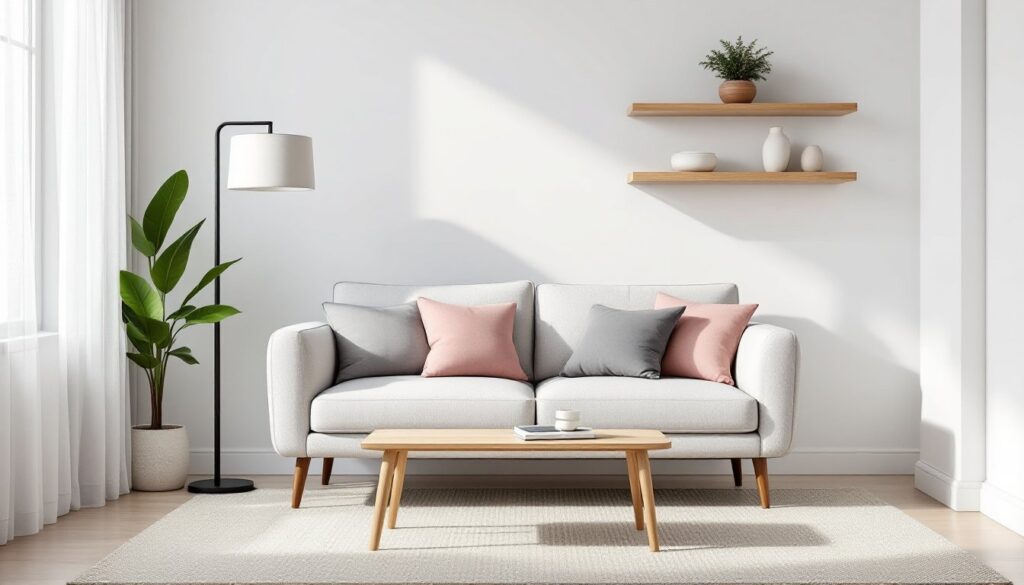
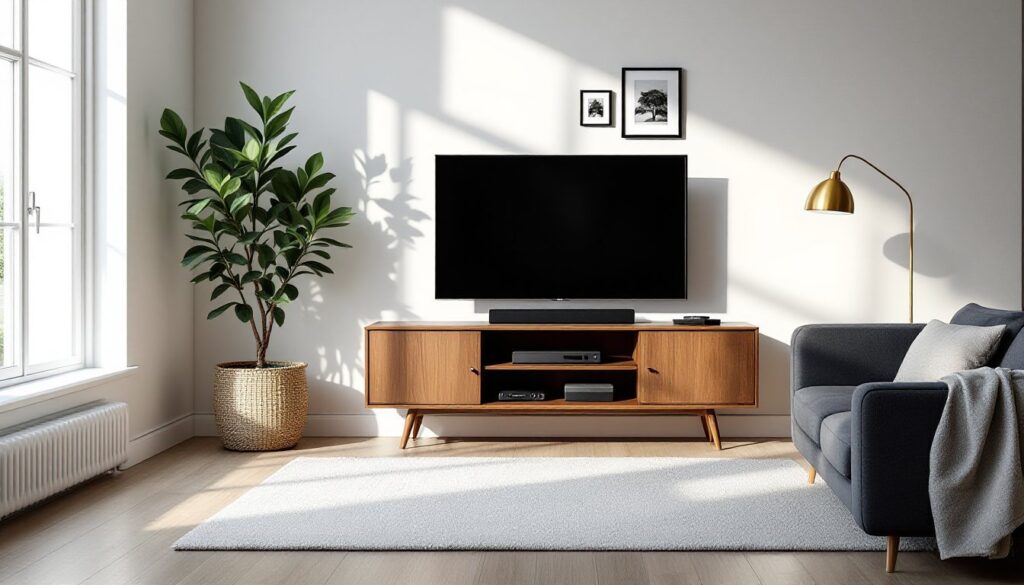
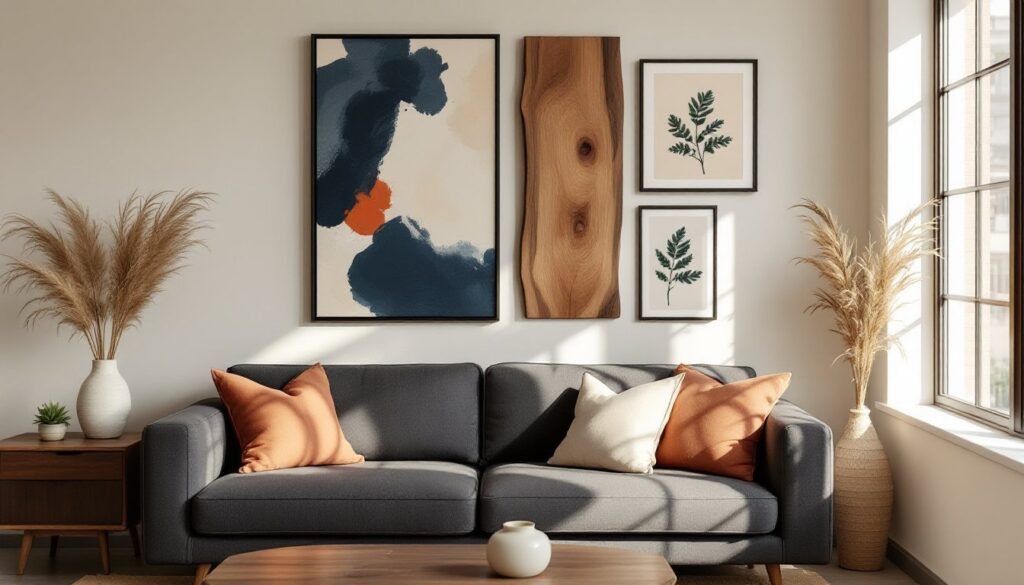
Coastal living rooms don’t need square footage to feel open and breezy, they need smart design. A cramped beach cottage can feel just as serene as a sprawling waterfront home if the elements work together. This guide walks through practical, tested strategies for making small coastal spaces functional without sacrificing that signature relaxed vibe. No vague mood boards here, just actionable advice on color, furniture, materials, lighting, and storage that homeowners can apply whether they’re steps from the ocean or just inspired by the coast.
Table of Contents
ToggleKey Takeaways
- Small coastal living room ideas succeed when you use light, airy color palettes like white, cream, and soft gray in satin finishes that reflect light and visually expand cramped spaces.
- Multi-functional furniture—sleeper sofas, storage ottomans, nesting tables, and wall-mounted drop-leaf tables—maximizes every square foot without sacrificing the relaxed coastal vibe.
- Natural textures like jute rugs, rattan furniture, and linen fabrics create visual interest and tactile warmth without adding visual bulk or clutter.
- Strategic lighting, large mirrors, and reflective surfaces like glass tables and metallic accents amplify natural light and create illusions of openness in tight coastal living rooms.
- Smart storage solutions—built-in shelving, under-sofa bins, vertical cabinets, and labeled baskets—keep clutter hidden while maintaining the airy aesthetic that defines coastal design.
- Restrain decorative accents using the three-item rule and favor one large artwork over gallery walls; subtlety reads more sophisticated in small spaces than theme-park abundance.
Choose a Light and Airy Color Palette
White, cream, soft gray, and pale blue form the backbone of coastal color schemes because they reflect light and visually expand small rooms. But paint alone won’t fix a dim, cramped space, it’s how the colors layer that counts.
Wall paint: Use eggshell or satin finish in shades like Benjamin Moore White Dove or Sherwin-Williams Sea Salt. Flat paint absorbs light, making walls recede: satin bounces it back. In rooms under 150 square feet, stick to one wall color throughout, accent walls fragment the space.
Ceiling treatment: Paint ceilings the same shade as walls or go one step lighter. A bright white ceiling against cream walls creates a visual break that lowers perceived height. Continuous color flow keeps sightlines uninterrupted.
Trim and molding: Keep baseboards and window casings in the same white family as walls, or use a semi-gloss version of the wall color. High-contrast trim (dark against light walls) sharpens edges and shrinks the room optically.
Accent colors: Introduce navy, coral, or seafoam through removable elements, throw pillows, blankets, small decor. In tight quarters, bold accent walls eat up precious visual real estate. Save saturated color for pieces that can rotate out seasonally.
Select Multi-Functional Furniture for Small Spaces
Every piece in a small coastal living room should earn its footprint. Furniture that serves one purpose is a luxury tight spaces can’t afford.
Sleeper sofas and futons: Look for designs with kiln-dried hardwood frames and memory foam mattresses, not flimsy metal mechanisms. A quality sleeper lasts 10+ years and converts a living room into guest quarters without a dedicated bedroom. Position it against the longest wall to preserve floor flow.
Storage ottomans: Choose lift-top ottomans with interior compartments for blankets, books, or remotes. Dimensions matter: a 36″ x 36″ ottoman can double as a coffee table with a tray on top, while smaller 18″ cubes tuck under console tables when not in use.
Nesting tables: Two or three tables that stack together provide surface area on demand. Pull them apart for drinks during gatherings, then collapse them to reclaim floor space. Coastal designs in whitewashed oak or rattan blend function with aesthetic.
Wall-mounted drop-leaf tables: If the room lacks space for a permanent side table, install a hinged drop-leaf shelf that folds flat against the wall. Mount it at 26–30″ height (standard table height) using L-brackets anchored into studs. This isn’t structural work, but anchoring into drywall alone will fail under weight, locate studs with a stud finder or toggle bolts rated for the load.
The homeowners who transform small rooms into flexible, livable spaces understand that furniture guides emphasize dual-purpose pieces over showroom aesthetics.
Incorporate Natural Textures and Materials
Coastal style relies on tactile variety to create visual interest without color. In small rooms, texture does the heavy lifting that patterns and bold hues can’t.
Jute and sisal rugs: A 5′ x 7′ natural fiber rug grounds seating areas and adds warmth underfoot without visual clutter. Jute is softer: sisal is more durable but coarser. Both resist stains better than wool in sandy, high-traffic coastal homes. Anchor at least the front legs of sofas and chairs on the rug to unify the seating zone.
Rattan and wicker furniture: Rattan (solid cane) and wicker (woven fiber) bring organic texture and weigh less than upholstered pieces, easier to rearrange in tight layouts. Look for powder-coated aluminum frames on wicker chairs if the room gets humid: untreated natural wicker can warp near coast climates.
Linen and cotton fabrics: Slipcovers, curtains, and throw pillows in linen blends or heavyweight cotton duck soften hard surfaces and diffuse light. Pre-washed linen resists the stiff, formal look that clashes with coastal ease. Avoid heavy velvets or brocades, they trap visual weight.
Reclaimed wood accents: Driftwood, weathered pine, or whitewashed cedar shelving adds character without bulk. A single floating shelf (¾” thick, 8–10″ deep) mounted with hidden brackets displays a few coastal finds, shells, coral, a small piece of nautical rope, without crowding walls.
Safety note: When installing shelves, always wear safety goggles to protect against drywall dust and use a dust mask when drilling into older walls (pre-1978 homes may contain lead paint).
Maximize Natural Light and Create Illusions of Space
Light, natural and artificial, expands small rooms more effectively than any layout trick. Coastal design leverages both to mimic the open, sun-drenched feel of beachfront living.
Window treatments: Skip heavy drapes. Use sheer linen curtains or woven wood shades (bamboo, matchstick) that filter light without blocking it. Mount curtain rods 4–6″ above the window frame and extend them 3–6″ beyond each side to let panels stack off the glass entirely when open. This exposes maximum window area and adds perceived height.
Mirrors: A large mirror (36″ x 48″ or bigger) opposite or adjacent to a window reflects daylight deep into the room. Leaning mirrors (propped against a wall rather than hung) work well in rentals or for homeowners avoiding wall anchors, but secure the base with clear rubber bumpers to prevent sliding on hardwood or tile.
Reflective surfaces: Glass-top tables, lacquered finishes, and metallic accents (brushed nickel, polished chrome) bounce ambient light. A glass or acrylic coffee table maintains sightlines across the room instead of creating a visual barrier like solid wood.
Layered lighting: Overhead fixtures alone create harsh shadows in tight spaces. Add table lamps (15–17″ tall) with linen shades on side tables and a floor lamp with a three-way bulb in a corner to layer light at multiple heights. Use LED bulbs in 2700–3000K (warm white) to mimic natural daylight without the cold blue cast of higher Kelvins.
Many successful small-space renovations featured in budget home makeovers show how strategic lighting transforms cramped rooms into open, welcoming areas.
Add Coastal Accents Without Overwhelming the Room
Coastal decor walks a fine line, too little feels generic, too much veers into theme-park territory. Small spaces magnify this risk.
The three-item rule: Limit decorative clusters to three complementary objects per surface. A stack of two vintage books, a small potted succulent, and a piece of beach glass on a side table feels curated. Seven items look cluttered.
Nautical elements (use sparingly): One rope-wrapped lamp base or a single framed vintage nautical chart adds character. Avoid anchors, life preservers, and ships’ wheels unless the home is a literal boat. Subtlety reads more sophisticated.
Artwork scale: In small rooms, one large piece (24″ x 36″ or bigger) creates more impact than a gallery wall of small frames. Hang art so the center sits at 57–60″ from the floor (standard gallery height). Coastal scenes, abstract seascapes, beach grasses, sand dunes, work best in muted tones that tie back to the room’s palette.
Plants: Potted palms, snake plants, or Boston ferns bring life and movement without permanent commitment. Choose ceramic or woven seagrass planters in neutral tones. Avoid plastic pots, they cheapen the look.
Textiles: Swap throw pillow covers seasonally to refresh the space cheaply. Stick to two or three pillow fabrics max, striped linen, solid cotton, and one subtle pattern (nautical stripes, coral motifs). Five different patterns on a small sofa is visual chaos.
Homeowners seeking cohesive coastal living inspiration often find that restraint, not abundance, defines the most successful small-space designs.
Smart Storage Solutions for Clutter-Free Coastal Living
Clutter kills the airy, open feel coastal rooms depend on. Storage isn’t optional, it’s structural to the design.
Built-in shelving: If wall studs allow, install shallow built-ins (8–10″ deep) flanking a window or fireplace. Use ¾” plywood or MDF with a primed finish, then paint to match walls. This isn’t load-bearing work, but confirm stud placement with a stud finder and use wood screws (2½” minimum) into studs for bracket support. Shelves deeper than 10″ protrude into the room and narrow walkways.
Under-sofa storage: Many modern sofas sit on 4–6″ legs, creating dead space underneath. Use low-profile rolling bins (4–5″ tall) to store seasonal items, extra linens, or board games. Bins with lid latches prevent spills if accidentally kicked.
Vertical storage: In rooms with 8′ ceilings, take cabinets and shelving to the ceiling line. Crown molding isn’t just decorative, it visually integrates tall storage so it reads as architectural rather than afterthought. Use a step ladder and have a second person steady it: falls from even 6′ can cause serious injury. Wear close-toed shoes with grip.
Hooks and pegs: Wall-mounted coat hooks (shaker pegs or modern metal) installed in an entryway niche or behind the door hold bags, hats, and light jackets without a bulky coat rack. Space hooks 6–8″ apart and anchor into studs or use threaded drywall anchors rated for 20+ lbs if studs aren’t available.
Furniture with hidden storage: Console tables with drawers, benches with flip-up seats, and TV stands with cabinets conceal remotes, chargers, and media clutter. Measure the space before buying, furniture that’s even 2″ too wide for an alcove won’t fit, and returns are a hassle.
Basket and bin organization: Woven baskets in natural tones on shelves or under tables corral small items while maintaining the coastal aesthetic. Label bins if they’re opaque, digging through three baskets to find scissors wastes time and creates mess.
Conclusion
Small coastal living rooms succeed when every choice, color, furniture, texture, light, storage, serves dual purposes: aesthetic and function. The formula isn’t complicated: keep palettes light, choose pieces that work harder, layer natural materials, control clutter, and let the room breathe. Homeowners who commit to intentional editing over impulse decorating end up with spaces that feel both larger and more personal. The coast isn’t a size requirement, it’s a mindset.