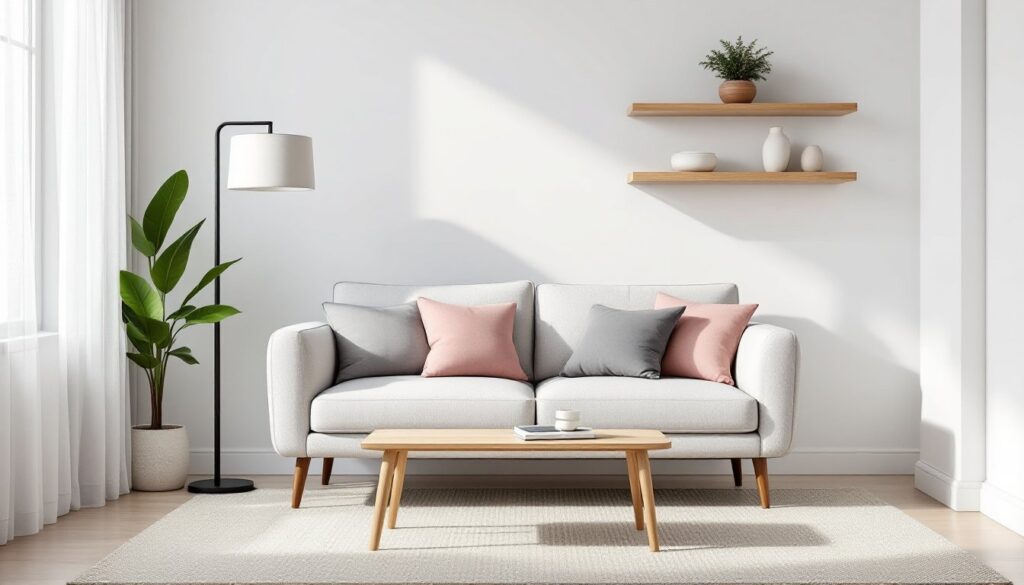
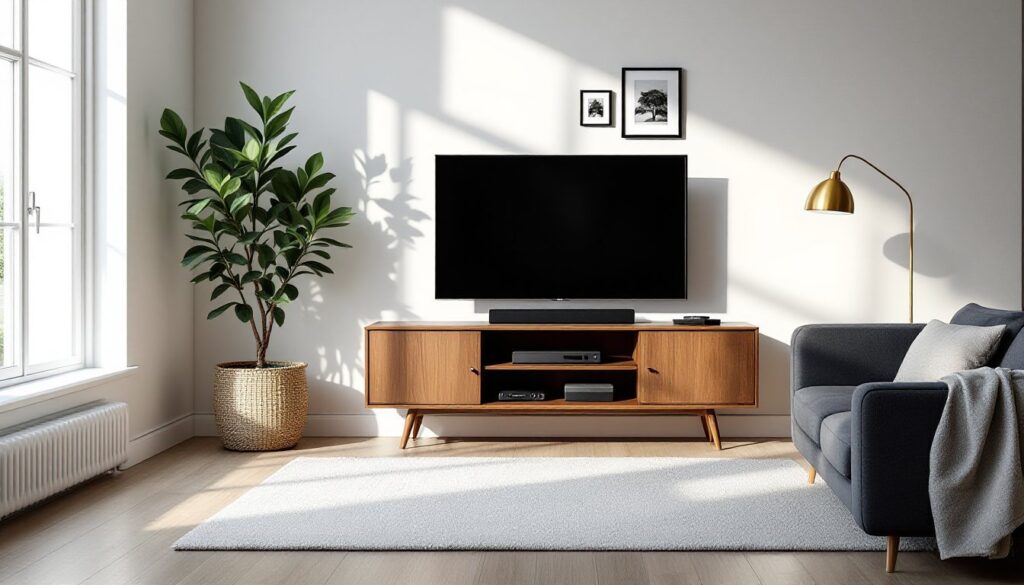
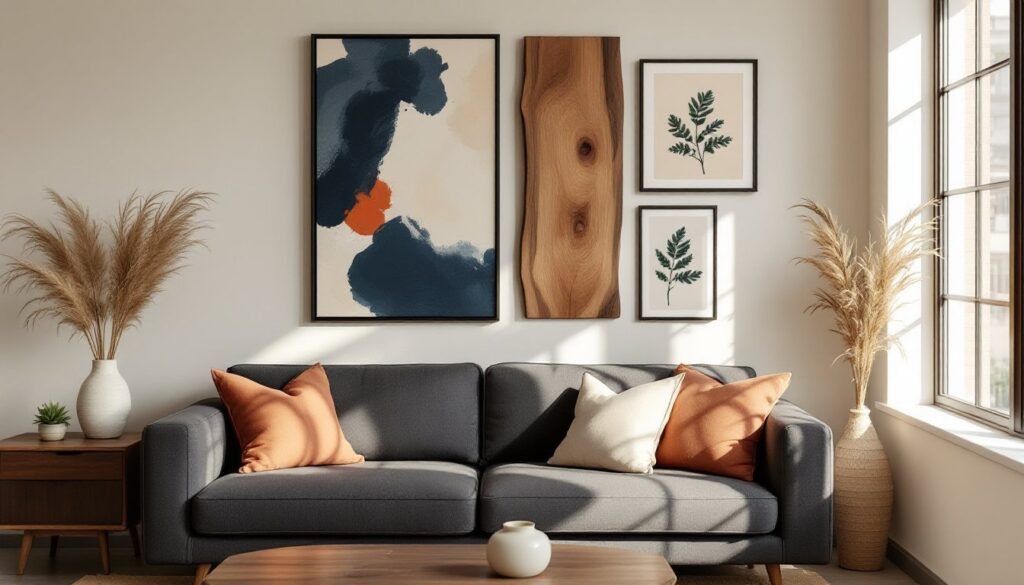
Curtains do more than block glare and offer privacy, they anchor a living room’s aesthetic and set the tone for the entire space. In 2026, modern curtain design has moved beyond simple fabric panels to embrace smart technology, sustainable materials, and bold visual statements. Whether a homeowner is working with a minimalist loft or a traditional family room, the right curtain choice can soften acoustics, control natural light, and tie together disparate design elements. This guide breaks down the six most relevant curtain trends for living rooms this year, with practical insight on installation, material selection, and when to DIY versus when to call in a pro.
Table of Contents
ToggleKey Takeaways
- Modern curtain designs for living rooms enhance both aesthetics and function, controlling light, improving thermal efficiency by up to 25%, and creating visual space without expensive renovations.
- Trendy options in 2026 include minimalist sheer curtains with ripple-fold tracks, bold geometric prints on cotton-sateen fabrics, and layered combinations that mix textures for depth and versatility.
- Sustainable materials like linen, organic cotton, and hemp blends align with eco-conscious design while adding natural texture, though they require pre-washing and careful care instructions.
- Motorized smart curtain systems with app control and voice integration are now affordable (starting around $300) and ideal for hard-to-reach or oversized windows, but require precise installation on studs or structural anchors.
- Proper installation techniques—including mounting at ceiling height for visual room expansion, measuring rod fullness at 10–15%, and confirming hardware load ratings—ensure long-lasting performance and professional results.
- Bold geometric curtain patterns work best as focal points in minimalist spaces; pair with neutral surrounding elements to avoid visual chaos and maintain modern cohesion.
Why Modern Curtain Designs Matter in Living Room Decor
Curtains are often an afterthought in renovation budgets, but they influence thermal efficiency, sound absorption, and perceived room height. Poorly chosen window treatments can make ceilings feel lower, clash with wall colors, or let in excessive UV light that fades upholstery and flooring.
From a functional standpoint, curtains offer adjustable light control that blinds and shutters can’t match, sheer panels diffuse harsh afternoon sun, while blackout-lined drapes support home theater setups or daytime sleep schedules for shift workers. Thermally, a quality curtain with a proper lining can reduce heat loss by up to 25% in winter, according to U.S. Department of Energy thermal envelope studies.
Aesthetically, curtains add a vertical element that draws the eye upward, especially when mounted at ceiling height on a wall-to-wall track rather than directly above the window trim. This trick visually expands the room, critical in homes with standard eight-foot ceilings.
Budget-wise, curtains are one of the highest-impact, lowest-cost swaps in interior design. A $200 set of well-tailored panels can refresh a dated room faster than repainting or new furniture, and installation usually takes under an hour with a drill, level, and the right hardware.
Minimalist Sheer Curtains for Airy Elegance
Sheer curtains remain a staple in modern living rooms, especially those with south- or west-facing windows where soft, diffused light is the goal. Unlike heavy drapes, sheer polyester or linen-blend panels filter UV rays while maintaining a view and preserving privacy during daylight hours.
In 2026, the trend leans toward floor-to-ceiling ripple-fold tracks rather than traditional rod pockets or grommets. Ripple-fold hardware creates uniform, cascading waves that stack neatly when drawn, maximizing glass exposure. Tracks typically mount to the ceiling or a fascia board, and installation requires measuring the exact window width plus 10–15% fullness for proper draping. A two-person install is recommended for tracks over eight feet to ensure alignment.
For DIYers, lightweight sheer panels are forgiving, polyester voile won’t wrinkle in transit and can be hemmed with fabric tape and an iron if the drop is off by an inch or two. Look for fabrics with a thread count above 200 for better durability and light diffusion without sheerness that feels cheap.
Color-wise, warm whites and soft grays dominate, but subtle blush, sage, and champagne tones are gaining traction in living rooms with neutral or Scandinavian palettes. Avoid pure white sheers in rooms with cool LED lighting: they can read as stark or clinical rather than airy.
Bold Geometric Patterns and Abstract Prints
After years of solid neutrals, geometric and abstract curtain prints are making a strong comeback in 2026, particularly in mid-century modern and contemporary living rooms. Think oversized chevrons, asymmetrical blocks, or brushstroke-inspired prints that add visual interest without the busyness of traditional florals.
These patterns work best as a focal point, if the sofa, rug, and wall art are already competing for attention, bold curtains will tip the room into chaos. Conversely, in a minimalist space with a monochrome palette, a pair of large-scale graphic panels can serve as functional art.
Material choice matters here. Cotton sateen or cotton-linen blends hold printed patterns with sharper definition than synthetic weaves, and they drape with more body, which prevents the fabric from looking limp or wrinkled. For blackout needs, opt for a bonded-foam lining rather than a separate blackout layer: it maintains the pattern visibility from inside while blocking external light.
Installation is standard: 1½-inch diameter rods handle the weight of medium-weight cotton panels without sagging. Mount brackets at least four inches beyond the window frame on each side so the curtains can stack off the glass when open. If the pattern includes horizontal lines, confirm the fabric is printed on-grain, misaligned prints will be obvious when hung and can’t be corrected after the fact.
Avoid matching patterns too literally with other textiles in the room. If the curtains feature a bold geometric, let them stand alone: a coordinating throw pillow in the same print reads as matchy rather than modern.
Layered Curtains for Depth and Versatility
Layering is the most versatile curtain strategy for living rooms that need to shift between daytime brightness and evening privacy or light control. The classic combination pairs sheer underlayers with heavier outer drapes, allowing homeowners to adjust for time of day, season, or activity, open the outer layer for soft daylight, close both for blackout during movie nights.
In 2026, the aesthetic has evolved beyond matching sets. Mixing textures, like a gauzy linen sheer under a heavyweight velvet or textured bouclé outer panel, adds tactile depth. Color layering is also trending: a neutral outer drape over a subtle contrasting sheer (charcoal over ivory, navy over blush) creates dimension without pattern overload.
Hardware for layered setups requires planning. Double curtain rods are the simplest DIY solution: the back rod holds the sheer, the front rod the outer drape. Ensure the back rod sits at least 2–3 inches behind the front to prevent fabric from catching when drawn. For ceiling-mounted tracks, look for dual-channel systems that let both layers glide independently.
One common mistake: using two heavy fabrics. The inner layer should always be lightweight and translucent, otherwise, the layering effect is lost and the setup just looks bulky. Also, measure the rod or track length carefully: stacking four layers of fabric (two sheers, two drapes) requires more clearance width than a single-layer treatment.
Layered curtains do add weight, so confirm that drywall anchors or stud-mounted brackets can handle the combined load. A pair of floor-length velvet drapes can weigh 8–12 pounds, and adding sheers increases the total. Toggle anchors rated for 50+ pounds are a safe choice in drywall if studs aren’t accessible.
Natural Textures and Sustainable Fabrics
Sustainability and biophilic design continue to influence window treatment choices. Linen, organic cotton, hemp blends, and jute-weave curtains bring natural texture into the living room while supporting eco-conscious sourcing. These fabrics also align visually with the resurgence of warm wood tones, rattan furniture, and earthy color palettes prevalent in modern design inspiration.
Linen is the standout in this category, it drapes with relaxed elegance, softens with each wash, and holds dye in rich, saturated tones. Expect some wrinkling: that’s part of linen’s charm, but it won’t suit every aesthetic. For a crisper look, linen-cotton blends (usually 55/45 linen to cotton) reduce wrinkles while keeping the natural texture.
Hemp curtains are less common but increasingly available. Hemp fiber is stronger and more mold-resistant than cotton, making it a smart choice for humid climates or homes near coastlines. The texture is coarser, closer to burlap, so it works best in casual, rustic, or industrial-leaning interiors.
From a practical standpoint, natural fabrics require more care than synthetics. Most are machine-washable on gentle cycles, but they may shrink 2–4% on the first wash. Pre-washing fabric before hemming is essential if custom-making panels, or order ready-made curtains 2–3 inches longer than the final desired drop.
Sustainable certifications to look for include GOTS (Global Organic Textile Standard) for organic fibers and OEKO-TEX Standard 100 for low chemical content. These aren’t just marketing, they confirm the fabric hasn’t been treated with formaldehyde-based finishes or heavy-metal dyes, which is particularly relevant for homes with young children or respiratory sensitivities.
One challenge: natural fabrics often lack inherent blackout properties. If light control is critical, add a separate cotton or bamboo-blend blackout liner rather than a synthetic foam layer. The liner can be attached with drapery clips or sewn in, and it won’t compromise the eco-friendly intent.
Smart Curtains and Motorized Solutions
Motorized curtain tracks and smart-home-integrated window treatments have moved from luxury novelty to accessible upgrade in 2026. Prices have dropped significantly, basic motorized tracks start around $300 for an eight-foot span, and battery-powered options eliminate the need for hardwiring or an electrician.
The appeal is practical: scheduled opening and closing for energy efficiency, remote operation for hard-to-reach windows, and integration with voice assistants or home automation systems. For living rooms with floor-to-ceiling glass or multi-story windows, motorization is often the only realistic option.
Most systems use low-voltage DC motors mounted inside the curtain track, powered by plug-in adapters or rechargeable battery packs. Battery life varies (expect 4–12 months depending on daily cycles), and charging is typically via USB-C. Smart features, app control, scheduling, scene integration, usually require a Wi-Fi bridge or hub, which adds $50–$100 to the setup cost.
Installation is more involved than standard rods. Ceiling or wall mounting requires precise alignment and solid blocking or studs to support the motor housing and track weight. If mounting to drywall, use structural anchors rated for dynamic loads, as the motor introduces lateral movement. Many places to buy curtains now offer measure-and-install services for motorized systems, and it’s worth considering if the window spans over ten feet or requires a ladder.
Compatibility is key, not all motors work with all track types or curtain weights. Check the motor’s maximum load rating (typically 20–35 pounds for residential tracks) and confirm it matches the combined weight of the fabric panels. Heavyweight velvets or multi-layer setups may exceed motor limits and cause premature failure.
For DIYers comfortable with basic wiring and leveling, motorized tracks are manageable, but expect a half-day install for a single window and have a second person available to hold the track during mounting. If integrating with a whole-home automation system (Control4, Lutron, or similar), hiring a certified installer ensures warranty coverage and proper programming.
Conclusion
Curtain design in 2026 balances form, function, and sustainability. Whether opting for minimalist sheers, bold patterns, layered textures, natural fibers, or smart automation, the key is matching the treatment to the living room’s specific needs, light control, thermal performance, aesthetic cohesion, and ease of use. Measure twice, confirm hardware load ratings, and don’t skip the details like proper fullness or ceiling-height mounting. With the right approach, a curtain refresh delivers immediate visual impact and long-term livability.