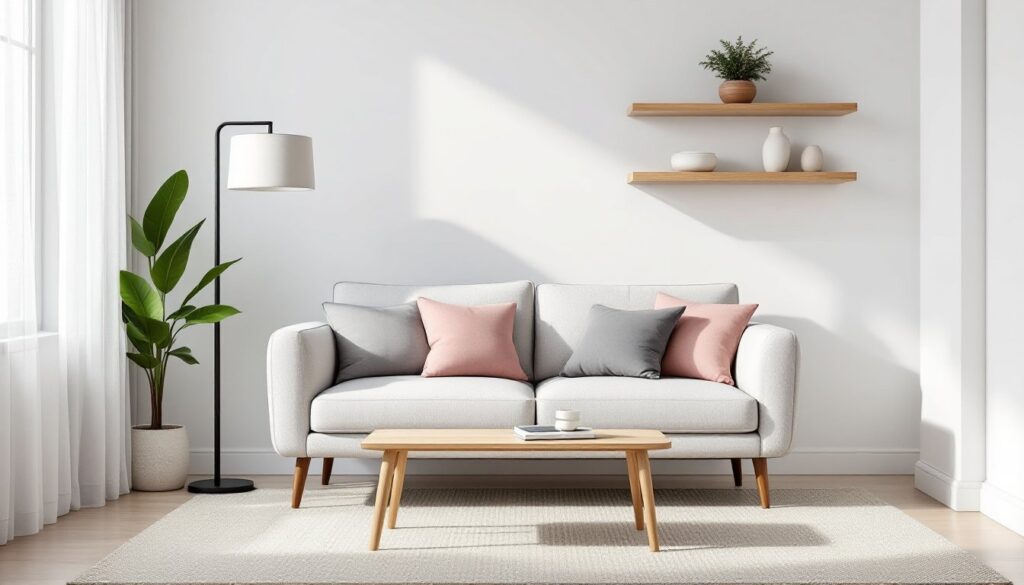
Curtains aren’t just window dressing, they’re spatial problem-solvers, especially in small living rooms where every square foot counts. The right fabric, mounting height, and color choice can trick the eye into seeing more space than actually exists. This guide walks through proven curtain strategies that add height, light, and visual depth without overwhelming compact spaces. No fluff, just practical ideas backed by design principles that work whether you’re renting a 300-square-foot studio or remodeling a cozy ranch-style living room.
Table of Contents
ToggleKey Takeaways
- Mount small living room curtain rods 4–6 inches below the ceiling with floor-to-ceiling panels to elongate walls and create the illusion of greater height.
- Light, sheer fabrics like linen voile and cotton gauze keep small spaces feeling bright and open while maintaining daytime privacy without overwhelming compact areas.
- Neutral and cool-toned colors combined with vertical stripes maximize visual space, while heavy fabrics and warm colors can make small rooms feel cramped and cave-like.
- Layering sheers with thermal liners or blackout drapes on a double rod provides flexible light control and insulation without adding visual bulk to tight quarters.
- Extend curtain rods 8–12 inches beyond the window frame to let panels stack off the glass, making windows appear wider and maximizing natural daylight exposure.
- Invest in proper heavy-duty mounting hardware and professional hemming ($10–$20 per pair) to ensure floor-length small living room curtain ideas are securely installed and perfectly tailored.
Why Curtains Matter in Small Living Rooms
In tight quarters, curtains do triple duty: they control natural light, provide privacy, and manipulate perceived room dimensions. A poorly chosen curtain, say, heavy blackout panels in a dark pattern, can make a 10×12-foot room feel like a cave. Conversely, the right treatment draws the eye upward, reflects ambient light, and softens hard architectural lines.
Light control is critical. Small rooms often rely on limited window area, so blocking too much daylight shrinks the space visually. Yet bare windows feel unfinished and offer zero privacy after dark. The solution lies in fabric weight and opacity, more on that shortly.
Visual proportion matters more in compact spaces. Standard 63-inch or 84-inch curtain panels hung at window-frame height emphasize the room’s actual (small) scale. Mounting hardware higher and choosing longer panels creates vertical lines that pull attention upward, making ceilings feel taller. This isn’t decorating theory, it’s optical geometry that works in any room under 200 square feet.
Finally, curtains add texture and warmth without eating floor space. A sofa, coffee table, and rug already crowd a small living room. Curtains contribute style and coziness from vertical real estate that would otherwise go unused.
Light and Airy Fabrics That Open Up Your Space
Sheer and semi-sheer fabrics are the workhorse for small living rooms. Linen voile, cotton gauze, and lightweight polyester blends diffuse daylight instead of blocking it, keeping the room bright while softening harsh sun. A typical sheer panel weighs around 3–5 ounces per square yard, compared to 10–15 ounces for blackout fabric, that lighter hand translates to a floatier appearance.
Look for fabrics with a loose weave or open-knit structure. They let natural light filter through while obscuring the view from outside during daylight hours. After dark, you’ll need interior lighting or a privacy liner, but the daytime effect is worth it. Many interior design trends favor natural fibers like linen and cotton, which wrinkle easily but add organic texture that feels less formal than synthetics.
Avoid heavy velvets, thick brocades, or densely woven drapes unless the room has abundant natural light and high ceilings. These fabrics absorb light and visually anchor the window, drawing attention to the frame’s modest size. In a small room, they can feel like stage curtains closing in.
If privacy or light blocking is non-negotiable, say, for street-facing windows or late sleepers, pair sheers with a separate roller shade or cellular blind mounted inside the window frame. During the day, sheers hang alone: at night, drop the shade. This layered approach (covered in detail later) gives flexibility without permanent darkness.
Floor-to-Ceiling Curtains for the Illusion of Height
Mounting curtain rods 4 to 6 inches below the ceiling instead of at the window trim is the single most effective spatial trick for small rooms. It elongates the wall, making standard 8-foot ceilings look closer to 9 feet. Pair that high mount with panels that just kiss the floor or puddle slightly (½ inch to 1 inch), never stop at the windowsill.
Measure from your planned rod height to the floor, then add 1–2 inches to account for ring clips or rod pockets. Standard panel lengths, 84, 96, 108, and 120 inches, may not align perfectly, so budget for hemming or buy extra-long curtains and have them tailored. A local tailor or dry cleaner can hem panels for $10–$20 per pair: it’s worth the expense for a custom fit.
Rod placement requires hitting wall studs or using heavy-duty drywall anchors rated for at least 20 pounds per bracket. Studs are typically spaced 16 inches on center in modern framing (sometimes 24 inches in older construction). Use a stud finder, drill pilot holes, and mount brackets with #8 or #10 wood screws at least 1½ inches long. If studs don’t align with your window center, toggle bolts or molly bolts work in ½-inch drywall, but confirm the bracket’s screw hole diameter matches the anchor.
Extend the rod 8 to 12 inches beyond each side of the window frame when space allows. This lets curtains stack off the glass when open, maximizing daylight and making the window appear wider. In a 10-foot-wide room with a 36-inch window, a 60-inch rod centered on the window gives clearance without encroaching on corner furniture.
Choosing the Right Colors and Patterns
Neutral and light tones, whites, creams, soft grays, pale blues, reflect ambient light and recede visually, which helps walls feel farther apart. This doesn’t mean the room must be bland: texture (linen weave, subtle stripes, tone-on-tone jacquard) adds interest without pattern chaos.
If color is non-negotiable, choose cool hues over warm ones. Soft sage, powder blue, and lavender create the illusion of distance, while warm reds, oranges, and deep browns advance toward the eye. That said, a single accent wall or bold cushion can anchor warm tones elsewhere, just keep large vertical surfaces (curtains, walls) cooler.
Vertical stripes are the classic space-expander. A ½-inch to 1-inch pinstripe in a tonal palette (say, white and off-white) draws the eye up without reading as busy. Avoid horizontal stripes, large florals, or dense geometric prints: they break up the wall into smaller chunks, emphasizing the room’s actual dimensions.
Some designers recommend matching curtain color to wall color for a seamless, boundary-blurring effect. This works best in minimalist schemes where furniture and art provide contrast. If walls are already bold or patterned, neutral curtains prevent visual overload.
Many home decor inspiration galleries showcase monochromatic palettes that use varying shades of a single color, this approach simplifies decision-making and creates cohesion in small spaces.
Space-Saving Curtain Hardware and Mounting Tips
Standard curtain rods (¾-inch to 1⅜-inch diameter) work fine, but in ultra-tight spaces, consider ceiling-mounted track systems. These sit flush against the ceiling, eliminating the visual bulk of a rod and finials. Tracks typically install with brackets every 18–24 inches into ceiling joists (usually running perpendicular to the window wall). For drywall ceilings without joist access, use toggle bolts rated for 50 pounds per anchor point.
If you prefer a traditional rod, slim profiles (¾-inch diameter) and simple finials keep hardware understated. Skip ornate scrollwork or oversized end caps, they draw attention to the mechanics rather than the fabric.
Motorized or cord-operated traverse rods are worth considering if the room doubles as a media space. They let you open and close curtains without reaching behind furniture, which matters when a sofa sits tight against the window wall. Budget $150–$300 for a quality motorized system: manual traverse rods start around $40.
For layered treatments (sheers plus drapes), a double curtain rod mounts both panels on a single bracket assembly. The front rod typically sits 2–3 inches forward of the back rod. Make sure brackets are rated for combined fabric weight, two sets of floor-length panels can exceed 10 pounds.
Mounting in rental units: If drilling into walls isn’t allowed, tension rods work for lightweight sheers up to 84 inches. For heavier panels or longer spans, look for Command-brand or adhesive-backed brackets rated for 3–5 pounds per hook: they won’t support thick drapes, but they handle linen or cotton blends in shorter lengths.
Layering Curtains for Functionality and Depth
Layering sheer panels with heavier drapes gives flexibility: sheers filter daylight and provide daytime privacy, while outer drapes block light and insulate at night. In small rooms, this combination adds depth without clutter, provided fabrics stay in the same tonal family.
Mount both layers on a double rod or use clip rings on the front rod so panels slide independently. The back (sheer) layer stays stationary or opens with the outer drapes, depending on privacy needs. This setup shines in rooms where window orientation causes harsh morning or afternoon sun, close the outer drapes for a few hours, then open them to reveal sheers.
Thermal or blackout liners attach to the back of decorative panels via sewn-in loops or clip rings. They add insulation (valuable in older homes with single-pane windows) and room-darkening capability without doubling fabric costs. A quilted thermal liner can reduce heat loss by 25% in winter, per Department of Energy testing, though exact savings depend on window size and local climate.
For a more tailored look, have a workroom or tailor sew liners directly into curtain panels. This creates a single, weighted panel that hangs straighter than clipped-on layers. Cost runs $15–$30 per panel for DIY sewing or $40–$60 through a professional.
Many small space living ideas feature layered window treatments that balance privacy, light control, and visual interest, especially useful in studio apartments where the living room also serves as a bedroom.
Conclusion
Small living rooms demand curtains that earn their keep, lifting sight lines, bouncing light, and adding texture without bulk. Mounting rods high, choosing airy fabrics, and sticking to vertical lines or neutral tones turns windows into assets rather than spatial liabilities. Measure twice, invest in proper hardware, and don’t shy away from floor-length panels just because the room is compact. The result is a space that feels intentionally designed, not accidentally cramped.