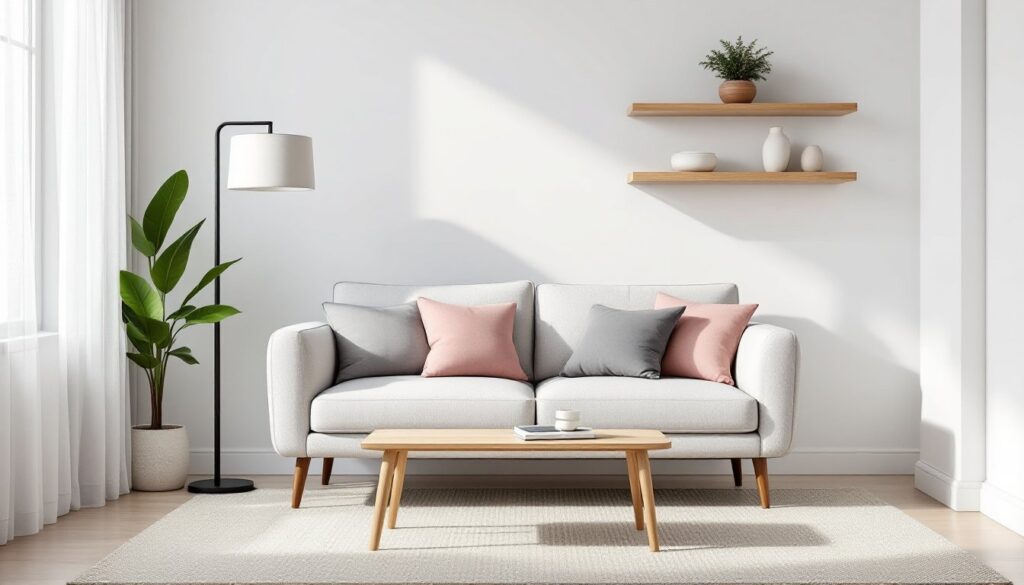
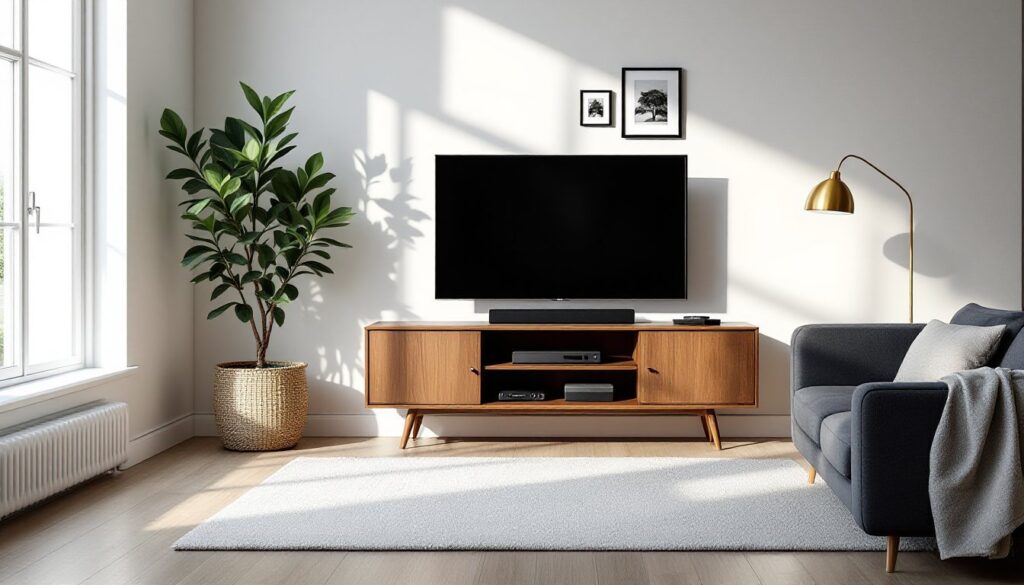
Combining a kitchen and living room into one cohesive space is no longer just a trend, it’s a practical solution for modern small-footprint homes, condos, and urban apartments. Whether the homeowner is working with 400 or 900 square feet, an open-concept combo requires strategic design choices to avoid feeling cramped or chaotic. The challenge isn’t just fitting everything in: it’s creating distinct zones for cooking, dining, and relaxing without walls or physical barriers. Done right, a kitchen living room combo can feel spacious, functional, and surprisingly comfortable.
Table of Contents
ToggleKey Takeaways
- A small kitchen living room combo maximizes usable square footage by eliminating walls and hallways, creating a sense of spaciousness while improving daily flow and sightlines.
- Define distinct zones without adding walls by strategically placing furniture, using area rugs, installing open shelving, or creating subtle ceiling and flooring transitions.
- Light, reflective surfaces, monochromatic color palettes, and vertical design elements make a kitchen living room combo feel larger and more open.
- Implement smart storage solutions like floating shelves, multi-functional furniture, pegboards, and cabinet organizers to keep the combined space clutter-free and visually calm.
- Use layered lighting with recessed LEDs, task lights, and ambient fixtures, paired with dimmer switches, to adjust mood and functionality throughout the day.
- Open-concept kitchens appeal to homebuyers and adapt to different lifestyles, but require effective ventilation and design strategies to manage cooking odors and appliance noise.
Why Open-Concept Kitchen Living Room Combos Are Perfect for Small Homes
Open-concept layouts maximize usable square footage by eliminating hallways and unnecessary partitions. In homes under 1,000 square feet, every linear foot counts, walls take up space and block natural light, making rooms feel smaller than they are.
A combined kitchen and living room also improves flow during daily activities. Someone cooking dinner can supervise kids doing assignments on the couch, or chat with guests without being isolated behind a wall. Sightlines stay open, which creates a psychological sense of spaciousness even when the actual footprint is tight.
From a resale perspective, open layouts appeal to buyers looking for flexibility. According to data on home design trends, homes with open kitchens see faster buyer interest in competitive markets. The layout adapts to different lifestyles, renters, young couples, or downsizing retirees, without requiring structural changes.
That said, combining two high-use areas does introduce challenges: cooking smells, visual clutter from the kitchen, and noise from appliances can spill into the living space. Effective zoning and ventilation planning address these issues without sacrificing the benefits of the open plan.
Smart Layout Strategies for Kitchen Living Room Combos
The key to a functional combo space is establishing distinct zones without adding walls. Layout choices should guide movement, define activity areas, and maintain a clear visual hierarchy between cooking and lounging.
Using Furniture Placement to Define Zones
Furniture acts as architectural elements when positioned intentionally. A sofa or sectional placed perpendicular to the kitchen, with its back facing the cooking area, creates an implied boundary. This setup works especially well in rectangular spaces where the kitchen occupies one short wall.
In galley or L-shaped kitchen layouts, a narrow console table or low bookshelf (around 30–36 inches tall) behind the sofa adds a physical buffer without blocking sightlines. The surface doubles as storage for cookbooks, mail, or decorative items.
Kitchen islands or peninsulas anchor the cooking zone and provide a natural transition point. A peninsula with seating on the living room side invites interaction while keeping the work triangle (sink, stove, fridge) contained. Standard countertop height is 36 inches, but some homeowners opt for a two-tier island with a 42-inch bar-height section facing the living area, which visually separates prep space from social space.
Consider traffic patterns when arranging furniture. The “work triangle” rule, keeping the path between sink, stove, and refrigerator under 26 feet total, still applies, and nothing should block this flow. Similarly, leave at least 30–36 inches of clearance around furniture to avoid a cramped maze.
Rug placement reinforces zones too. A large area rug (8×10 or larger) under the sofa and coffee table anchors the living area, signaling a shift from hard kitchen flooring to a softer, more relaxed zone.
Creating Visual Separation Without Walls
When furniture alone isn’t enough, lightweight dividers and design elements add definition. Open shelving units (think ladder-style or metal frame bookcases) provide storage while letting light pass through. Position one perpendicular to the kitchen to screen the cooking zone without closing it off entirely.
Ceiling treatments subtly mark boundaries. A change in ceiling height, like a dropped soffit over the kitchen with recessed lighting, signals a new zone. If renovation isn’t in the budget, paint the kitchen ceiling a contrasting shade or install a different light fixture style (pendant lights over the island, a ceiling fan in the living area).
Flooring transitions work when materials align with function. Durable tile or luxury vinyl plank (LVP) in the kitchen transitions to engineered hardwood or laminate in the living area. Keep the color palette cohesive to avoid chopping up the visual flow, but the material change creates a tactile and visual cue.
Expert designers often use half-walls or pony walls (around 42 inches tall) topped with open shelving or glass panels. These preserve openness while hiding dirty dishes or clutter. If structural work is on the table, consult a contractor to confirm no load-bearing concerns, removing or adding walls in condos or multi-family buildings often requires permits and engineering review.
Color blocking on walls provides separation too. Paint the kitchen wall (or backsplash wall) in a bold accent color or darker tone, while keeping the living area neutral. This draws the eye and establishes a boundary without adding physical mass.
Color Schemes and Design Tricks That Make Small Spaces Feel Larger
Color and finish choices have a measurable impact on perceived space. Light, reflective surfaces bounce natural and artificial light, making walls recede visually.
Monochromatic or analogous palettes unify the space. Walls, trim, and ceilings in shades of white, light gray, or warm beige create a seamless backdrop. Reserve bold color for accents, throw pillows, artwork, or a single accent wall, rather than fragmenting the space with multiple competing hues.
Matte vs. satin finishes matter. In kitchens, satin or semi-gloss paint (like Sherwin-Williams Duration or Benjamin Moore Aura) tolerates scrubbing and resists moisture. In the living area, eggshell or matte finishes soften the look. Using the same color in different sheens maintains continuity while meeting functional needs.
Reflective materials amplify light. Glossy subway tile backsplashes, mirrored or glass cabinet doors, and metallic hardware catch and redirect light. A large mirror mounted opposite a window in the living area can nearly double perceived brightness.
Vertical lines draw the eye up, making ceilings feel higher. Floor-to-ceiling cabinetry, tall bookshelves, or vertical shiplap paneling add height. Paint vertical stripes (subtle tone-on-tone works best) or install wainscoting that extends higher than the standard 32-inch chair rail.
Professionals on small kitchen design forums often recommend limiting upper cabinets or replacing them with open shelving to reduce visual weight. If storage is critical, use frameless (European-style) cabinets in a light finish, white, light oak, or pale gray, to keep the kitchen from feeling heavy.
Consistent flooring throughout the combo space creates flow. If using a transition (tile to wood), align the change with a natural boundary like the edge of the island rather than a random line mid-room.
Lighting layering is essential. Combine recessed LED downlights (5–6 inch cans spaced about 4–6 feet apart), under-cabinet task lighting in the kitchen, and ambient floor or table lamps in the living area. Dimmer switches let occupants adjust mood and function throughout the day.
Storage Solutions to Keep Your Combo Space Clutter-Free
In a shared kitchen-living zone, clutter is highly visible. Smart storage hides everyday chaos and keeps surfaces clear.
Vertical storage maximizes wall space. Install floating shelves above the sofa or along hallway walls for books and décor. In the kitchen, pegboard or slatwall systems hold pots, utensils, and cutting boards within reach but off counters. IKEA’s SKÅDIS and custom pegboard setups are popular DIY-friendly options.
Multi-functional furniture earns its footprint. Ottoman coffee tables with internal storage, sofas with hidden compartments, and nesting side tables adapt to changing needs. In the kitchen, a rolling cart (like the IKEA RÅSKOG) provides portable prep space and storage, roll it out when cooking, tuck it away when done.
Cabinet organizers prevent kitchen chaos from spilling over. Pull-out drawer inserts, lazy Susans, and tiered shelf risers double usable space inside base cabinets. Toe-kick drawers (installed in the 4-inch gap under base cabinets) are often overlooked but hold flat items like baking sheets or placemats.
For small living areas, wall-mounted drop-leaf tables or fold-down desks provide surface area on demand without a permanent footprint. When not in use, they disappear against the wall.
Hooks and rails installed on the sides of cabinets, inside pantry doors, or along entryway walls hold bags, keys, dish towels, and coats, keeping them accessible but out of sight. Keep hardware consistent (brushed nickel, matte black, or brass) to tie the look together.
Many apartment living guides recommend the one-in, one-out rule: for every new item brought into a small combo space, something else leaves. This habit prevents gradual clutter creep, especially in kitchens where gadgets and cookware accumulate quickly.
Conclusion
A small kitchen living room combo doesn’t have to feel cramped or chaotic. With intentional layout choices, smart color and lighting strategies, and dedicated storage solutions, the space can function as both a comfortable living area and an efficient kitchen. Focus on defining zones through furniture and materials, keep surfaces light and reflective, and build in storage wherever possible. The result is a cohesive, livable space that maximizes every square foot.